Senior Hydration 101: Simple Ways to Drink More Water in Birmingham, AL
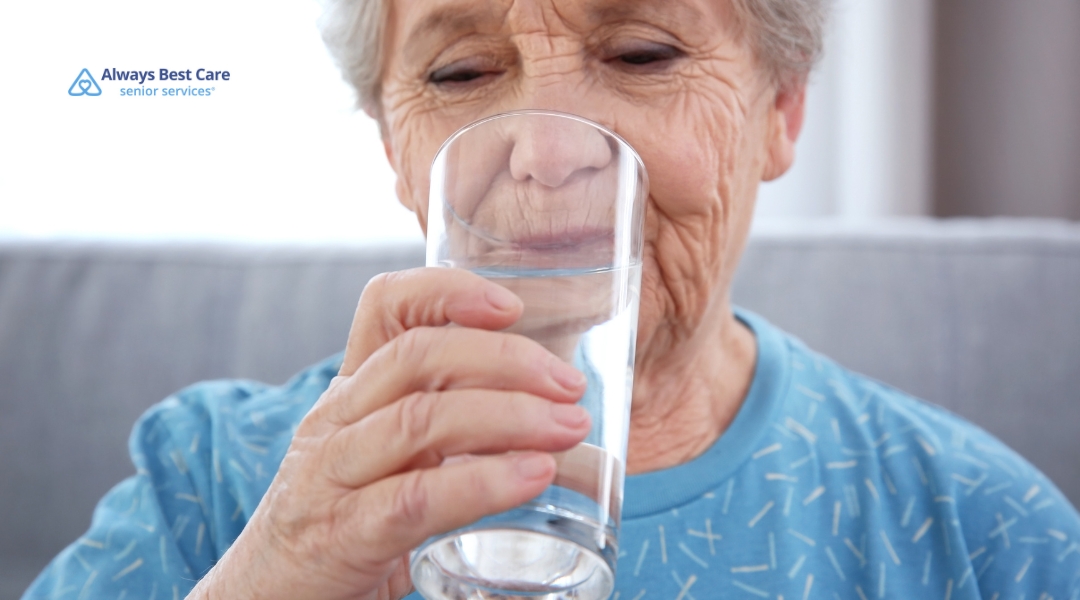
Thirst is something most of us take for granted. You feel it, you drink something, and the problem is solved. But for older adults, that simple feedback loop becomes less dependable with age — and the consequences can be serious.
Dehydration is one of the most common yet preventable health issues among seniors. Understanding why it happens, what it looks like, and how to address it can make a meaningful difference in an older adult’s quality of life.
Table of Contents
What Readers Will Learn
- Why thirst may become a less dependable signal as people age.
- Common signs that may suggest an older adult needs more fluids.
- Easy ways to build hydration into a senior’s daily routine.
- How hydrating foods and caregiver support can help seniors stay comfortable and well at home.
The Aging Body and the Disappearing Thirst Signal
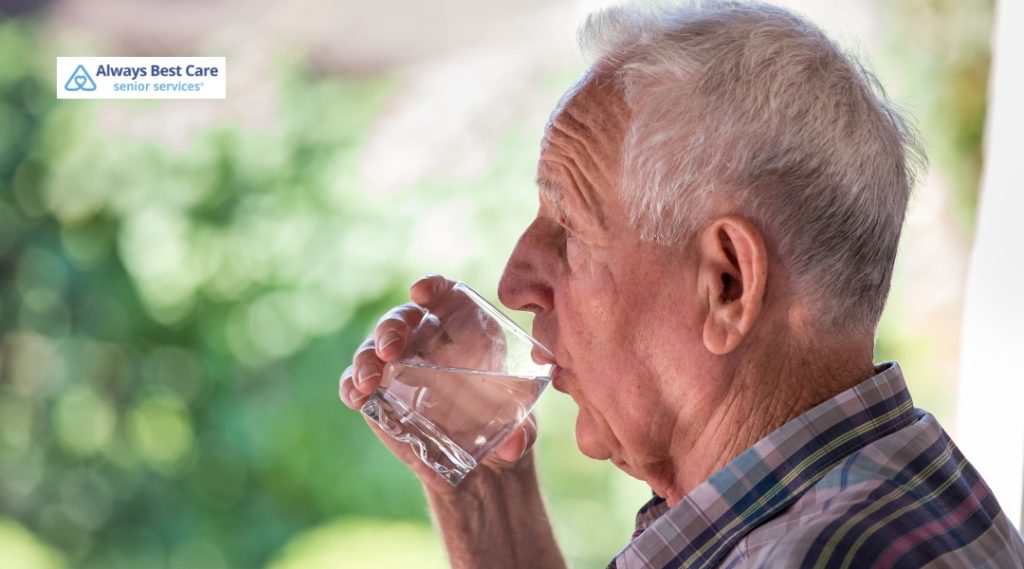
The human body is roughly 60% water, and it works hard to maintain that balance. When fluid levels drop, the brain is supposed to trigger a thirst response. In younger adults, this system works well. In older adults, it doesn’t.
Research shows that the thirst mechanism becomes significantly less sensitive with age. The brain’s response to fluid loss slows down, meaning seniors may already be mildly dehydrated by the time they feel any urge to drink — if they feel it at all.
Several other factors compound the problem:
- Reduced kidney efficiency — Aging kidneys are less effective at conserving water, leading to greater fluid loss.
- Medications — Diuretics, antihistamines, and certain blood pressure medications can increase fluid loss or suppress thirst.
- Mobility limitations — When getting up to pour a glass of water feels like an effort, it’s easy to put it off.
- Bathroom concerns — Some seniors intentionally limit fluid intake to avoid frequent or urgent trips to the bathroom.
- Chronic conditions — Diabetes, kidney disease, and other conditions can affect fluid balance and thirst perception.
Because these changes are gradual, many seniors don’t realize they’re consistently under-hydrated until symptoms appear.

What Dehydration Actually Does to the Body
Dehydration isn’t just about feeling thirsty or having a dry mouth. Even mild fluid loss — as little as 1–2% of body weight — can affect how the body and mind function.
Physical effects include:
- Fatigue and low energy
- Headaches
- Constipation
- Dizziness, especially when standing
- Low blood pressure
- Increased fall risk
- Urinary tract infections
Cognitive effects include:
- Difficulty concentrating
- Memory lapses
- Confusion or disorientation
For older adults, these symptoms can be mistaken for signs of aging or other conditions, which is why dehydration often goes unaddressed. Severe cases can lead to hospitalization, kidney complications, and in vulnerable individuals, life-threatening outcomes.

Warning Signs Families and Caregivers Should Know
Because seniors may not recognize or report dehydration symptoms, family members and caregivers play a critical role in catching it early.
Watch for:
- Dark yellow or amber-colored urine
- Dry or sticky mouth and cracked lips
- Dry, less elastic skin
- Sudden confusion or increased forgetfulness
- Unusual fatigue or weakness
- Decreased urination
- Loss of appetite
A simple at-home check: gently pinch the skin on the back of the hand. If it doesn’t spring back quickly, that can be a sign of dehydration. When symptoms appear suddenly or worsen, contact a healthcare provider promptly.
Building a Hydration Routine That Actually Works
Since thirst is no longer a reliable guide, the most effective strategy is to make hydration a scheduled habit — not something that happens only when seniors feel like it.
Practical approaches include:
- Drinking a full glass of water first thing in the morning
- Pairing fluid intake with meals and snacks as a consistent cue
- Keeping a water bottle or glass visible and within easy reach at all times
- Setting phone or watch reminders to drink every 1–2 hours
- Drinking a glass of water before going outside or engaging in any physical activity
- Sipping steadily throughout the day rather than trying to catch up all at once
Small, consistent habits are far more effective than occasional large amounts of fluid.

Hydration Goes Beyond Water
Plain water is ideal, but it’s not the only way to stay hydrated. Many foods and beverages contribute meaningfully to daily fluid intake — which is helpful for seniors who struggle to drink enough water on its own.
Hydrating foods:
- Watermelon, cucumbers, strawberries, and oranges
- Lettuce and other leafy greens
- Yogurt
- Broth-based soups
Hydrating beverages:
- Herbal teas (hot or iced)
- Low-fat milk
- Diluted fruit juice
- Sparkling water (for those who prefer some variety)
Caffeinated drinks like coffee and tea do count toward fluid intake, though they should be consumed in moderation. Alcohol, on the other hand, is dehydrating and should not be relied on for hydration.

How Caregivers Can Make a Real Difference
For seniors who live alone or manage multiple health conditions, staying consistently hydrated can be genuinely difficult. Caregivers — whether family members or professional home care aides — can provide the structure and encouragement that makes a difference.
Caregivers can help by:
- Proactively offering water and other beverages throughout the day
- Incorporating hydrating foods into meals and snacks
- Monitoring urine color and other early warning signs
- Adjusting hydration strategies during hot weather or after physical activity
- Communicating any concerns to the senior’s healthcare provider
This kind of attentive, consistent support is often what stands between a senior staying well and ending up in the emergency room.

How Always Best Care of Birmingham, AL Supports Healthy Hydration
At Always Best Care of Birmingham, AL, hydration is part of how we approach whole-person care. Our caregivers don’t just assist with tasks — they pay attention to the daily patterns that affect long-term health, including whether a senior is eating and drinking well.
From preparing nutritious, hydrating meals to offering gentle reminders throughout the day, our team helps seniors build routines that support their health and independence. We also keep family members informed, so everyone is working together toward the same goal.
Frequently Asked Questions
Q: How much water should seniors drink each day?
A: General guidance suggests around 8 cups (64 oz) of fluid per day, but individual needs vary based on body size, activity level, medications, and health conditions. A doctor can provide personalized recommendations.
Q: Can seniors drink too much water?
A: Yes. Overhydration, or hyponatremia, can occur when sodium levels in the blood become too diluted. This is less common but can be a concern for seniors with certain kidney or heart conditions. Balance is key.
Q: Are sports drinks a good option for seniors?
A: Occasionally, yes — particularly after illness or significant physical activity. However, many sports drinks are high in sugar and sodium, so they shouldn’t replace water as a daily hydration source.
Q: What’s the fastest way to rehydrate a senior who seems dehydrated?
A: Encourage small, frequent sips of water or an oral rehydration solution. If the senior is confused, unable to drink, or showing severe symptoms, seek medical attention immediately rather than attempting to manage it at home.
Q: Does coffee count toward daily fluid intake?
A: Yes, in moderation. Despite the mild diuretic effect of caffeine, research shows that moderate coffee and tea consumption still contributes to overall hydration. It shouldn’t be the primary fluid source, but it does count.

Help Your Loved One Stay Hydrated at Home
At Always Best Care of Birmingham, we help seniors maintain daily routines that support hydration, comfort, and overall well-being at home. From meal preparation and hydration reminders to companionship and day-to-day support, our caregivers help make healthy habits easier to maintain.
Contact Always Best Care of Birmingham at (205) 874-9730 to learn more and schedule your free consultation.
Link to the markdown version of this blog.