

Supporting Healthy Lungs in Seniors: Breathing Tips for Birmingham, AL

Breathing is something most of us never think about—until it becomes a daily struggle. For seniors in Birmingham, AL, respiratory health is a very real concern. Between age-related changes in lung function, Alabama’s seasonal pollen counts, and the prevalence of chronic conditions like COPD and asthma, older adults face unique challenges when it comes to keeping their airways healthy.
The encouraging news: with the right habits, environment, and support system in place, seniors can breathe easier and maintain a strong quality of life.
What You Will Learn:
- How aging affects lung function and breathing in seniors.
- How Birmingham’s environment impacts respiratory health.
- Practical ways to improve indoor air quality and daily habits.
- How caregivers support respiratory health and independence.

Table of Contents
How Aging Affects the Lungs
The lungs, like every other system in the body, change with age. Chest muscles weaken, lung tissue loses elasticity, and the airways become less efficient at moving oxygen into the bloodstream. These changes happen gradually, but their effects can be significant.
For many seniors, this natural decline is compounded by chronic conditions such as:
- Chronic Obstructive Pulmonary Disease (COPD)
- Asthma
- Pneumonia and recurring bronchitis
- Reduced lung capacity from a sedentary lifestyle
Even without a formal diagnosis, reduced lung function can quietly chip away at energy levels, sleep quality, and the ability to stay active and independent. That is why proactive respiratory care matters—not just reactive treatment.
Birmingham’s Environment and Respiratory Health
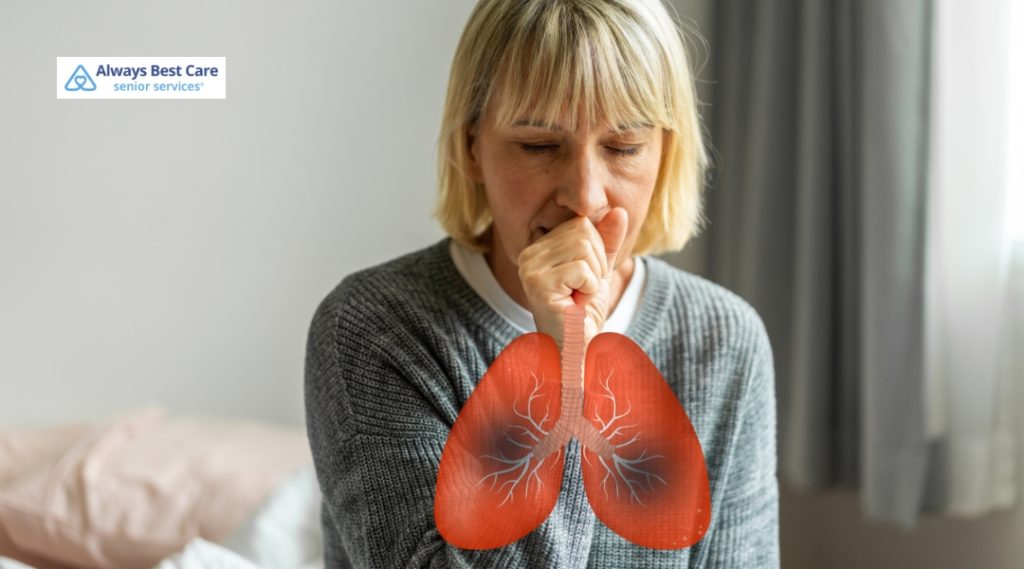
Living in Birmingham comes with specific environmental considerations. The city regularly ranks among the more challenging areas in the U.S. for allergy and asthma sufferers, with high pollen seasons in spring and fall and occasional air quality alerts during summer months.
For seniors, this means the home environment is not just a comfort issue—it is a health issue.
Practical steps to improve indoor air quality:
- Replace HVAC filters every 60–90 days, or more frequently during high-pollen seasons
- Use HEPA air purifiers in bedrooms and main living areas
- Keep windows closed on high pollen or ozone alert days
- Eliminate or minimize the use of aerosol sprays, scented candles, and harsh chemical cleaners
- Maintain indoor humidity between 30–50% to prevent mold growth and airway irritation
Small adjustments to the home can make a meaningful difference in how a senior feels day to day.

Daily Habits That Strengthen Lung Health
Respiratory health is not just about avoiding triggers—it is also about building resilience. Consistent daily habits can help seniors maintain and even improve their lung function over time.
Encourage the following routines:
- Light physical activity: Walking, gentle yoga, or chair exercises help keep the lungs working efficiently. Even 20–30 minutes of movement most days can improve respiratory endurance.
- Deep breathing exercises: Pursed-lip breathing and diaphragmatic breathing are simple techniques that expand lung capacity and reduce breathlessness.
- Hydration: Drinking enough water keeps mucus thin and airways clear, reducing the risk of congestion and infection.
- Nutrition: A diet rich in antioxidants—berries, leafy greens, and whole grains—supports lung tissue health and reduces inflammation.
- Vaccinations: Staying current on flu, pneumonia, and COVID-19 vaccines significantly reduces the risk of respiratory infections that can be dangerous for older adults.
Managing Chronic Respiratory Conditions at Home
For seniors already living with COPD, asthma, or another chronic respiratory condition, day-to-day management is essential to preventing flare-ups and hospitalizations.
Effective management includes:
- Taking all prescribed medications consistently, even when symptoms feel mild
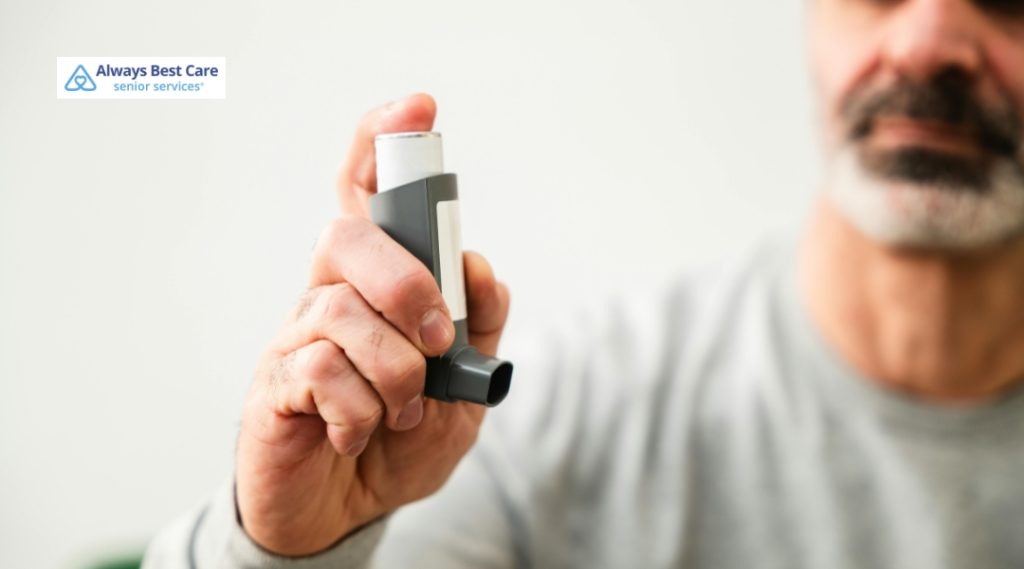
- Using inhalers with proper technique—a common issue that reduces medication effectiveness
- Keeping a simple symptom log to track changes in breathing, energy, or coughing patterns
- Scheduling regular checkups with a pulmonologist or primary care provider
- Having a clear action plan for what to do if symptoms worsen
Caregivers and family members play a critical role here. Having someone who can provide medication reminders, notice early warning signs, and coordinate with healthcare providers can prevent small issues from becoming serious ones.
Warning Signs That Need Immediate Attention
Knowing when to act quickly can be life-saving. Families and caregivers should watch for:
- Sudden or worsening shortness of breath
- Persistent wheezing or a new, productive cough
- Chest tightness or pain
- Unusual fatigue, confusion, or disorientation
- Bluish tint to the lips or fingertips (a sign of low oxygen)
If any of these symptoms appear, do not wait—seek medical care right away.

How Always Best Care of Birmingham Supports Respiratory Health
Managing respiratory health at home is manageable with the right support. Always Best Care of Birmingham provides compassionate, professional in-home care designed to help seniors living alone or those with chronic conditions stay safe and comfortable.
Our caregivers assist with:
- Medication reminders and symptom monitoring
- Light housekeeping to maintain a clean, low-allergen home
- Encouraging healthy hydration and nutritious meals
- Supporting safe, appropriate physical activity
- Companionship that reduces stress—a known contributor to breathing difficulties
- Transportation to medical appointments and follow-up visits
For seniors who need a higher level of care, home health services connect them with skilled nursing professionals who can monitor conditions and coordinate directly with their medical team.

Frequently Asked Questions About Senior Respiratory Health
Q: What is the most common respiratory condition in seniors?
COPD is the most prevalent chronic respiratory condition among older adults, followed closely by asthma. Both are manageable with proper treatment and lifestyle support.
Q: How can I tell if my loved one’s breathing has gotten worse?
Watch for increased breathlessness during activities they previously handled easily, more frequent coughing, changes in sleep patterns, or unusual fatigue. Any sudden change warrants a call to their doctor.
Q: Does Birmingham’s air quality affect seniors more than younger people?
Yes. Seniors have less respiratory reserve, meaning their lungs are less able to compensate for poor air quality. On days with high pollen counts or ozone alerts, it is especially important for older adults to stay indoors and keep windows closed.
Q: Are breathing exercises actually effective for seniors with COPD?
Yes. Techniques like pursed-lip breathing and diaphragmatic breathing are clinically supported and can reduce breathlessness, improve oxygen exchange, and help seniors feel more in control during episodes of shortness of breath.
Q: How does in-home care support respiratory health?
In-home caregivers help seniors stay consistent with medications, maintain a clean environment, stay hydrated and nourished, and get to medical appointments—all of which directly support better respiratory outcomes.
Respiratory health is a cornerstone of senior well-being. With the right environment, daily habits, and professional support, seniors in Birmingham can manage their symptoms, reduce their risks, and hold onto their independence.

Give Your Loved One the Support They Need to Breathe Easier
At Always Best Care of Birmingham, we provide compassionate in-home care for seniors managing respiratory conditions and chronic health needs. From medication reminders and meal preparation to maintaining a clean, low-irritant home environment, our caregivers help seniors stay safe, comfortable, and independent.
Contact Always Best Care of Birmingham at (205) 874-9730 to learn more and schedule your free consultation.
Link to the markdown version of this blog.