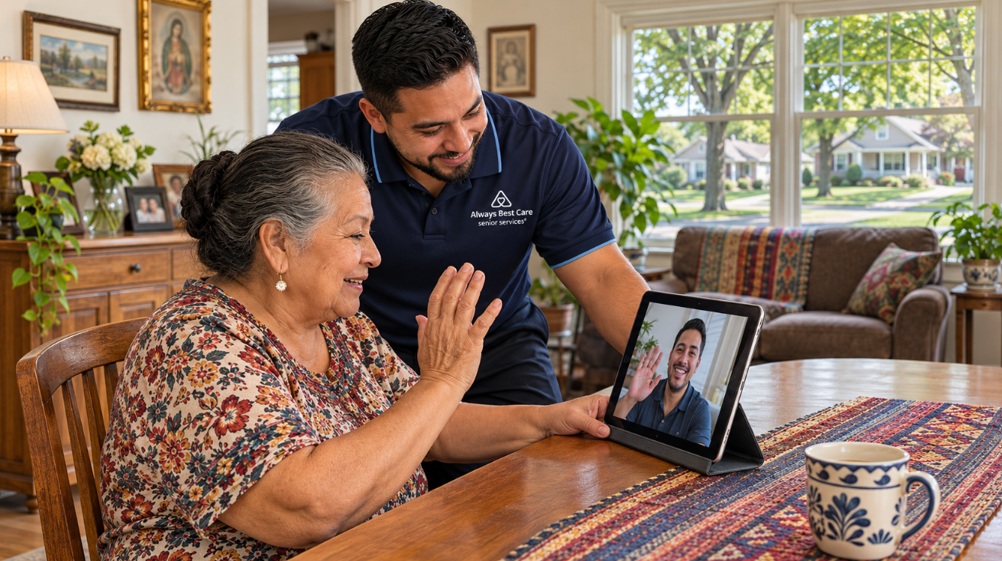
Home Care That Respects a Senior’s Preferred Daily Pace

An unhurried morning can be a source of comfort. Someone may enjoy finishing a cup of tea before getting dressed or prefer a quiet breakfast before conversation begins. Families exploring home care in Cedar Rapids, IA can begin by asking which parts of that daily rhythm matter most. A care routine should leave room for those preferences while addressing the assistance a person needs. At Always Best Care of the Cedar Valley Inc., we recognize that understanding someone’s habits is an important part of planning support.
Table of Contents
Begin with the Senior’s Description of a Good Day
A family member may describe a successful morning as one with every chore completed. The older adult may describe it as time to read, choose clothes, and eat without interruption. Both perspectives belong in the conversation, but the senior’s priorities deserve direct attention.
Ask what feels rushed and which tasks take more effort than they once did. A person might prepare breakfast comfortably but appreciate help carrying dishes. Another may want assistance with clothing fasteners after choosing an outfit. These details show where help belongs while keeping familiar choices in the senior’s hands.
It can also help to ask which activities the person wants to continue doing independently. Folding a few towels, watering an indoor plant, or setting the table may remain an enjoyable part of the day. Planning assistance around those activities gives the senior a clear role in shaping the routine.
Build Flexibility Around Practical Tasks
An agreed visit can include a few priorities without turning every minute into a deadline. Start with the assistance the senior needs and wants most, then discuss which household tasks can happen around that support.
Laundry might wait while the person finishes a phone call. Meal preparation might take place while the senior enjoys a favorite radio program. Families can explore personal care and companionship services to discuss how everyday assistance could fit into an individualized service plan.
Before a visit begins, identify a few practical details:
- Essential assistance: Agree on which personal care or daily activities need attention first.
- Preferred timing: Note usual meal times, rest periods, and activities the senior values.
- Flexible chores: Identify household tasks that can wait if another need takes priority.
A short list helps everyone understand what matters most. Families should also ask what can reasonably fit within the scheduled visit and which requests require advance planning. Flexibility works best when expectations are clear.

Offer Help Without Taking Over
Thoughtful assistance begins with understanding how much support a senior wants. These simple approaches can help caregivers respect personal choices while providing practical help.
- Ask before offering assistance. Find out whether the senior wants a reminder, items placed within reach, or direct help. Setting out a clean shirt may be enough one morning, while assistance with buttons may be welcome another day.
- Allow time to respond and participate. Avoid finishing every sentence or movement for the person. A pause does not automatically mean help is needed. Give the senior time to answer and complete tasks at a comfortable pace.
- Respect privacy and personal boundaries. Ask permission before handling belongings, opening drawers, or helping with dressing. Follow the established care plan and keep assistance within the caregiver’s role.
Checking preferences throughout the day helps keep support comfortable and respectful. The goal is to provide the assistance needed while leaving everyday decisions in the senior’s hands.
Make Room for Meaningful Connection
Daily routines often include moments of connection that deserve consideration alongside practical tasks. A senior may enjoy discussing a newspaper article over breakfast, sharing memories while sorting photographs, or having quiet company while working on a puzzle. Understanding these preferences helps make companionship a comfortable part of the day.
Shared Interests and Comfortable Companionship
Ask whether conversation is welcome rather than assuming every visit needs constant activity. Some older adults enjoy telling stories, while others prefer listening to music or spending time on a familiar hobby. Let the senior’s interests guide the interaction.
Companionship can include listening without interrupting, asking about a treasured photograph, or sitting nearby during a favorite pastime. Leave room for silence, too. Being present does not require filling every moment with conversation.

Telephone Connection Between Visits
For older adults who welcome phone conversations, families can ask about telephone reassurance through Always in Touch. Discuss whether the program suits the senior’s communication preferences and how it could complement existing support.
Consider whether the person enjoys speaking by phone and which times would be least disruptive. Someone who values a quiet morning may prefer a conversation later in the day. Telephone contact provides an opportunity for social connection, while hands-on assistance requires separate arrangements.
Meaningful connection begins with attention to what the senior enjoys. Whether through a shared activity, a welcome phone conversation, or peaceful company, companionship should respect the person’s preferred pace and way of interacting.
Adjust the Routine Through Conversation
A familiar routine provides structure, but it should leave room for changes in a senior’s day. An appointment, an unexpected visitor, or a restless night may affect when someone wants to eat, get dressed, or spend time with others. Regular conversations help caregivers understand those preferences and discuss adjustments within the agreed care plan.
What Would Make Today’s Routine More Comfortable?
Begin each visit with a simple check-in about the day ahead. Ask whether anything has changed and which activities have a set time. This gives the senior an opportunity to explain what matters before tasks begin.
For example, someone expecting a family visit may want help getting ready earlier while leaving laundry until later. Another person may prefer a quiet start after sleeping poorly. Discussing these details helps establish a manageable order without assuming that yesterday’s arrangement will suit today.
The following examples show how everyday preferences can guide that conversation:
| Situation | Question to Ask | Possible Adjustment to Discuss |
|---|---|---|
| An appointment is scheduled | How much time would you like to get ready? | Begin preparation earlier and leave flexible chores for afterward. |
| A visitor is expected | What would you like finished before your guest arrives? | Prioritize requested personal assistance and preparation for the visit. |
| A favorite program overlaps with household tasks | Would you prefer quiet time during your program? | Complete noisier chores at another agreed time. |
| Several tasks are planned | Which activities need attention first today? | Agree on priorities that fit within the scheduled visit. |
Not every request can be accommodated immediately. When a change affects visit hours or the assistance required, discuss it with the care coordinator so expectations remain clear.
When Should a Recurring Concern Prompt a Care Plan Review?
An occasional change may only require a different sequence of tasks. A repeated concern deserves a closer conversation. If getting ready consistently feels rushed or important assistance regularly remains unfinished, the current arrangement may need review.
With the senior’s permission, record specific observations rather than broad judgments. A note such as “requested more preparation time before two recent appointments” gives the care coordinator clearer information than “the morning routine is difficult.” Keep records relevant to care and follow the provider’s privacy procedures.
Before the visit ends, ask what worked well and whether anything should be approached differently next time. Share recurring concerns with the care coordinator, including the senior’s preferences and any adjustments already discussed. The coordinator can review whether task priorities, scheduling, or the level of assistance needs further consideration.
Keeping this conversation open helps the routine remain useful as circumstances change. Small preferences can guide daily visits, while recurring difficulties can receive a more thoughtful review with the senior involved in decisions.
Keep Everyday Choices at the Center
Families considering home care in Cedar Rapids, IA can bring a short description of their loved one’s preferred day to the first conversation. Include favorite routines, tasks that have become difficult, and activities the senior wants to continue independently.
At Always Best Care of the Cedar Valley Inc., we welcome those details when discussing nonmedical support. To explore assistance that respects familiar habits and personal choices, discuss your home care needs with our team or call (877) 292-2126.