Keeping Familiar Hobbies Part of a Home Care Routine
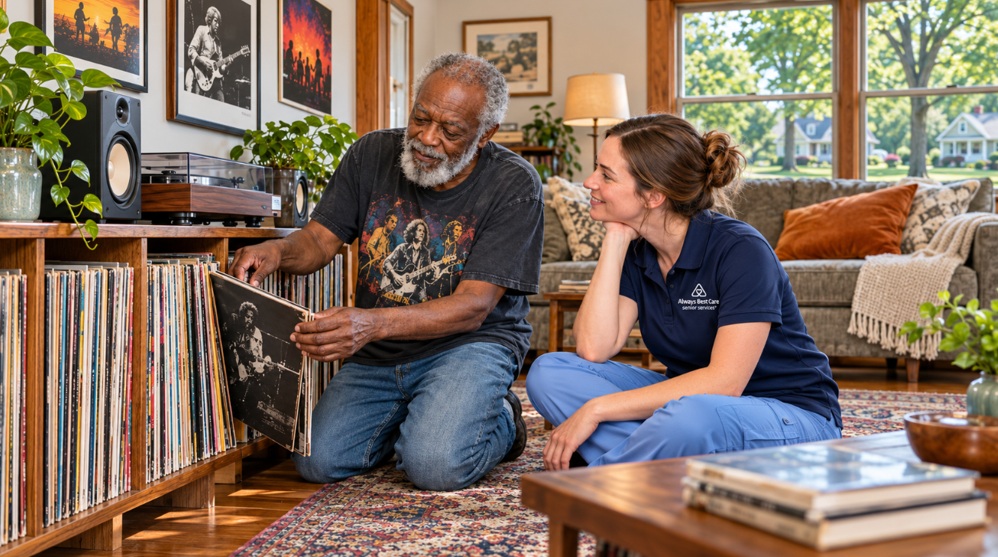
A favorite hobby often carries more meaning than the activity itself. Choosing a record may bring back memories of concerts, while painting can offer a peaceful way to spend an afternoon. Families exploring home care in Cedar Rapids, IA, can discuss how practical assistance might leave room for these familiar interests. At Always Best Care of the Cedar Valley Inc., we recognize that everyday life includes more than household tasks. The older adult’s current interests should guide which activities become part of the conversation.
Table of Contents
Start with What the Senior Enjoys Now
Ask which pastimes the person currently enjoys rather than relying only on what they liked years ago. Someone who once maintained a large garden may now prefer caring for one indoor plant. Another person may enjoy listening to music without organizing an entire record collection.
Ask what makes the activity meaningful. It may be choosing materials, creating something, sharing a story, or having time alone. Understanding that preference helps relatives and caregivers recognize which parts the senior wants to handle themselves.
An activity does not need to produce a finished result to deserve a place in the day. Looking through a few photographs or listening to one favorite song can be enough. Let the person decide what feels worthwhile.
Families can learn about our team’s approach to personalized senior care when preparing to discuss the older adult’s interests, preferences, and requested assistance.
Offer Practical Help That Supports Participation
Small changes to preparation and cleanup can make hobbies easier to include. Discuss the assistance the senior wants and confirm that any requested help fits within the agreed care arrangement.
Prepare the Space Together
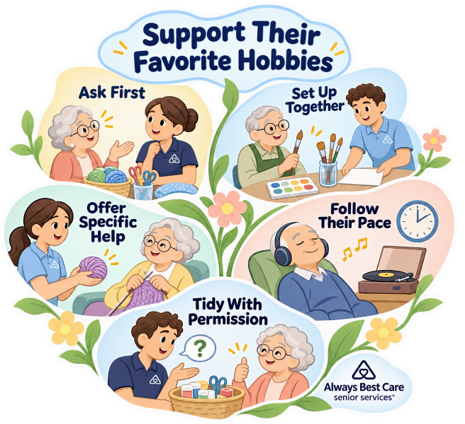
Ask where the person prefers to sit and which supplies they would like nearby. A caregiver might bring a basket of yarn to the table, place an album within reach, or help clear space for painting materials.
Keep the arrangement familiar. Ask before moving valued belongings, changing the order of a collection, or reorganizing supplies. What appears untidy to someone else may follow a system the senior understands and prefers.
Offer Specific Assistance
Describe the help available rather than automatically completing a task. A person sorting photographs may appreciate help reading a handwritten label while wanting to decide where each picture belongs.
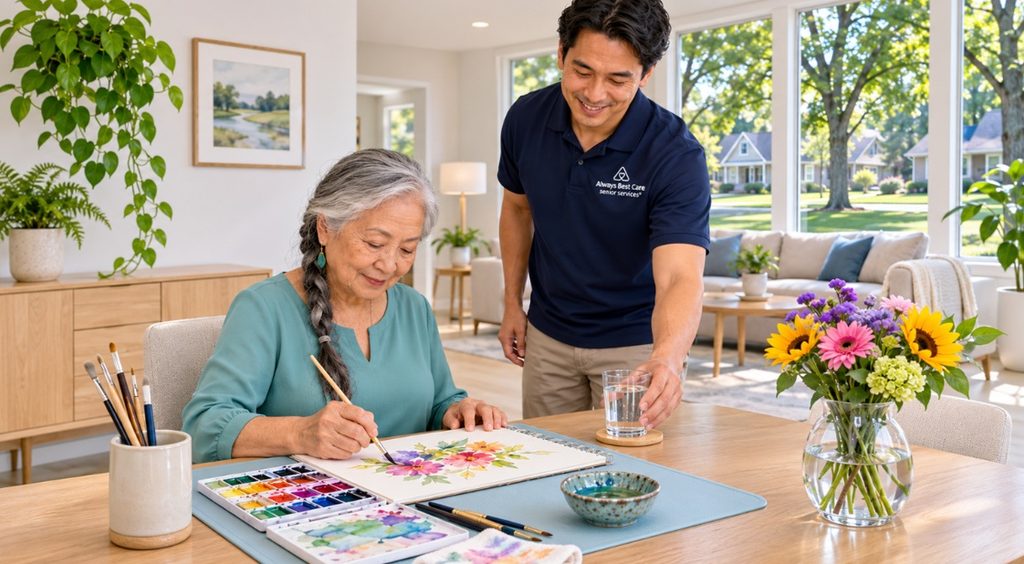
Someone who paints may want a water glass filled but prefers to arrange their own brushes. Ask which parts they would like assistance with and wait for an answer. Support should make participation more comfortable while preserving the choices that matter to the person.
Leave Materials Ready for Another Day
When the activity ends, ask how the senior wants supply stored. They may prefer to leave a puzzle in progress or keep knitting materials together in a familiar basket.
Check before putting away unfinished work. A convenient storage arrangement can make returning to a hobby simpler, but it should reflect the person’s household preferences. Avoid creating a new system without their agreement.
Choose a Comfortable Time for Favorite Activities
Favorite activities can fit into the day without becoming another obligation. Discuss timing with the senior and leave room for their preferences to guide participation.
- Ask about preferred timing. Some people enjoy a hobby after breakfast, while others prefer a quiet afternoon. Choose a time that feels comfortable for the senior and fits around scheduled commitments.
- Keep the duration flexible. A few enjoyable minutes may be enough. Leave adequate time for meals, personal assistance, and other agreed priorities without expecting an activity to fill the entire visit.
- Make it easy to pause. If the person wants to stop, ask whether materials should be left ready or put away. There is no requirement to finish a painting, complete a puzzle, or listen to an entire album.
A flexible approach lets the senior enjoy an activity for as long as they wish. Check their preferences each time rather than assuming the same timing will always suit them.
Fit Personal Interests into the Care Arrangement
Families can discuss how companionship and practical assistance might make room for activities the senior enjoys. Describe the requested support clearly, such as arranging materials, preparing a workspace, or helping with cleanup afterward.
With the senior’s permission, relatives can share useful details about favorite pastimes and familiar habits. These preferences can guide the conversation while leaving the older adult free to choose how they spend their time.
| Personal Interest | Preference to Share | Assistance to Discuss |
|---|---|---|
| Listening to music | Favorite artists, albums, and preferred volume. | Bringing selected records within reach or helping operate familiar equipment. |
| Painting or crafts | Preferred materials and workspace. | Setting out supplies, protecting the table, and helping with cleanup. |
| Looking through photographs | Albums the senior enjoys and how pictures are organized. | Bringing albums to a comfortable seat or helping read small labels. |
| Caring for indoor plants | Watering habits and where supplies belong. | Carrying a watering container or helping tidy the surrounding area. |
| Telephone conversations | Preferred call times and comfort with using the phone. | Asking about separate social call options and confirming their arrangements. |
Review these possibilities with the provider to confirm which tasks fit within the agreed care plan. Keep suggestions flexible, since the senior may want assistance with one part of an activity while handling the rest independently.
For older adults who also enjoy conversation by phone, families can ask about companionship through regular social calls. Confirm the program’s arrangements directly and consider it separately from hands-on assistance.
Simple Reminders for Supporting Familiar Hobbies
Thoughtful support begins with asking what the senior wants to do. The following reminders can help families and caregivers keep activities enjoyable and centered on personal preferences.
Respect Changing Interests Without Pressure
Interests can change, and a familiar hobby may not appeal every day. Give the older adult room to choose another activity, take a break, or decline without feeling obligated to explain.
What Would the Senior Prefer to Do Today?
Ask what sounds enjoyable before suggesting a replacement for an unfinished project. A simple choice between listening to music and looking at photographs may feel more inviting than a crowded activity schedule.
Accept “not today” without repeatedly encouraging participation. The person may prefer quiet time or wish to return to the activity later.
How Can Activities Stay Free from Performance Expectations?
Let enjoyment guide the experience. There is no need to recall every name in a photograph, finish a puzzle, or produce a polished painting.
Avoid correcting or evaluating the senior’s work unless they ask for feedback. Follow their lead and allow them to decide when the activity feels complete.
What Should Families Do When an Activity Becomes Uncomfortable?
If the senior mentions discomfort or a new difficulty, pause the activity and give them time to explain. Let their response guide what happens next.
- Ask what they prefer. Offer the choice to stop, rest, or describe what feels different.
- Share relevant concerns. Follow the agreed care communication process so the appropriate person receives the information.
- Seek appropriate guidance. Direct questions about new health concerns to a qualified healthcare professional rather than making assumptions about the cause.
Keep participation voluntarily and respect the senior’s decision to pause or finish. Their comfort should guide whether and how the activity continues.
Make Space for What the Senior Values
Conversations about home care in Cedar Rapids, IA, can include personal interests alongside practical daily needs. Knowing which activities matter, what assistance is welcome, and when the person prefers to participate gives families a more complete picture of the support they are seeking.
At Always Best Care of the Cedar Valley Inc., we welcome questions about nonmedical assistance that respects individual preferences. To discuss service availability and support for everyday life, speak with our team about personalized home assistance or call (877) 292-2126.