
Life After Stroke in Charlotte: Safety, Independence, and Home Modifications for Seniors
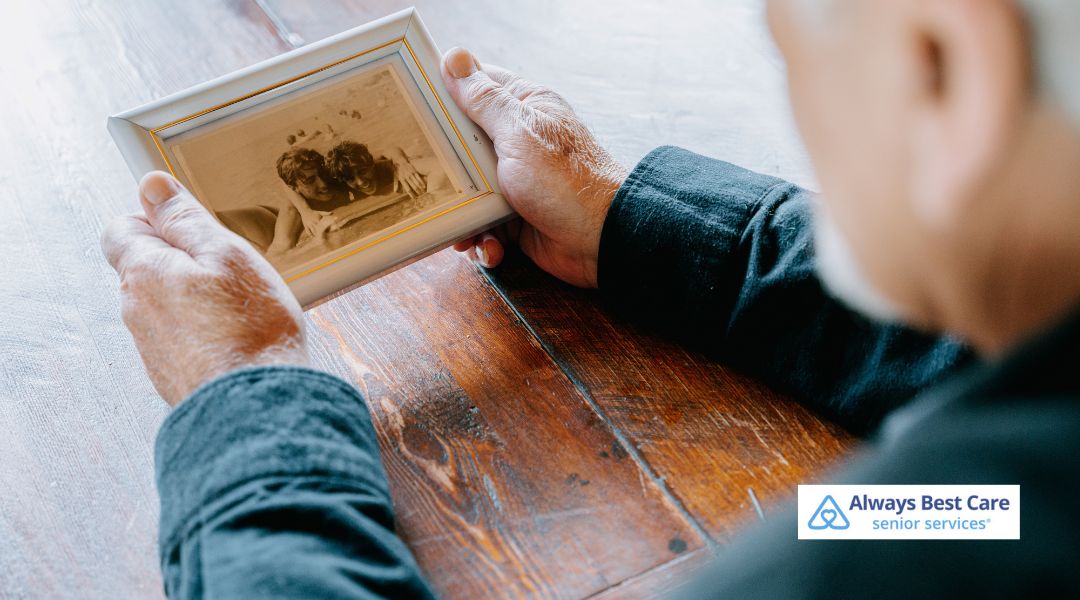
Walking back through the front door after a stroke can be bittersweet. On one hand, home feels comforting—familiar rooms, favorite chairs, the view from the porch. On the other hand, everyday things suddenly seem risky: the stairs, the shower, even getting out of bed.
For Charlotte seniors and their families, the goal isn’t to wrap life in bubble wrap; it’s to make home safer while still letting your loved one feel capable and included. With a few smart changes and the right support, life after stroke can be safer, smoother, and more independent than many people expect.
What You Will Learn:
- How stroke changes daily routines and safety risks for seniors at home.
- Practical home modifications that improve safety without sacrificing comfort.
- Ways to balance independence and support during stroke recovery.
- How families in Charlotte can create safer environments and share caregiving responsibilities.

Table of Contents
Understanding How Stroke Changes Daily Life
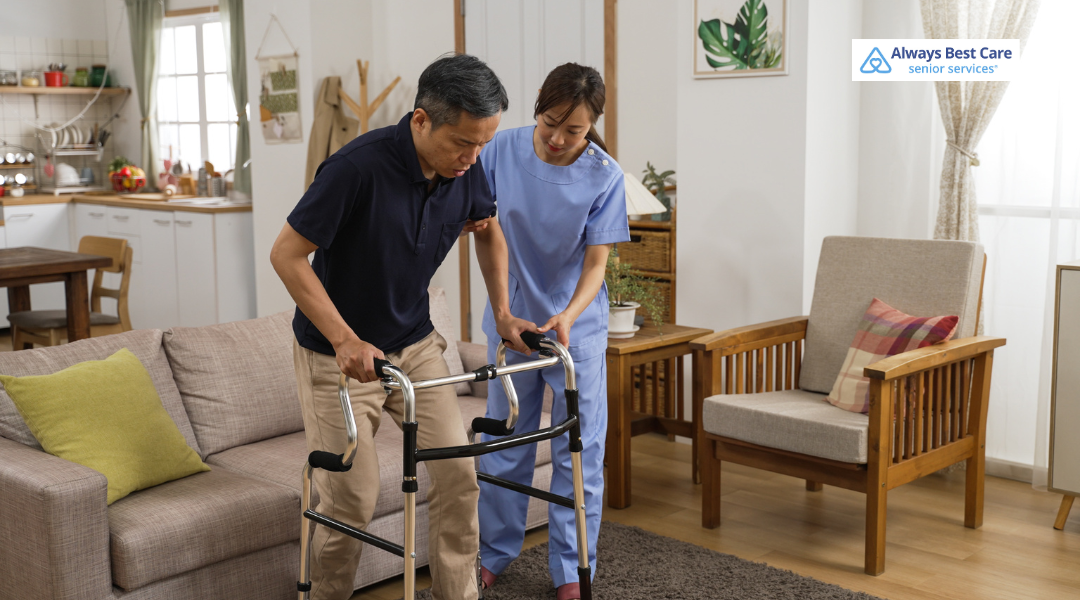
A stroke can affect strength, balance, vision, speech, memory, and problem-solving. That mix looks different for everyone, but it often shows up in daily routines.
Common changes after a stroke include:
- Weakness or numbness on one side of the body
- Trouble with balance or walking
- Slower thinking or difficulty multitasking
- Vision changes, like blind spots or depth-perception issues
- Fatigue that shows up faster than before
Recognizing these changes early helps Charlotte families adjust the home and routines before a big fall or emergency forces rushed decisions.
Making the Home Safer Without Making It Feel Like a Hospital
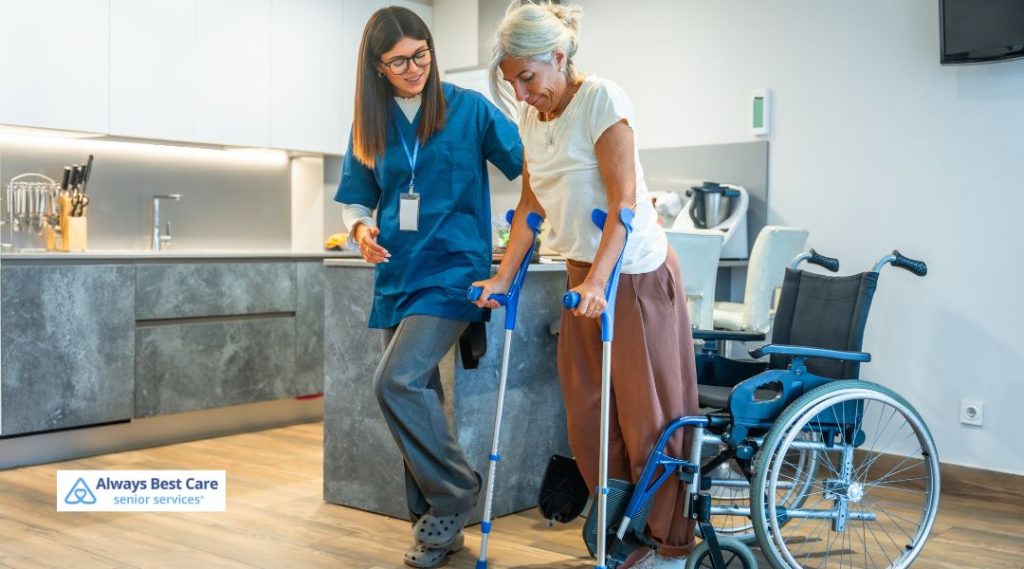
Most seniors don’t want their house to look like a medical facility, and honestly, neither do families. The good news: many of the most effective safety changes are subtle.
Clear the Pathways
Start with the places your loved one walks every day.
- Remove loose rugs and cords that can catch a foot or walker.
- Move small tables or decorative items to narrow walkways.
- Keep commonly used items (remote, phone, reading glasses) easy to reach.
Think “wide, clear paths” from bed to bathroom, bathroom to living room, and kitchen to dining area.
Light the Way
Good lighting is underrated—especially after a stroke.
- Add brighter bulbs in hallways, bathrooms, and stairways.
- Use nightlights from the bedroom to the bathroom for late-night trips.
- Make sure switches are easy to reach at entrances and exits.
Shadows and dim corners can turn into surprise tripping hazards for someone with vision or balance changes.
Focus on the Bathroom
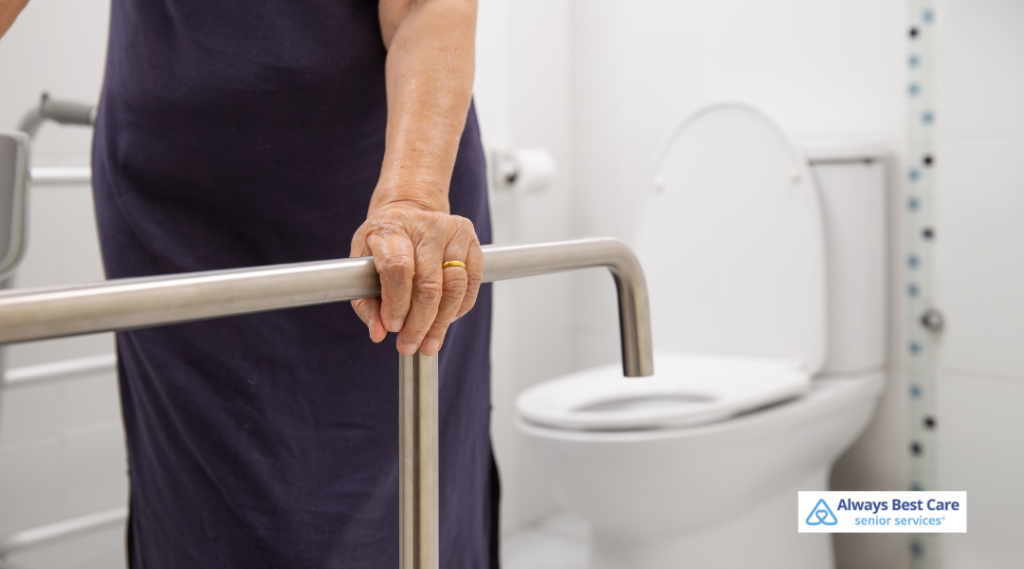
Bathrooms are one of the most dangerous spots for stroke survivors. Wet surfaces plus weaker muscles are a tough combination.
Helpful additions include:
- Grab bars near the toilet and inside the shower or tub
- Non-slip mats inside and outside the shower
- A shower chair or bench for seated bathing
- A raised toilet seat or toilet safety frame
These changes can still look clean and simple while making a huge difference in safety.
Stairs, Steps, and Charlotte Homes
Many Charlotte homes have multiple levels or at least a few steps in and out. After a stroke, stairs can become a daily challenge.
Options to consider:
- Moving the main bedroom to the first floor if possible
- Using sturdy railings on both sides of staircases
- Adding visual contrast to the edge of steps (for example, a strip of contrasting tape)
- Exploring ramps or threshold ramps at entrances
If stairs can’t be avoided, ask a therapist or nurse to show everyone safe techniques for climbing and descending with a cane, walker, or help from another person.
Balancing Safety and Independence
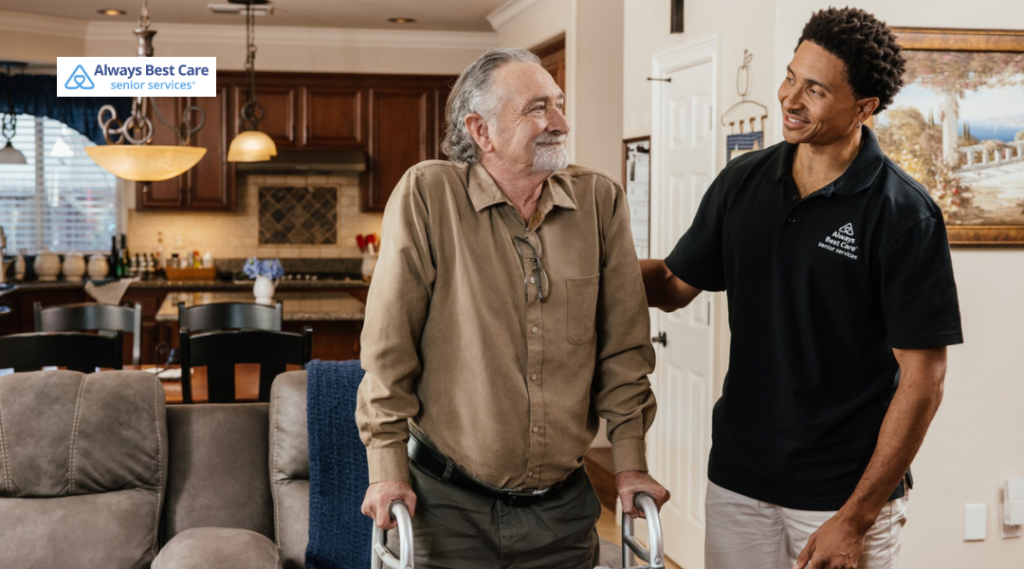
Here’s a tricky truth: doing everything for your loved one can sometimes slow their progress and chip away at their confidence. The aim is to create a “just-right” level of help—enough to stay safe, not so much that they feel helpless.
Helpful approaches include:
- Breaking tasks into smaller steps (for example, sitting to dress instead of standing)
- Setting up items so they can reach what they need without climbing or stretching
- Letting them start a task and stepping in only if they get stuck
- Being patient with slower pacing and imperfect movements
It may take longer for them to button a shirt or prepare a simple snack, but the boost in independence can be worth the extra minutes.
Rethinking Daily Routines After a Stroke
Life after stroke often means reworking the rhythm of the day so energy and safety stay in balance.
Pace, Don’t Race
Fatigue hits faster after a stroke. Instead of packing the day, try:
- Scheduling the most demanding tasks for times of higher energy (often morning)
- Building in rest breaks between bathing, dressing, meals, and appointments
- Limiting back-to-back outings or long social visits early in recovery
Simplify, Then Simplify Again
Small tweaks can make everyday tasks less exhausting:
- Lay out clothes in advance so dressing is easier.
- Use clothing with fewer buttons and zippers.
- Keep dishes and pantry items at waist height—no reaching or crouching.
The goal is to save energy for what matters most to your loved one, whether that’s therapy exercises, a favorite hobby, or family time.
Tools and Aids That Can Make Charlotte Homes More Stroke-Friendly
You don’t need to buy every gadget on the market, but a few well-chosen tools can make home life much easier.
Commonly helpful items:
- Grabber or reacher tools for picking up items from the floor or high shelves
- Long-handled shoehorns and sock aids
- One-handed cutting boards or utensils if one hand is weaker
- Weighted utensils for tremors
- Pill organizers with clear labels and time-of-day sections
Ask therapists for recommendations based on your loved one’s specific challenges so you’re not guessing what to buy.

How Charlotte Families Can Share the Load
Caregiving after a stroke can become a full-time job if it falls on one person. Spreading responsibilities out helps everyone last longer.
Ideas for sharing the load:
- Assign specific roles (meds, meals, rides, paperwork) among family members.
- Schedule regular “off-duty” time for the primary caregiver.
- Consider bringing in outside help for a few hours a week for bathing, transfers, or housekeeping.
- Keep a shared calendar for appointments, therapy, and important reminders.
The more structured the support, the less likely it is that one person burns out quietly in the background.

Staying Connected With Care Teams in Charlotte
After discharge, it’s easy to feel cut off from the professionals who helped in the hospital or rehab. Staying in touch with your loved one’s medical team can keep recovery on track.
Helpful habits:
- Write down questions between appointments so nothing gets forgotten.
- Bring a short list of recent changes (falls, new symptoms, mood shifts) to each visit.
- Ask therapists and nurses to demonstrate safe transfers, exercises, and equipment use at home.
- Speak up early if something feels off rather than waiting for the next scheduled visit.
You’re not bothering anyone—you’re helping the team understand what life really looks like day to day.
FAQs About Life After Stroke in Charlotte Homes
How soon should we start making home changes after a stroke?
It’s wise to start with basic safety improvements—like clearing walkways and adding bathroom supports—as soon as you know your loved one is coming home. More detailed adjustments can follow as you see what they struggle with.
Q: Do all stroke survivors need grab bars and shower chairs?
A: Not everyone, but many benefit from them, especially if there’s any balance issue, weakness, or fear of falling. These tools aren’t just for people who are very frail; they’re for anyone whose safety is even slightly at risk in the bathroom.
Q: How can we tell if we’re “helping too much” after a stroke?
A: If your loved one rarely tries tasks on their own or seems less confident over time, it might be a sign to step back a bit and let them do what they safely can, while staying close by for backup.
Q: What should we do if our home has lots of stairs and cannot be easily modified?
A: Talk with therapists, nurses, or your medical team about options. They may suggest temporary bedroom moves, short-term equipment, in-home support, or even exploring different living arrangements if safety truly can’t be maintained.
Q: How can we keep our loved one motivated during home recovery?
A: Celebrate small wins, set realistic goals, and build favorite activities into the week. Encouragement, patience, and visible progress—even tiny steps—can make a big difference in motivation.
Making Home a Partner in Recovery
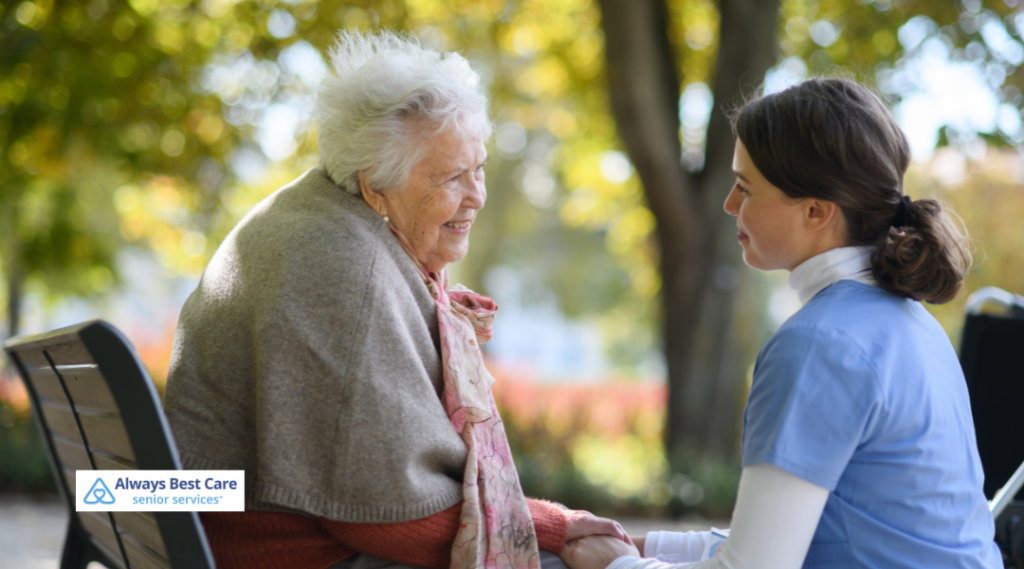
Life after stroke in Charlotte doesn’t have to mean giving up independence or living in fear of the next fall. With thoughtful safety changes, balanced support, and routines that respect your loved one’s new limits and strengths, home can become a powerful partner in recovery.
You don’t need to transform the house overnight. Start with a few key adjustments, keep talking with your loved one and their care team, and add new supports as needed. Step by step, you can create a home where safety and dignity live side by side.
Contact Always Best Care of Charlotte at (336) 270-4352 to learn more and schedule your free consultation.
Link to the markdown version of this blog.