Easy Home Safety Improvements for Seniors This Summer in Mount Clemens
Summer in Mount Clemens brings longer days and warmer weather — but for older adults, the season also comes with real risks. Heat-related illness, dehydration, and household accidents increase significantly during the summer months, particularly for seniors living independently. The good news? A few targeted preparations can make a meaningful difference.
Here’s what families and caregivers should prioritize before the heat arrives.
What you will learn:
- How to prepare a senior’s home to stay safe, cool, and comfortable during the summer months.
- Simple ways to help older adults stay hydrated, prevent falls, and manage heat-related health risks.
- Why emergency planning, medication safety, and outdoor home maintenance are important during warm weather.
- How in-home care can provide extra support to help seniors remain safe, healthy, and independent throughout the summer.
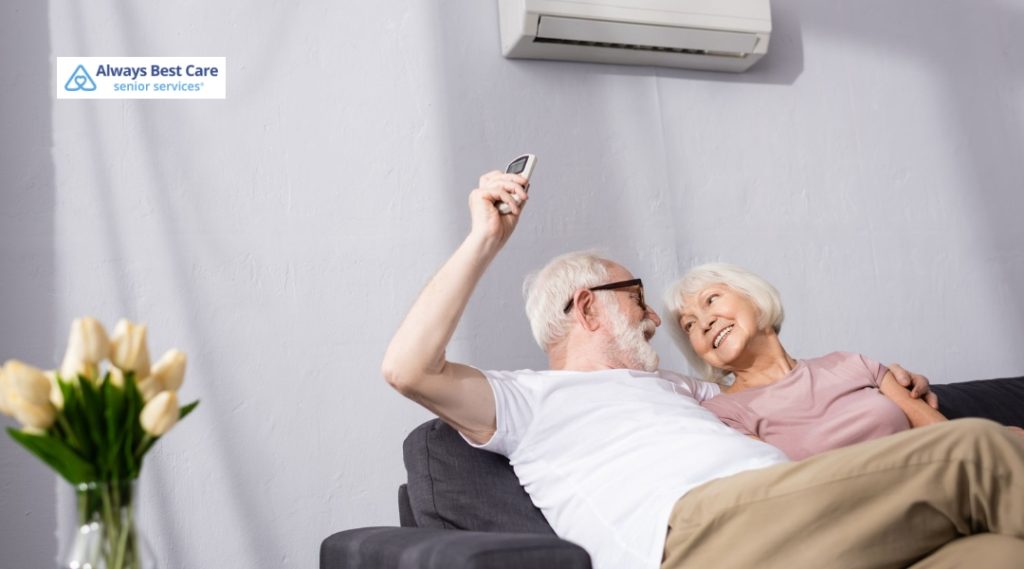
Table of Contents
Don’t Wait on Your Cooling System
Seniors are far more vulnerable to heat stress than younger adults. The body’s ability to regulate temperature declines with age, and many chronic conditions — heart disease, diabetes, kidney issues — compound that risk. Air conditioning isn’t a luxury; it’s a health safeguard.
Before summer peaks, have your HVAC system serviced, replace filters, and test all fans. If a senior in your life doesn’t have reliable air conditioning, identify local cooling centers, libraries, or community spaces they can access on extreme heat days. Keep that list somewhere visible.
Build Hydration Into the Day
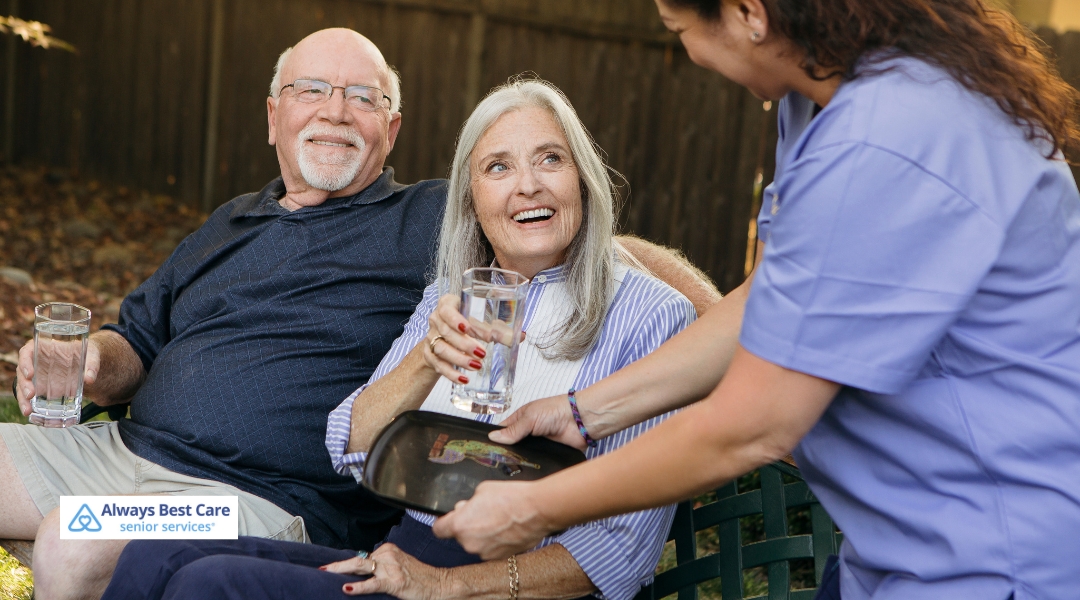
Many older adults don’t feel thirst the way they used to — which means dehydration can set in before there’s any obvious warning sign. Certain medications also increase fluid loss or reduce the body’s ability to conserve water.
Rather than relying on thirst as a cue, build hydration into the daily routine:
- Keep a filled water bottle within arm’s reach at all times
- Set reminders or pair drinking water with existing habits (meals, medications, morning routines)
- Incorporate water-rich foods — cucumbers, watermelon, berries, and citrus — into regular meals
- Limit caffeine and sugary drinks, which can contribute to fluid loss
Small, consistent habits are far more effective than trying to “catch up” on fluids after the fact.

Walk the Property for Hazards
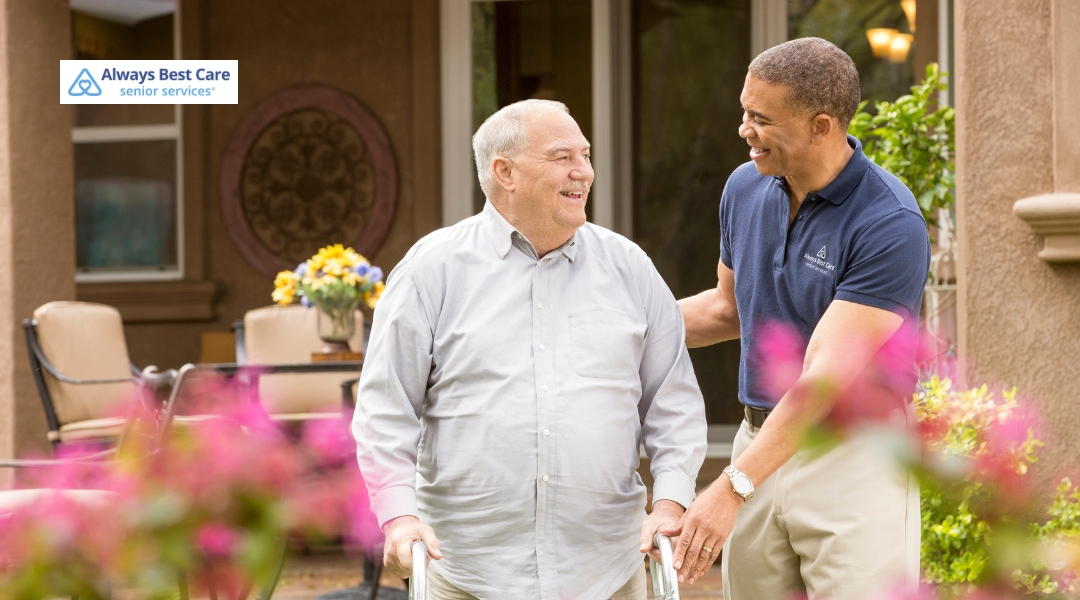
Summer typically means more time outdoors — gardening, walking, sitting on the patio. Before that activity picks up, do a thorough walkthrough of all outdoor spaces.
Look for:
- Uneven pavers, cracked walkways, or raised edges that could cause a trip
- Hoses, tools, or clutter left across pathways
- Overgrown plants or low-hanging branches that obstruct movement
- Loose or wobbly handrails on steps and ramps
- Outdoor lighting that’s burned out or poorly positioned
Falls are one of the leading causes of injury among seniors, and outdoor environments are often overlooked compared to interior spaces. A 20-minute walkthrough now can prevent a serious incident later.
Prepare for Severe Weather Before It Happens
Summer storms, power outages, and extreme heat events can escalate quickly. Seniors — especially those with medical needs or limited mobility — should have a plan in place well before severe weather is in the forecast.
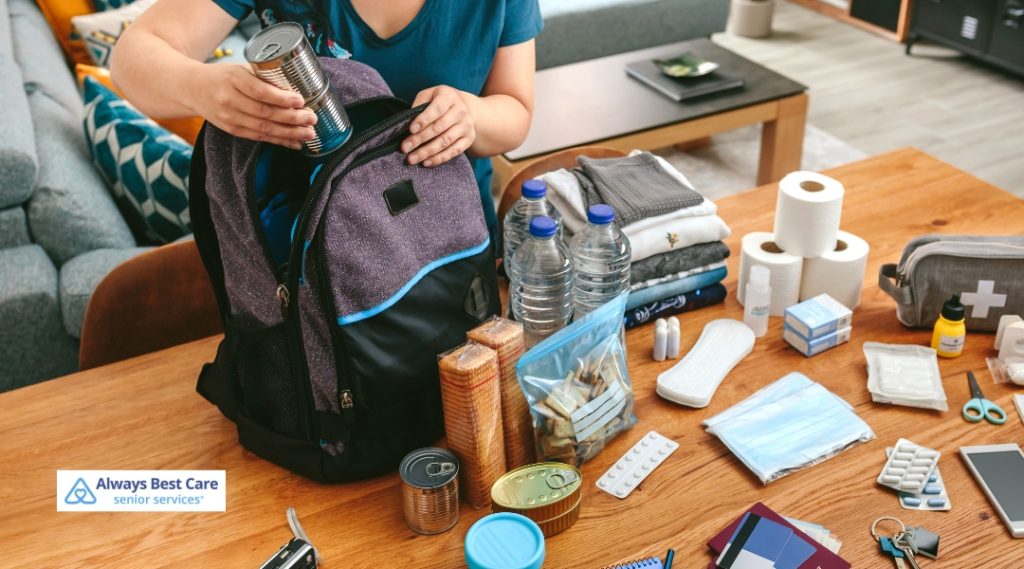
A basic emergency kit should include:
- Bottled water (at least a three-day supply)
- Nonperishable food
- Flashlights and backup batteries
- A full supply of necessary medications
- Printed list of emergency contacts and medical information
- Backup charging options for phones or medical devices
Equally important: make sure family members or neighbors know the plan. Who checks in during a power outage? Who provides transportation if evacuation is needed? These conversations are easier to have before an emergency than during one.
Check How Heat Affects Medications
This is an often-overlooked summer risk. Many common medications — including diuretics, antihistamines, beta-blockers, and certain antidepressants — can increase heat sensitivity or reduce the body’s ability to cool itself. Others degrade at high temperatures, becoming less effective or potentially unsafe.
Review storage instructions for all medications and move anything that’s been sitting near a window or in a warm bathroom. Talk with a pharmacist or physician about any heat-related side effects, especially if a senior is on multiple prescriptions.
Reduce Indoor Fall Risks
Summer creates a specific indoor hazard that’s easy to miss: wet floors. Seniors tracking water after gardening, swimming, or other outdoor activities can turn an entryway or kitchen into a slip hazard.
Address this with:
- Non-slip mats at all entry points
- Quick-dry footwear options near the door
- Consistent lighting in hallways and common areas
- Clutter-free walkways throughout the home
These are low-cost, high-impact changes that support safety well beyond the summer months.
How Always Best Care of Mount Clemens Can Help
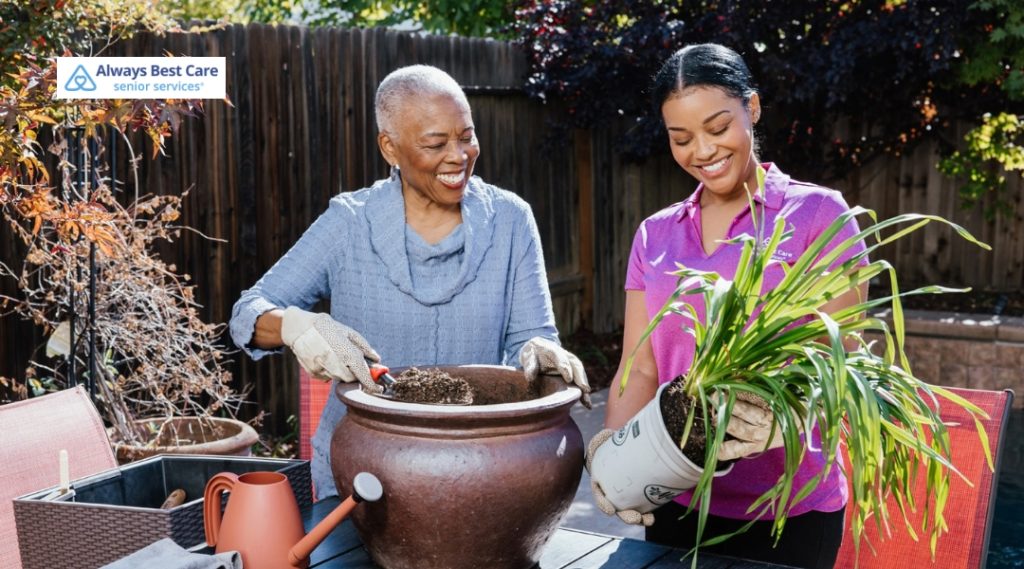
Summer preparation is manageable — but it’s a lot to coordinate, especially for families who don’t live nearby or seniors managing their own care. Always Best Care of Mount Clemens provides in-home support that helps older adults stay safe, comfortable, and independent throughout the season.
Our caregivers can help with:
- Home safety walkthroughs and light housekeeping
- Meal preparation and daily hydration support
- Medication reminders and wellness monitoring
- Transportation to appointments and errands
- Companionship and regular check-ins
Whether your loved one needs a few hours of support each week or more consistent daily care, we’re here to help make summer safer.
Frequently Asked Questions
Q: At what temperature does heat become dangerous for seniors?
A: Temperatures above 80°F can pose a risk for older adults, particularly when combined with high humidity. Seniors with heart disease, diabetes, or kidney conditions face an elevated risk even at lower temperatures. Air conditioning and hydration become critical once outdoor temps consistently exceed this threshold.
Q: How much water should a senior drink each day?
A: Most older adults should aim for at least 6–8 cups of fluid per day, though individual needs vary based on health conditions, medications, and activity level. Since thirst is not a reliable indicator in seniors, building scheduled hydration habits is more effective than waiting to feel thirsty.
Q: What are the warning signs of heat exhaustion in older adults?
A: Key signs include heavy sweating, weakness, dizziness, nausea, headache, and cool or pale skin. Heat exhaustion can progress to heat stroke — a medical emergency — if not addressed quickly. Move the person to a cool environment, offer fluids if they’re alert, and contact a healthcare provider if symptoms don’t improve.
Q: How can I help a senior parent prepare for summer if I don’t live nearby?
A: Start with a phone or video call to walk through the checklist together. Arrange for a local caregiver, neighbor, or professional home care provider to do an in-person safety check. Services like Always Best Care can provide regular visits and keep you informed about your loved one’s well-being.
Q: Is in-home care available just for the summer months?
A: Yes. Care plans can be tailored to short-term or seasonal needs. If your loved one needs additional support only during the summer months, a flexible care arrangement can be set up accordingly. Contact Always Best Care of Mount Clemens to discuss options.
Enjoy Summer With Confidence in Mount Clemens
Preparation doesn’t have to be complicated. A cooler home, a hydration routine, a hazard-free yard, and a weather plan can dramatically reduce summer risks for older adults. Start with one area, work through the list, and don’t hesitate to ask for help.
Call Always Best Care of Mount Clemens today at (586)488-4245 to schedule a care consultation and learn how our caregivers can support your loved one this summer and beyond.
Link to the Markdown File version of this article.