Post-Hospital Recovery in January: Why Transitional Care Matters Most This Time of Year in Mount Clemens

January has a way of arriving with a thud. The holidays fade, routines shift, and for many families in Mount Clemens, hospital stays or recent discharges become part of the picture. Winter weather, lingering illnesses, and post-holiday exhaustion can make recovery feel heavier than expected. That’s where post-hospital recovery in January takes on added importance. This time of year isn’t just cold—it’s complicated. Transitional care helps bridge the gap between hospital and home, offering support when it’s needed most.
Table of Contents
Why January Makes Post-Hospital Recovery More Challenging
January isn’t your average month for healing. It brings a perfect storm of factors that can slow recovery if families aren’t prepared.
Cold weather can limit mobility and increase fall risks. Seasonal illnesses like flu and pneumonia are still circulating. Add shorter days and less social interaction, and seniors may feel more tired, isolated, or discouraged than usual.
For someone just home from the hospital, these conditions can turn small setbacks into big concerns. That’s why post-hospital recovery in January often requires more hands-on support than other times of year.

What Transitional Care Really Means
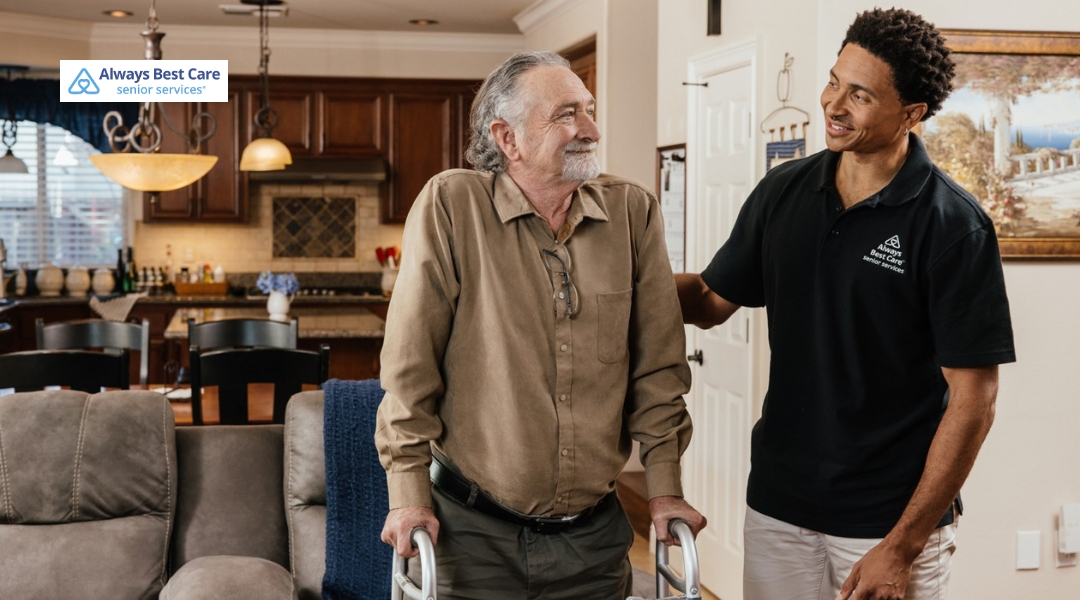
Transitional care isn’t about doing everything—it’s about doing the right things at the right time. It focuses on helping seniors move safely from hospital to home without missing crucial steps along the way.
This kind of care often includes:
- Medication reminders and monitoring
- Assistance with mobility and daily routines
- Follow-up appointment coordination
- Nutrition support and hydration reminders
- Watching for red flags that signal complications
Rather than guessing or hoping for the best, transitional care creates a steady rhythm during recovery.
Post-Hospital Recovery in January Needs Extra Attention
January recoveries come with unique risks. A missed medication, a skipped meal, or a minor slip can quickly undo progress. Transitional care adds an extra layer of reassurance for families who can’t always be there.
This time of year, seniors may:
- Feel weaker due to recent illness
- Be less active because of winter conditions
- Struggle with motivation or mood changes
- Need more encouragement to follow care plans
By supporting routines and offering gentle oversight, transitional care helps recovery stay on track—even when winter throws curveballs.

How Transitional Care Supports Independence at Home
Here’s the good news: transitional care doesn’t mean giving up independence. In fact, it protects it.
By offering help where it’s needed most, seniors can focus on healing without feeling overwhelmed. Simple things—such as helping with getting dressed, preparing warm meals, or safely navigating around the house—can make a world of difference.
Over time, this support builds confidence. Instead of feeling rushed or unsure, seniors recover at their own pace, right where they’re most comfortable.
Key Benefits of Transitional Care in Mount Clemens
Transitional care offers practical advantages that matter, especially in winter:
- Fewer hospital readmissions by catching issues early
- Safer recovery at home during icy, low-energy months
- Reduced stress for families juggling work, weather, and caregiving
- Consistent routines that promote healing and stability
In Mount Clemens, where winter weather can linger, these benefits aren’t just helpful—they’re essential.

When Should Families Consider Transitional Care?
Timing matters. Transitional care is most effective when it begins immediately after discharge, rather than weeks later.
Families should consider it if:
- A loved one was recently hospitalized or in rehab
- Medications or care instructions feel overwhelming
- Winter weather limits safe outings
- Energy, balance, or memory seems off
- Family caregivers are stretched thin
If any of these sound familiar, transitional care can step in before small issues snowball.
Post-Hospital Recovery in January Is a Team Effort
Recovery isn’t a solo act. Doctors, nurses, caregivers, and family members all play a role. Transitional care helps everyone stay aligned, especially during January’s slower, heavier days.
It keeps communication clear, routines steady, and expectations realistic. Most importantly, it gives seniors the sense that they’re not navigating recovery alone.
FAQs
Q: Why is post-hospital recovery in January harder than in other months?
A: Winter weather, seasonal illness, and lower energy levels can slow healing and increase risks during recovery.
Q: What does transitional care focus on after hospital discharge?
A: It supports medication management, daily routines, safety, follow-up care, and early problem detection.
Q: Is transitional care only for seniors with serious conditions?
A: No. It’s helpful for anyone who needs extra support after a hospital stay, even for short-term recovery.
Q: How long does transitional care usually last?
A: It varies. Some people need support for a few weeks, while others benefit longer, depending on recovery progress.
Q: Can transitional care help prevent hospital readmission?
A: Yes. By monitoring changes and addressing concerns early, it can reduce the chance of returning to the hospital.

Start Recovery Strong This January—Discover How Transitional Care Supports a Safer Return Home in Mount Clemens
January doesn’t ease anyone back into routine—it asks a lot, especially from seniors recovering at home. Post-hospital recovery in January calls for patience, planning, and the right kind of support. Transitional care helps fill the gap between medical discharge and true recovery, offering comfort, safety, and reassurance when winter makes everything feel a bit heavier. In Mount Clemens, it’s not just about getting through January—it’s about healing well, one steady day at a time.
If your family could use extra support during this transition, reach out today and call us at (586) 488-4245 to schedule a care consultation and learn how compassionate transitional care can help your loved one recover safely at home.