

Respiratory Care Tips to Help Mount Clemens Seniors Feel Their Best

For many older adults, breathing becomes more than just an automatic function—it becomes a daily challenge. Whether caused by decades of environmental exposure, a chronic condition like COPD, or simply the natural aging process, respiratory health is one of the most overlooked aspects of senior wellness. In Mount Clemens, MI, families and caregivers are increasingly looking for practical ways to help their loved ones breathe easier and live more fully.
What you will learn:
- How aging naturally impacts the respiratory system, and which common conditions to watch for in your loved ones.
- Easy steps to create a cozy, lung-friendly home environment tailored for the unique NW Calgary climate.
- Simple daily habits and lifestyle choices that help seniors boost their lung strength and overall vitality.
- Practical ways to manage chronic conditions at home and when to seek a helping hand from a professional caregiver.
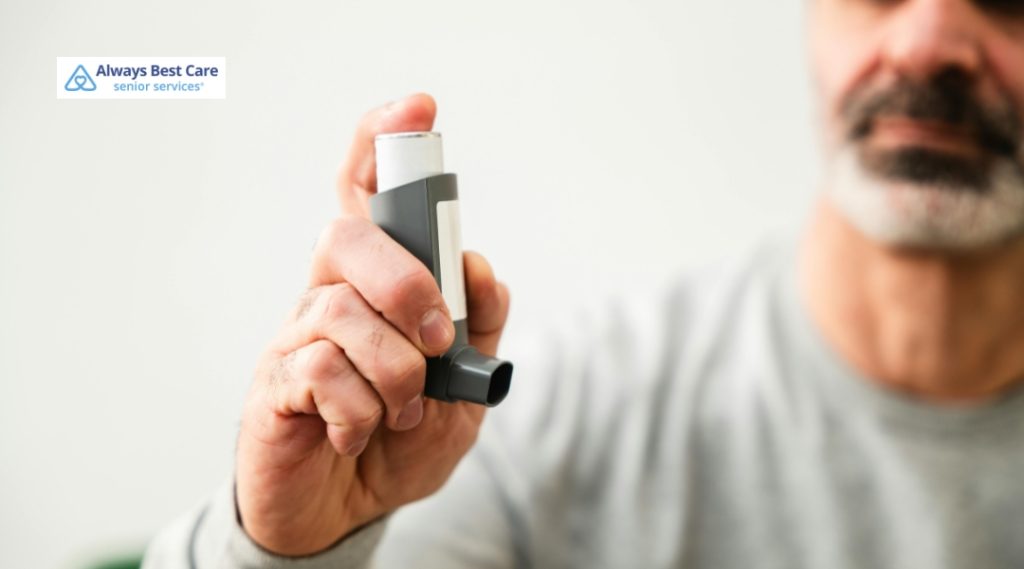
Table of Contents
How Aging Changes the Way We Breathe
The lungs, like every other organ, change with age. Chest muscles weaken, lung tissue loses elasticity, and the airways become less efficient at filtering out irritants. These changes do not happen overnight, but over time, they can significantly reduce a senior’s stamina, sleep quality, and ability to recover from illness.
What makes this especially important is that many seniors do not recognize the gradual decline until a respiratory infection or flare-up forces the issue. By then, the body has less reserve to fight back. That is why proactive care—before a crisis hits—makes such a meaningful difference.
Age-related respiratory changes include:
- Decreased lung capacity and oxygen exchange efficiency
- Weakened diaphragm and intercostal muscles
- Reduced ability to clear mucus from the airways
- Greater susceptibility to pneumonia, bronchitis, and COPD flare-ups
Building a Lung-Friendly Home Environment in Mount Clemens, MI
The air inside a home can be more polluted than outdoor air, particularly in older houses with poor ventilation, carpeting, or mold. For seniors with sensitive respiratory systems, the home environment is either a source of relief or a source of stress.
Practical steps to improve indoor air quality:
- Replace HVAC filters every 60–90 days, or more frequently during allergy season
- Use a HEPA air purifier in the bedroom and main living areas
- Keep humidity between 40–50% to prevent mold growth and dry airways
- Eliminate smoking indoors entirely, including vaping
- Switch to fragrance-free or plant-based cleaning products
- Vacuum with a HEPA-filter vacuum to reduce dust mite exposure
Small environmental changes can have an outsized impact on how a senior feels day to day, especially during Michigan’s colder months when windows stay closed, and indoor air becomes stagnant.

Daily Habits That Strengthen Respiratory Health
Lung health is not just about avoiding triggers—it is also about actively building capacity and resilience. Seniors who engage in consistent, manageable daily habits tend to experience fewer flare-ups and recover more quickly when illness does occur.
Habits worth building into a daily routine:
- Gentle movement: Walking, chair yoga, or light stretching helps expand lung capacity and keep circulation strong
- Diaphragmatic breathing: Practicing slow, deep belly breaths for 5–10 minutes daily can improve oxygen intake and reduce anxiety
- Hydration: Drinking enough water keeps mucus thin and easier to clear
- Nutrition: Anti-inflammatory foods—leafy greens, berries, fatty fish, and nuts—support lung tissue health
- Vaccinations: Staying current on flu, pneumonia, and COVID-19 vaccines significantly reduces the risk of serious respiratory illness
Consistency matters more than intensity. Even modest daily efforts compound into meaningful long-term benefits.
Managing Chronic Respiratory Conditions at Home
Seniors living with COPD, asthma, or chronic bronchitis require more structured management. Unmanaged symptoms not only reduce quality of life but can also lead to hospitalizations that are often preventable.
Effective chronic condition management includes:
- Taking all prescribed medications on schedule, including maintenance inhalers
- Knowing the difference between a rescue inhaler and a controller medication
- Tracking symptoms daily—changes in breathlessness, mucus color, or energy levels can signal a developing problem
- Scheduling regular checkups with a pulmonologist or primary care provider
- Having a written action plan for flare-ups, agreed upon with a healthcare provider
- Avoiding known triggers such as smoke, cold air, or allergens
Caregivers and family members play a critical role here. Having someone who notices subtle changes—and knows when to act—can be the difference between a managed flare-up and an emergency room visit.
Warning Signs That Should Never Be Ignored
Knowing when to seek help is just as important as daily prevention. Some respiratory symptoms are gradual; others demand immediate attention.
Contact a healthcare provider promptly if a senior experiences:
- Increasing shortness of breath during previously manageable activities
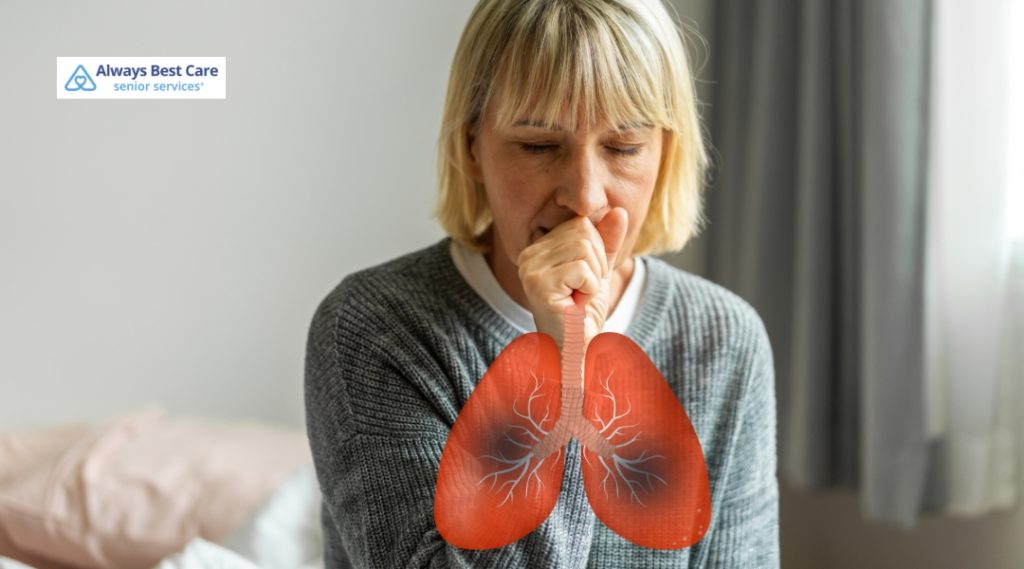
- Persistent coughing that produces discolored or bloody mucus
- Chest tightness, pressure, or pain
- Unusual fatigue, confusion, or difficulty concentrating
- Bluish tint to the lips, fingernails, or skin
These signs may indicate a serious infection, a COPD exacerbation, or a cardiac event. Do not wait to see if symptoms resolve on their own.
How Always Best Care of Mount Clemens, MI Supports Respiratory Health
For seniors living alone or those whose family members cannot be present every day, having a reliable caregiver can make respiratory management far more consistent and effective.
Always Best Care of Mount Clemens caregivers can help by:
- Providing medication reminders to ensure inhalers and prescriptions are taken on schedule
- Maintaining a clean, low-allergen home environment through light housekeeping
- Encouraging hydration and preparing nutritious, lung-supportive meals
- Accompanying seniors on walks or supporting safe indoor exercise
- Monitoring for changes in breathing, energy, or behavior and communicating concerns to family
- Coordinating transportation to medical appointments and follow-up visits
For seniors who need a higher level of support, home health services can provide skilled nursing, respiratory therapy coordination, and direct collaboration with physicians.
Frequently Asked Questions
Q: What is the most common respiratory condition in seniors?
A: COPD is the most prevalent chronic respiratory condition among older adults, followed by asthma and recurrent pneumonia. Many seniors have overlapping conditions, which makes personalized management especially important.
Q: Can lung function improve with age, or only decline?
A: While some age-related decline is inevitable, lung function can be meaningfully preserved—and in some cases improved—through regular exercise, breathing techniques, and avoiding respiratory irritants. The goal is to slow the decline and maximize functional capacity.
Q: How do I know if my loved one’s breathing has gotten worse?
A: Watch for changes in their activity tolerance (can they do what they did last month?), sleep quality, energy levels, and frequency of coughing. Any new or worsening symptoms should be discussed with their doctor promptly.
Q: Is it safe for seniors with respiratory conditions to exercise?
A: Yes, in most cases. Light to moderate activity is actually recommended for seniors with COPD and asthma, as it strengthens breathing muscles and improves endurance. Always consult a healthcare provider before starting a new exercise routine.
Q: How can a home caregiver help with respiratory health specifically?
A: A caregiver can provide medication reminders, maintain a clean environment, encourage healthy habits, monitor symptoms, and ensure the senior gets to their medical appointments—all of which directly support better respiratory outcomes.

Breathe Better in Mount Clemens: Senior Care Tips
Respiratory health is a daily commitment, not a one-time fix. With the right habits, environment, and support system in place, seniors in Mount Clemens, MI can breathe easier, stay more active, and maintain their independence longer.
Call Always Best Care of Mount Clemens today at 586-690-7500 to schedule a care consultation and find out how our caregivers can help your loved one live more comfortably at home.
Link to the Markdown File version of this article.