Scams targeting older adults aren’t just annoying—they can be downright heartbreaking. Seniors are often seen as easy targets because of their trusting nature, steady income, and the fact that many didn’t grow up with today’s fast-changing technology. Add in a bit of loneliness or isolation, and scammers see an open door.
The upside? Knowledge really is power here. Once we understand how senior scams work and what red flags to watch for, we can step in sooner, protect our loved ones, and give them some much‑needed peace of mind.
What you will learn:
- Why our precious older adults are so frequently targeted, and the most common sneaky tricks scammers are using in Mt. Clemens.
- The telltale red flags and warning signs that will help you spot a scam before it causes any harm.
- Heartwarming, proactive ways your family and dedicated in-home caregivers can team up to build a wonderful protective shield around your cherished relatives.
- Gentle, clear action steps to take with love and confidence if you ever suspect a scammer has contacted your sweet family member.
Table of Contents
Why Are Seniors So Often Targeted?
Scammers aren’t picking names at random. They know exactly who they’re after and why. Older adults may:
- Be more trusting or polite with strangers, even when something feels “off.”
- Have savings, retirement accounts, or a regular income that scammers want to tap into
- Live alone or have limited day‑to‑day interaction with others
- Feel less comfortable with technology, making online and phone scams easier to pull off
Put all that together, and it becomes easier for a smooth-talking criminal to gain trust, spin a believable story, and walk away with hard‑earned money or personal information.
Common Senior Scams in Mt. Clemens
Scams come in many shapes and sizes, but a few patterns show up again and again. Once we recognize them, they’re much easier to shut down.
Phone Scams
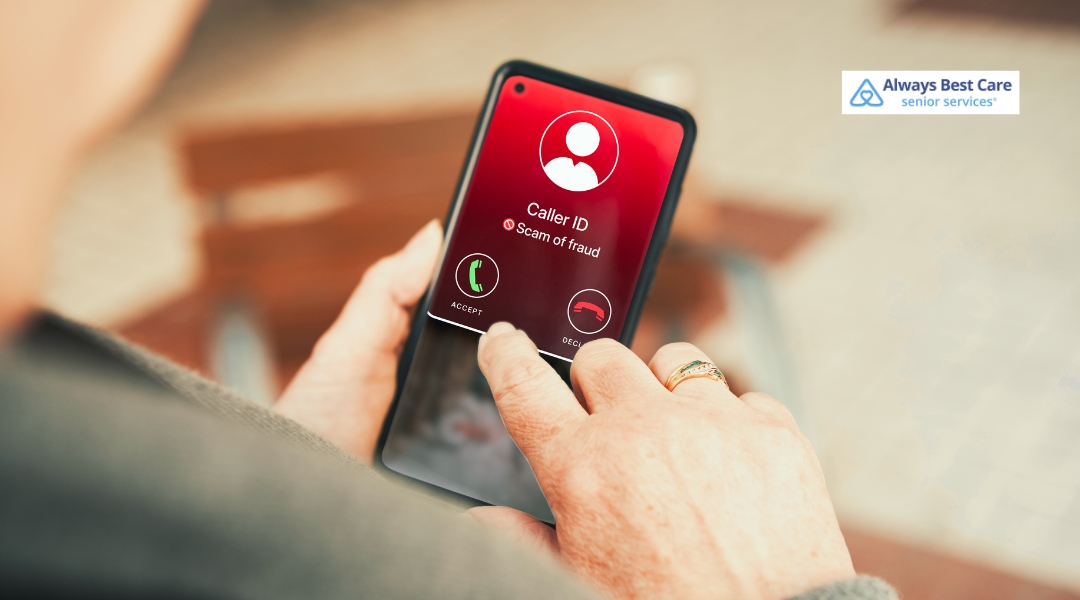
Fraudsters may call pretending to be:
- Government agencies (like the IRS or Social Security)
- Utility companies are threatening to shut off service
- Banks or credit card companies
- A grandchild or other relative in trouble
They often create a sense of panic or urgency—“Pay now or you’ll be arrested!” or “Grandma, I need money right away!”—to push seniors into reacting before they have time to think.
Email and Phishing Scams
These scams usually arrive as:
- Emails or texts claiming to be from a bank, delivery company, or medical provider
- Messages saying there’s a “problem with your account.”
- Links that lead to fake websites that look real but are designed to steal passwords or personal data
One careless click, and a scammer may gain access to private information.
Sweepstakes and Lottery Scams
These schemes dangle the promise of a huge prize:
- “You’ve won the lottery!”
- “Your name was randomly selected!”
But there’s a catch—your loved one is told they must pay taxes, fees, or processing costs upfront. Of course, the prize never arrives.
Romance Scams
Online relationships can feel very real, even if they’re built entirely through messages or calls. Romance scammers:
- Build trust over weeks or months
- Share personal “stories” to gain sympathy
- Eventually ask for money—often for a supposed emergency, medical bill, or travel
By that point, the senior may feel emotionally attached and eager to help.
Tech Support Scams
These scams often begin with:
- A pop‑up on a computer claiming there’s a virus
- A phone call from someone claiming to be “tech support.”
The scammer may ask for remote access to the computer or demand payment for fake repair services. Once inside, they may steal information or install harmful software.

Warning Signs of Senior Scams
Most scams follow familiar patterns. If we keep an eye out for red flags, we’re already one step ahead. Watch for:
- Pressure to act immediately or “before it’s too late.”
- Requests for odd payment methods like gift cards, wire transfers, or cryptocurrency
- Unsolicited calls, emails, or texts asking for Social Security numbers, bank details, or passwords
- Messages that stir up fear, panic, or secrecy
- Requests to keep things quiet—“Don’t tell your family; they’ll just worry.”
If something doesn’t sit right, that’s a sign to slow down, hang up, or get a second opinion.
How Families Can Help Protect Loved Ones in Mt. Clemens
Family support can make all the difference. Even simple, regular conversations can reduce risk. Helpful steps include:
- Talk openly about scams
Share examples and stories, and remind your loved one that scammers can sound very convincing. - Encourage “check first” habits
Ask seniors to call a trusted family member before sending money or sharing personal information. - Keep an eye on financial accounts
Watch for unusual withdrawals, new credit cards, or sudden changes in spending. - Use call blocking and filters
Set up caller ID, spam filters, and email protections to cut down on suspicious contacts. - Reassure, don’t blame
Seniors may feel embarrassed if they’ve been tricked. A kind, non‑judgmental conversation often opens the door to honesty.
Creating a safe space where they can say, “Something strange happened—what do you think?” is one of the best protections we can offer.
The Role of In‑Home Care in Scam Prevention
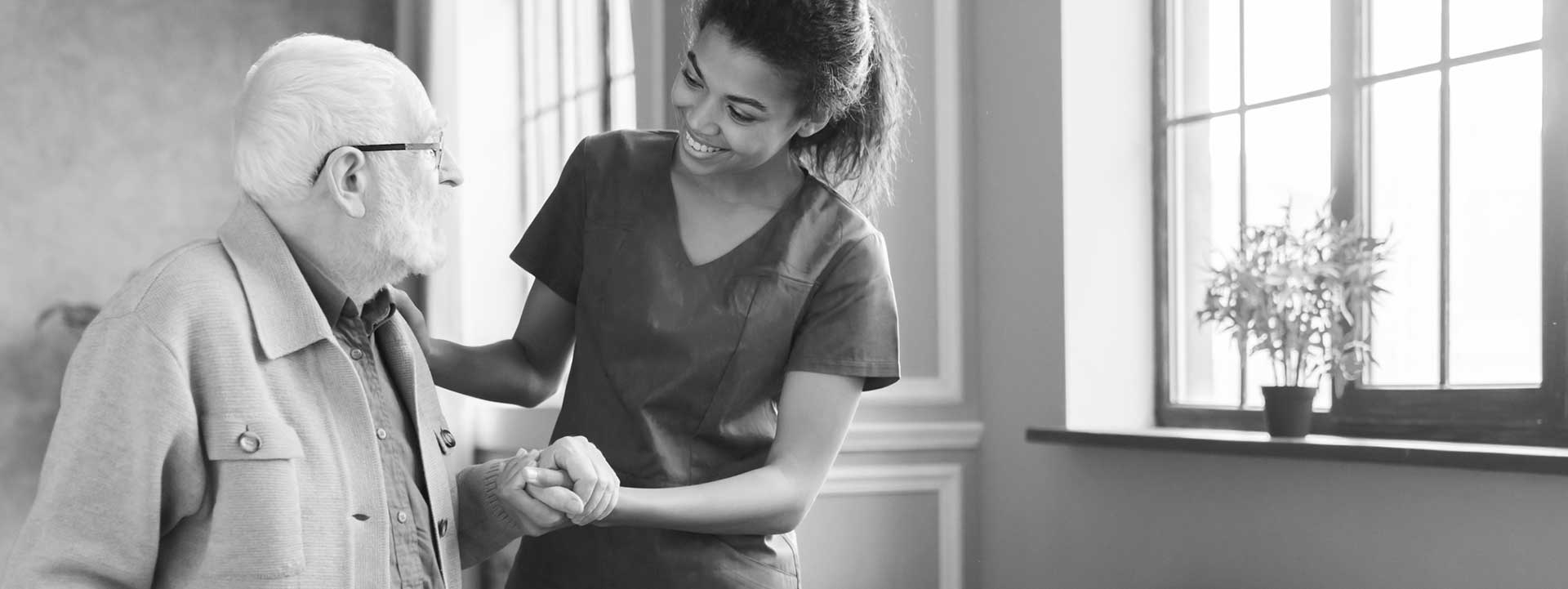
A trusted in‑home caregiver doesn’t just help with daily tasks. They can also serve as an extra set of eyes and ears. At Always Best Care of Mt. Clemens, we focus on safety in real, everyday ways. We can:
- Help screen phone calls and visitors so suspicious contacts don’t slip through
- Notice sudden behavior or money-related changes, like anxiety about bills or secretive phone use
- Provide steady companionship, which reduces isolation—a major risk factor for scams
- Encourage open communication with family about financial decisions and unusual requests
By being present and engaged, we help seniors feel less alone and more confident saying “no” to pushy strangers.
What to Do If You Suspect a Scam
Think your loved one may have been targeted—or already taken in? Acting quickly can limit the damage. Steps to take:
- Contact the bank or credit card company right away
Ask them to freeze or monitor accounts, dispute charges, and issue new cards if necessary. - Report the scam
Reach out to local law enforcement or adult protective services in Mount Clemens. They may be able to investigate and prevent further harm. - Watch for continuing activity
Keep checking statements for new charges, withdrawals, or new accounts opened in your loved one’s name. - Offer emotional support
Many seniors feel ashamed or afraid they’ll be judged. Remind them scammers are professionals at manipulation—and they’re not at fault for being targeted.
FAQ
Q: What’s the biggest red flag of a senior scam?
A: Any request for urgent payment—especially by gift card, wire transfer, or cryptocurrency—is a major warning sign.
Q: How can we talk about scams without scaring our loved ones?
A: Focus on empowerment. Frame it as “We’re a team, and we want you to feel confident and informed,” rather than focusing on fear or vulnerability.
Q: Are online scams really that common for seniors?
A: Yes. As more services move online, scammers increasingly use email, social media, and text messages to target older adults.
Q: How can Always Best Care of Mount Clemens help protect my loved one from scams?
A: We provide caregivers who can help monitor for suspicious calls or visitors, offer companionship, and encourage open conversations about money and safety.
Q: What should my loved one do if they get a suspicious call?
A: Hang up, don’t share personal information, and talk to a trusted family member or us at Always Best Care of Mount Clemens before taking any action.
Protect What Matters Most from Senior Scams
Senior scams may be getting more clever, but they’re not unstoppable. With awareness, honest conversations, and the right support, families can shield their loved ones from many of these threats.
At Always Best Care of Mt. Clemens, we’re committed to helping seniors feel safer, more confident, and better supported at home. If your loved one could use extra help with daily life, companionship, and scam awareness, we’re ready to walk that road with you—one careful, caring step at a time.
Contact Always Best Care of Mt. Clemens at (586)488-4245 to learn more and schedule your consultation.
Link to the Markdown File version of this article.