

Falling Back in Mount Clemens: Helping Seniors Adjust to Shorter Days by Lake St. Clair

The end of daylight saving time brings an extra hour of sleep, but the adjustment can still catch older adults off guard. In Michigan, clocks will move back one hour on Sunday, November 1, 2026, making mornings brighter and evenings darker earlier.
For seniors, that shift may affect sleep, meals, medication reminders, mobility, and daily activities. Darker evenings can also raise fall risk, especially on poorly lit stairs, walkways, and driveways. A little preparation now can make the seasonal change easier, help family caregivers stay ahead of new routines, and help loved ones stay safe and comfortable at home.
What you will learn:
- Simple ways to help your loved one ease into the new sleep schedule, one small step at a time.
- How to keep medication routines on track and stress-free when the clocks change.
- Cozy, practical tips for brightening the home and lowering fall risk as evenings get darker.
- Friendly ideas for safer travel, staying active, and keeping seniors happily connected all season long.

Table of Contents
Ease Into a New Sleep Schedule
Our internal clocks respond to daylight, meals, activity, and bedtime habits. Changing the clock by one hour can temporarily upset that rhythm.
A few days before the time changes, encourage your loved one to move to bedtime and wake-up time gradually. Keeping meals and daytime activities on a steady schedule can help, too.
Morning light is especially useful. Open the curtains after waking, sit near a sunny window, or enjoy a short outdoor activity during the day. Try to keep naps brief and avoid late-afternoon sleeping, which may make nighttime rest more difficult.
Review Medication Routines
Many older adults take medications at set times connected to meals, waking, or bedtime. For most prescriptions, a one-hour clock change isn’t a problem. Still, some medicines require precise timing.
Families shouldn’t adjust prescription schedules without first asking a doctor or pharmacist. Before the clocks change, check:
- Medication lists and pill organizers
- Alarm and reminder settings
- Refill dates
- Instructions connected to meals or bedtime
A quick review can prevent confusion once the new schedule begins.

Brighten the Home Before Dark
Earlier sunsets can make familiar rooms and walkways harder to navigate. Changes in vision, balance, or depth perception may increase the risk of trips and falls.
Walk through the home during the late afternoon and evening. Look closely at:
- Hallways and stairways
- Bathrooms
- Entryways
- Bedroom-to-bathroom paths
- Areas near chairs, tables, and rugs
Add brighter bulbs, nightlights, or motion-activated lighting where needed. Keep switches easy to reach, and make sure outdoor entrances and walkways are well lit.
Rethink Evening Driving
Driving after sunset may become more challenging with age. Glare from headlights, reduced contrast, and difficulty seeing pedestrians or road markings can make familiar routes feel less comfortable.
Whenever possible, schedule errands and appointments earlier in the day. Family members, friends, community transportation, or caregivers may help with evening rides. The goal isn’t to take away independence—it’s to support safer choices.
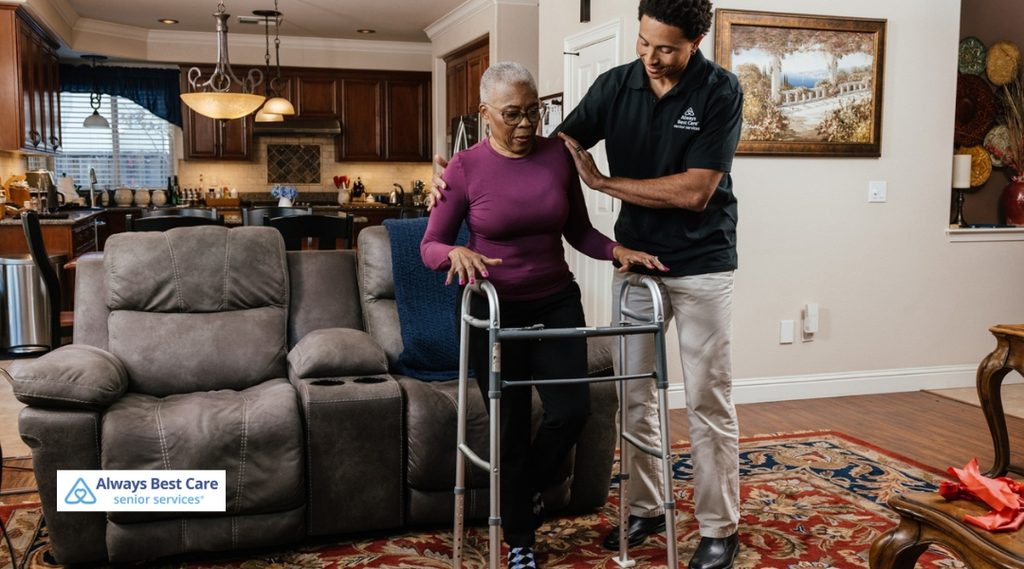
Watch for Fall Hazards in Mount Clemens, MI
Autumn leaves can hide uneven pavement, steps, cords, and other obstacles around Mount Clemens homes. Wet leaves may also become slippery.
Encourage seniors to:
- Wear supportive, well-fitting shoes
- Keep pathways clear of clutter and loose rugs
- Use handrails on stairs
- Avoid rushing to answer the door or reach the bathroom
- Carry a flashlight when walking outdoors after dark
Fear of falling deserves attention, too. A senior who stops moving around may gradually lose strength and confidence. Gentle daytime activity and steady support can help maintain independence.
Keep Evenings Social and Meaningful
Shorter days may lead some seniors to spend more time alone. Watch for changes in sleep, appetite, mood, or interest in favorite activities.
Plan daytime visits, phone calls, hobbies, walks, and community outings. A predictable routine can offer comfort while the body adjusts to the new light schedule.

Shorter Days, Safer Seniors: Get Mount Clemens Care Support Today
The clock change takes a moment, but getting used to darker evenings can take longer. Families can make the transition smoother by planning ahead for sleep schedules, medication reminders, lighting, transportation, and walking areas.
Always Best Care of Mount Clemens, MI supports seniors through seasonal changes and everyday routines. Our in-home care helps with daily tasks and safety around the house, and our companionship services offer friendly conversation and engagement during the shorter, darker days. Call us at (586)488-4245 to arrange a care consultation and learn more about how we can help your loved one stay comfortable at home.
FAQ
Q: When does daylight saving time end in Michigan in 2026?
A: Daylight saving time ends at 2 a.m. on Sunday, November 1, 2026. Clocks move back one hour.
Q: Should medication times change after the clocks move back?
A: Not necessarily. Ask the prescribing doctor or pharmacist before changing any medication schedule, particularly when timing is important.
Q: How can families reduce nighttime fall risks?
A: Improve lighting, remove clutter and loose rugs, clear walking paths, and add nightlights between the bedroom and bathroom.
Q: Can Always Best Care of Mount Clemens, MI help during the time change?
A: Yes. We can provide companionship, transportation assistance, medication reminders, help with routines, and personalized in-home support.