
Senior Mental Health in Columbia: Small Reasons to Look Ahead

A friendly call, a favorite activity on the calendar, or a comforting daily routine can give an ordinary week a little lift. For older adults in Columbia, having something pleasant ahead may feel especially meaningful after retirement, the loss of a spouse, or changes in health and mobility.
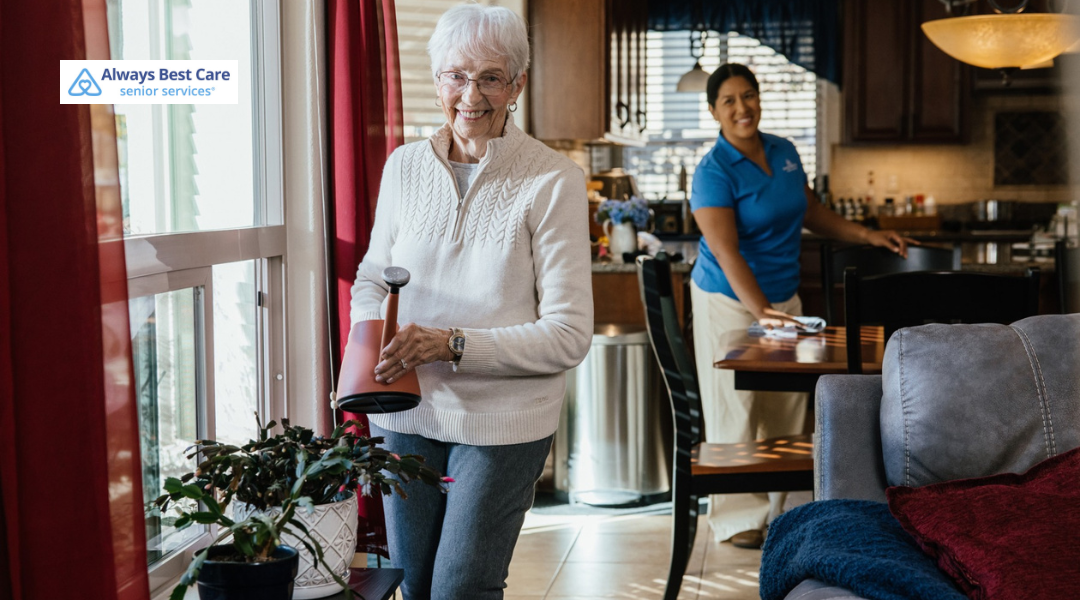
Simple routines, like tending plants each morning or enjoying an afternoon walk, can add structure and small moments to look forward to. When one day starts to feel much like the next, activities and relationships that matter can help bring back interest, motivation, and a sense of fulfillment.
What You Will Learn
- How simple plans can make daily life feel richer
- Ways to find purpose after retirement
- How to keep hobbies enjoyable and meaningful
- Ideas for making room for social connection
- How to balance activities with time to rest
Table of Contents
Why Looking Ahead Can Support Senior Mental Health
An upcoming activity gives someone time to think about what they’d enjoy, make choices, and look forward to the experience before it happens. It could be lunch with a friend, a visit from grandchildren, a community event, or a book club gathering. Remembering dates, making decisions, arranging details, and picturing the day also keep the mind engaged.
Meaningful plans don’t guarantee protection from depression or memory loss. They can still make everyday life more interesting and emotionally rewarding.

Finding Purpose After Retirement
Work often provides structure, responsibilities, social time, and a sense of accomplishment. Retirement can bring freedom, but the routines that once shaped the week may disappear. Similar gaps can follow changes in driving, physical abilities, or involvement in community activities. The link between routines and day-to-day life can shift, too.
A new source of purpose can be modest and still matter. Some older adults enjoy volunteering, mentoring, religious groups, or helping maintain family traditions. Others may prefer gardening, caring for plants, learning something new, or working on a creative project. The best choice is something that feels worthwhile and gives a reason to stay involved.
Hobbies in Columbia Can Keep Life Engaging
Hobbies can invite learning, creativity, problem-solving, and focused attention. Someone who enjoys cooking might try a new recipe, while a person drawn to family history could sort photos or look into relatives’ stories. Music, painting, woodworking, puzzles, and writing are other ways to spend time with interest.
The point is to enjoy the activity, not to be perfect at it. Interests may change with age, and a favorite pastime may need a simpler version if vision, arthritis, or lower energy make it harder. Adjusting the activity can help keep it pleasant rather than frustrating.
Social Plans in Columbia Help Maintain Connection
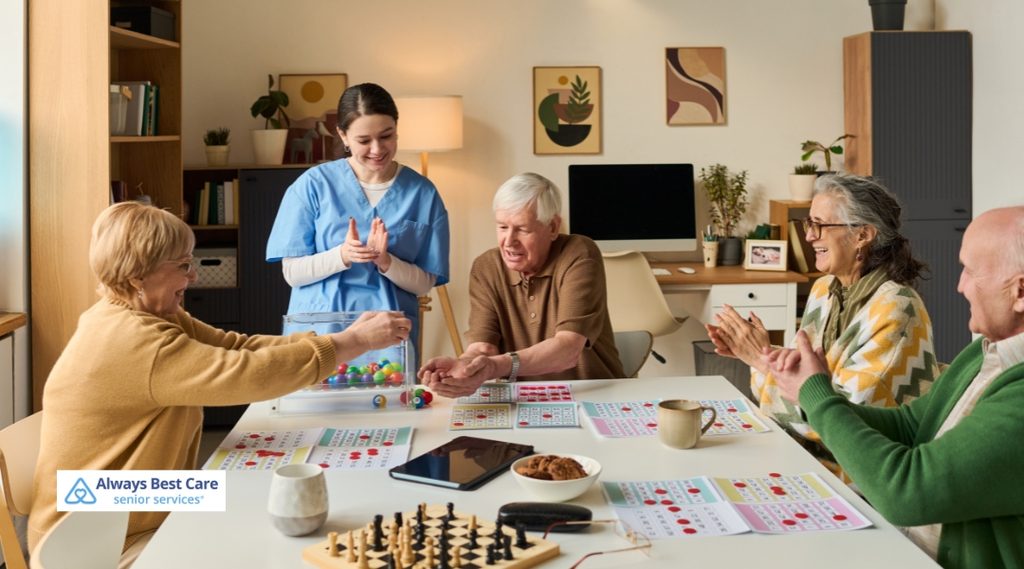
Friends may move, loved ones may pass away, and transportation or mobility barriers can make visits harder. Regular plans help older adults keep relationships going and create chances to meet people. Families might arrange:
- A weekly coffee or lunch with a friend
- Time with grandchildren or other relatives
- A class or group activity in the community
- A regular phone or video call
- A faith gathering or volunteer opportunity
Even a familiar afternoon visit can become a welcome point in the week. For someone who has trouble getting out, staying socially active may take a little extra planning.
Keep Plans Manageable and Chosen Together
A big outing isn’t necessary. A favorite show, a Sunday phone call, a library visit, or baking at home can be just as meaningful. Ask your loved one what sounds enjoyable instead of arranging every detail for them. Sharing the choices supports independence and helps keep plans in line with their interests.
Leave space for quiet and rest, too. A crowded calendar can be tiring, and some older adults would rather have a few simple plans than frequent activities.

How Always Best Care of Columbia Can Help
When an older adult lives alone or finds it difficult to leave home, keeping up social connections can take effort. Family members may want to help while balancing work and other responsibilities. Our caregivers can offer companionship and practical support, such as a ride to an event, company on an outing, help with a favorite hobby, or a conversation over coffee. We respect each person’s interests and abilities, and regular companionship can give the week something familiar to anticipate.
Frequently Asked Questions
Q: What can someone look forward to if going out is difficult?
A: A plan can be simple and home-based, such as a phone call, baking, a favorite show, or time with a hobby. Ask what sounds enjoyable and adapt the activity to the person’s energy and abilities.
Q: Do enjoyable activities prevent depression or memory loss?
A: No activity can guarantee protection from depression or memory loss. Meaningful plans can add interest and emotional reward to the day, while concerns about mood or memory should be discussed with a healthcare professional.
Q: How can family members help without taking over?
A: Start by asking what your loved one would like to do, then offer help with details if they want it. Letting them guide the choices keeps plans connected to their preferences and supports independence.
Q: How many activities should we plan?
A: There isn’t one right number. Pay attention to whether plans feel enjoyable or tiring, and leave room for rest and quiet time.

Bring More Joy to Your Loved One’s Day
A good reason to look ahead doesn’t have to be a major event. In Columbia, families can help older adults find purpose, enjoy hobbies, and stay connected through small plans that feel right for them. A little variety can make the week more engaging and give each person something pleasant to anticipate.
If your loved one could use companionship and help staying socially active, call Always Best Care of Columbia at (803)232-7602 to discuss a care consultation.