
Life After Stroke in Argyle: How In-Home Care Helps Seniors Rebuild at Home
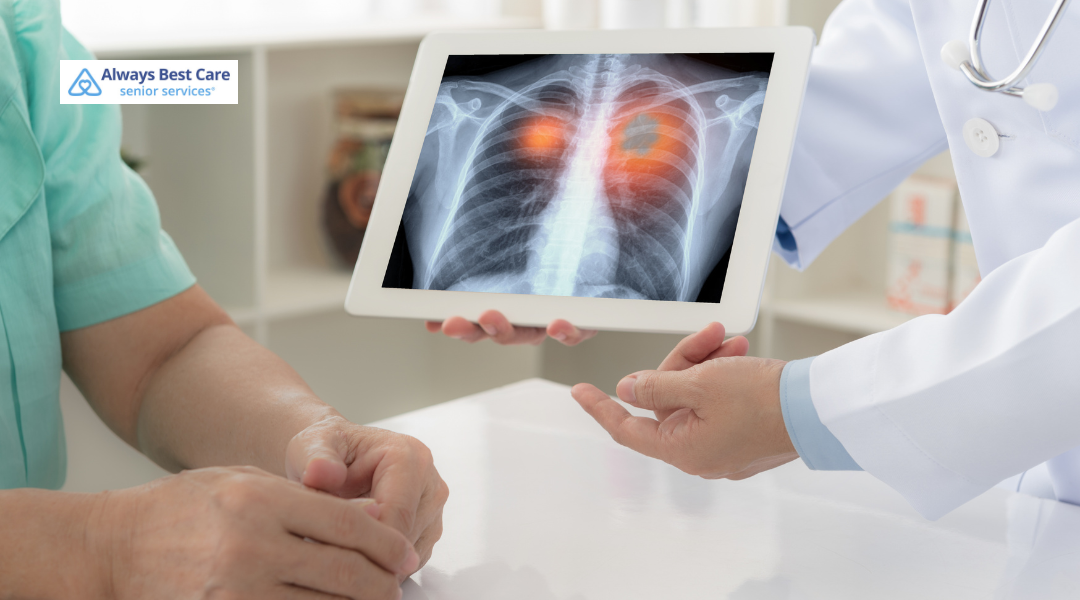
Stroke recovery doesn’t wrap up once the hospital doors close; in many ways, that’s where the real work begins. For seniors in Argyle, the home environment can be both comforting and challenging after a stroke, especially when mobility, memory, or speech are affected.
With the right in-home care, families don’t have to shoulder everything alone. Thoughtful support in familiar surroundings helps stroke survivors rebuild strength, relearn daily tasks, and find their footing again, one small victory at a time.
What You Will Learn:
- Why recovering at home can improve comfort, confidence, and outcomes for stroke survivors.
- How in-home caregivers support daily tasks, mobility, and safety during recovery.
- Ways personalized care plans and therapy support help seniors regain independence.
- How families in Argyle benefit from added support and reduced caregiver stress.
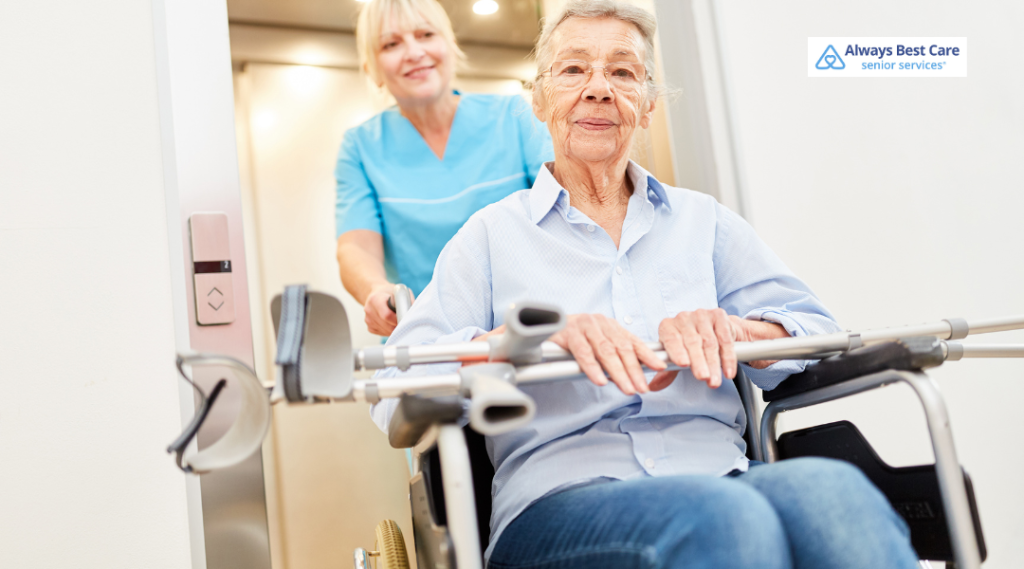
Table of Contents
Why Home Is Powerful for Stroke Recovery in Argyle
For many stroke survivors, nothing feels quite as reassuring as their own favorite chair, their own kitchen, and their own neighborhood views. Home isn’t just a place; it’s a powerful tool in recovery.
Being at home in Argyle can:
- Reduce stress and confusion compared to unfamiliar facilities
- Support better sleep and nutrition with familiar routines
- Encourage participation in therapy exercises in real-life settings
- Help seniors stay connected to neighbors, friends, and local community
That comfort can make the hard work of recovery just a little easier to face each day.
The Role of In-Home Care After a Stroke
In-home care bridges the gap between hospital-level help and total independence. Rather than leaving families to juggle work, caregiving, and household tasks alone, caregivers step in with practical, everyday support.
After a stroke, in-home care can include:
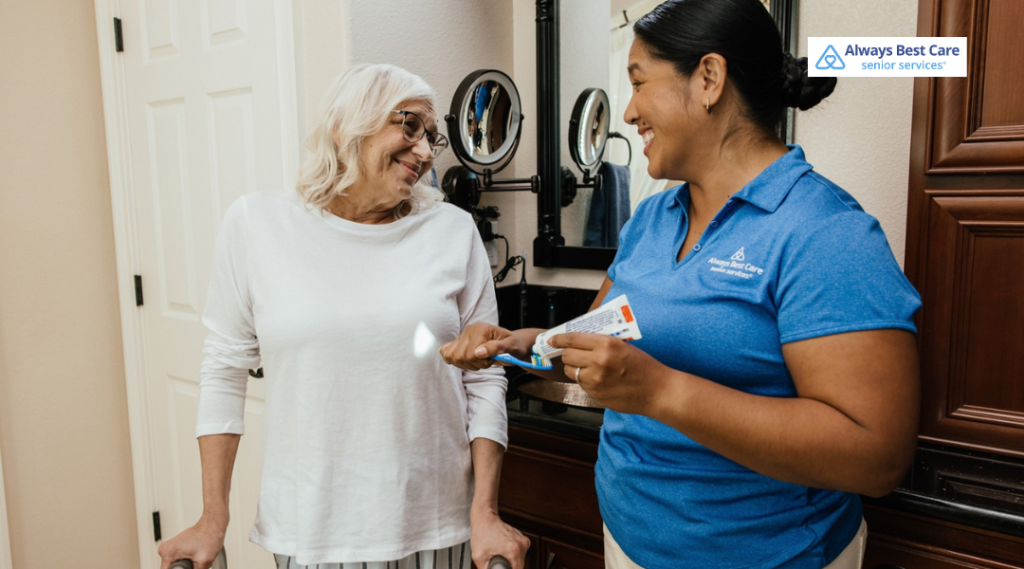
- Assistance with bathing, dressing, and grooming
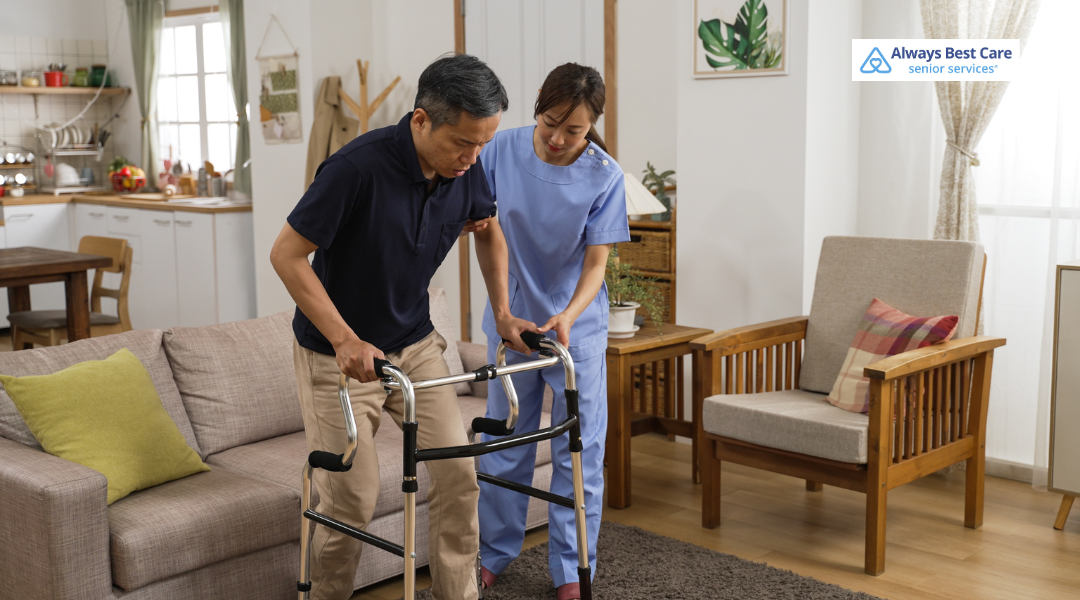
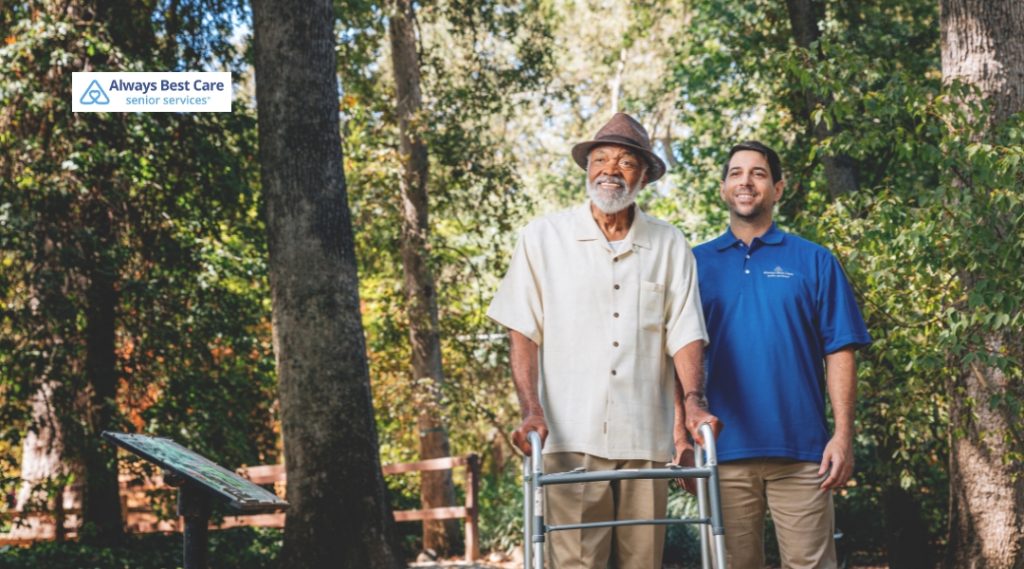
- Safe transfers from bed to chair, and help with walking
- Medication reminders and monitoring for concerning changes
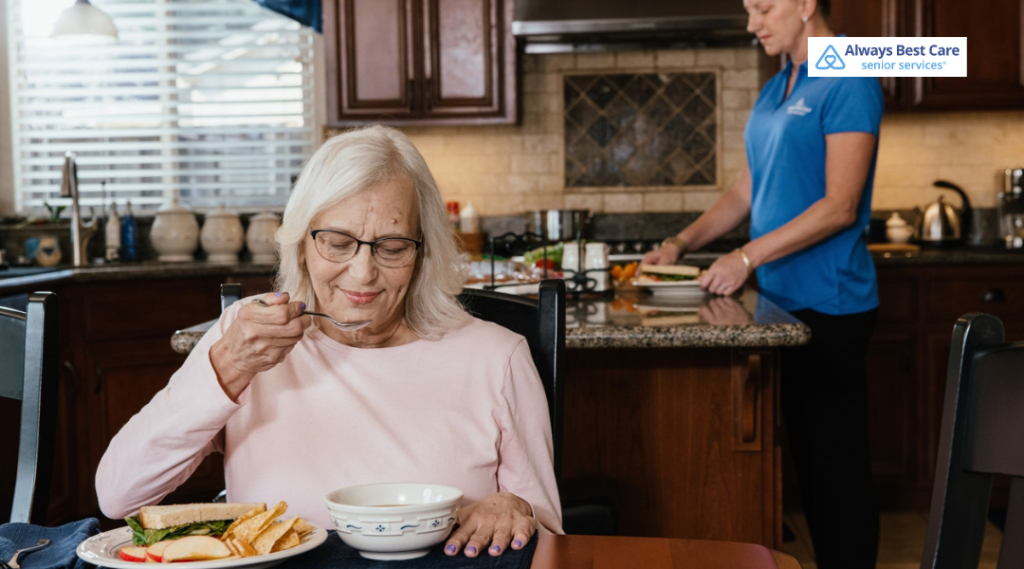
- Help preparing healthy meals and staying hydrated
- Light housekeeping to keep pathways clear and safe
Instead of one-size-fits-all care, support is tailored to what the stroke survivor can do today, with an eye toward what they’re working toward tomorrow.
Personalized Care Plans for Argyle Stroke Survivors
No two strokes are exactly alike, and recovery paths are just as unique. That’s where personalized care plans come in handy. They’re built around the senior’s specific abilities, medical recommendations, and personal goals.
A stroke-focused care plan at home may cover:
- Mobility goals, like walking from the bedroom to the bathroom with less help
- Safety strategies to prevent falls and avoid re-hospitalizations
- Support for speech and memory practice as recommended by therapists
- Scheduling and transportation to follow-up appointments and therapy
- Emotional support to manage frustration, sadness, or anxiety
As progress happens, the plan can be adjusted, dialing support up or down so the senior keeps moving forward without feeling overwhelmed.

Promoting Independence Instead of Dependence
After a stroke, it’s tempting to do everything for a loved one “just to be safe.” The trouble is, too much help can unintentionally chip away at confidence. In-home care aims to strike a balance: protect safety while encouraging independence.
Caregivers often:
- Break tasks into smaller, manageable steps
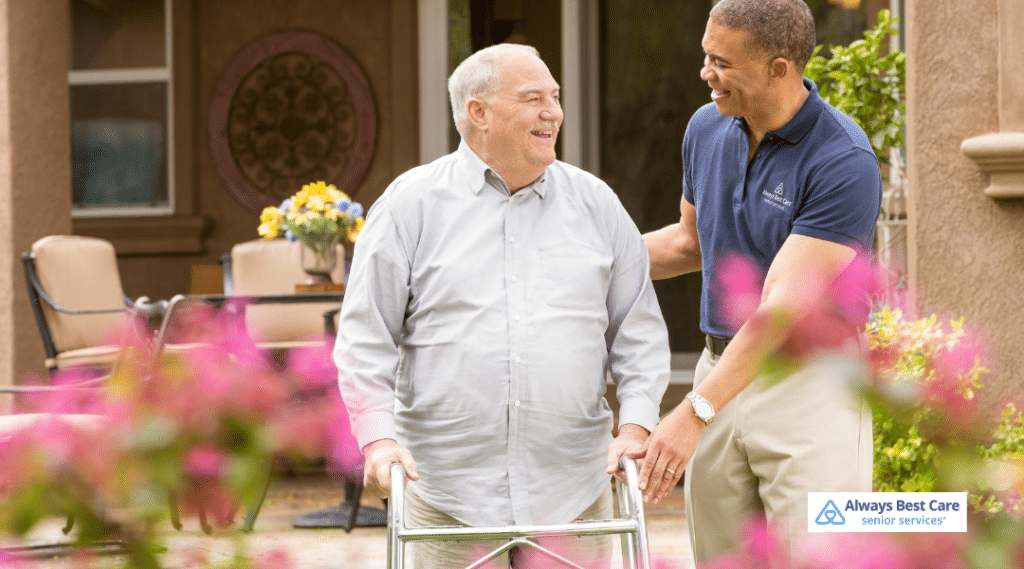
- Offer a steady hand or standby support instead of taking over
- Use cues and gentle reminders rather than rushing the task
- Celebrate small wins, like buttoning a shirt or climbing a few stairs
That steady encouragement can help seniors in Argyle feel capable again, not sidelined by their stroke.

Supporting Therapy and Exercise at Home
Rehab doesn’t live only in the clinic. Once therapists show exercises, they’re most effective when repeated consistently at home. That’s where in-home care can make a real difference.
Caregivers can:
- Set aside time each day to go through prescribed exercises
- Help with correct positioning, safety, and pacing
- Incorporate therapy into daily routines, like practicing balance while standing at the sink
- Keep track of what was done and how it felt, so therapists get useful feedback
With that kind of follow-through, gains made in therapy sessions are more likely to stick and grow over time.
Emotional and Social Support for Stroke Survivors
Stroke recovery isn’t just physical; it can shake a person’s confidence, identity, and mood. Seniors may feel frustrated, embarrassed, or worried they’re a burden. That emotional weight can slow healing if it’s ignored.
In-home caregivers provide:
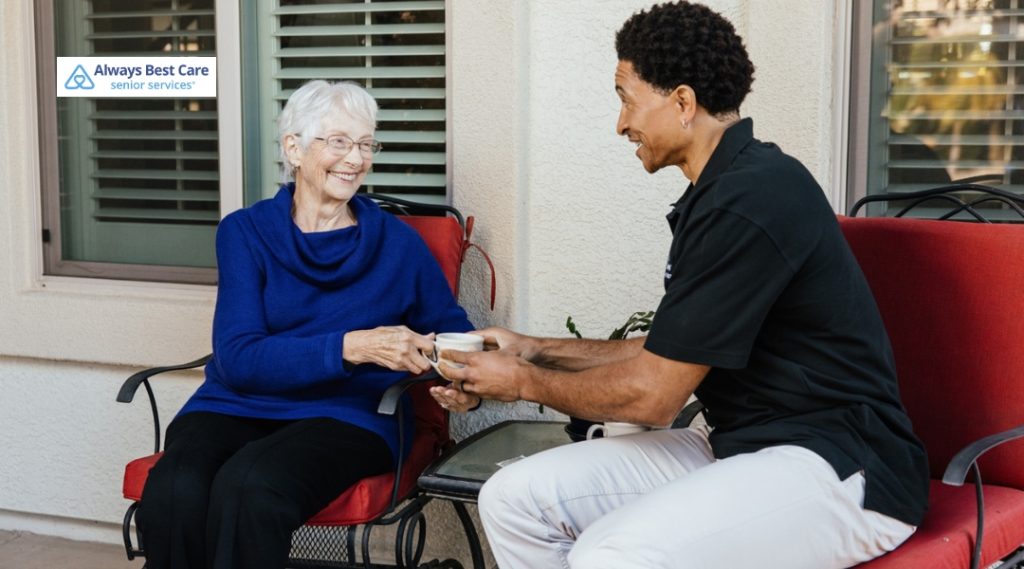
- Friendly conversation and companionship throughout the day
- A listening ear when the survivor needs to vent or express fears
- Gentle encouragement during tough moments or setbacks
- Help staying socially connected through calls, video chats, or short outings
Staying engaged and supported in familiar Argyle surroundings can soften the emotional ups and downs that often follow a stroke.

Keeping Argyle Homes Safe and Stroke-Friendly
A home that once felt perfectly safe can turn tricky after a stroke. Narrow spaces, throw rugs, and dim lighting can quickly turn into fall hazards. Thoughtful adjustments can make daily movement much safer.
Common safety improvements include:
- Removing clutter and loose rugs from walking paths
- Adding grab bars in bathrooms and near steps
- Improving lighting in hallways and entryways
- Setting up chairs with arms to make standing easier
- Positioning frequently used items at waist height to avoid bending or reaching
In-home care providers can help families spot potential problems and suggest practical fixes that fit the home and budget.
How In-Home Care Supports Family Caregivers in Argyle
Family caregivers often pour themselves into helping a loved one recover, sometimes at the expense of their own health and rest. Over time, that pace can lead straight to burnout. Regular in-home care gives families breathing room.
Benefits for family caregivers include:
- Scheduled breaks to rest, run errands, or go to work
- Peace of mind knowing their loved one isn’t alone
- Help with physically demanding tasks like transfers or bathing
- Guidance and reassurance from professionals used to post-stroke needs
With that support, families can stay involved and loving, without stretching themselves past the breaking point.
FAQs About In-Home Stroke Recovery in Argyle
Q: How does in-home care help stroke survivors recover at home in Argyle?
A: In-home care provides hands-on help with daily tasks, mobility, and safety, while also reinforcing therapy exercises and offering companionship. That blend of support helps stroke survivors regain confidence and independence in familiar surroundings.
Q: Is recovering at home after a stroke safe for Argyle seniors?
A: Recovering at home can be safe when the environment is adjusted for fall prevention and the senior has an appropriate level of support. A customized in-home care plan and clear medical guidance are key parts of a safe recovery.
Q: What daily tasks can caregivers help stroke survivors with at home?
Caregivers commonly assist with bathing, dressing, grooming, walking, toileting, meal preparation, medication reminders, and light housekeeping. They focus on promoting safety while gently encouraging the senior to do as much as they can.
Q: Can in-home care work alongside physical, occupational, and speech therapy?
A: Yes, in-home care nicely complements professional therapy by practicing prescribed exercises between appointments. Caregivers help integrate therapy into everyday routines, which can boost results and keep progress moving.
Q: How can family caregivers in Argyle avoid burnout while helping a stroke survivor?
Scheduling regular in-home care visits, asking for help from relatives or friends, and taking breaks for sleep, hobbies, and social time all reduce burnout. Sharing responsibilities instead of handling everything alone makes caregiving more sustainable.
Support Stroke Recovery at Home with Compassionate Care
Stroke recovery is a marathon, not a sprint, and for many Argyle seniors, the most meaningful strides happen inside their own homes. With in-home care tuned to their needs and goals, stroke survivors can practice new skills, stay safe, and reclaim daily routines without leaving the comfort of familiar walls. Families gain support, seniors gain confidence, and the home becomes a powerful partner in healing rather than a daily obstacle course.
Contact Always Best Care of Argyle at (940) 360-5011 to learn more and schedule your free consultation.
Link to the markdown version of this blog.