

Improving Respiratory Health for Seniors: Helpful Breathing Tips in Argyle, TX

For many older adults, breathing becomes more of a conscious effort with each passing year. Whether it’s climbing a flight of stairs, keeping up with grandchildren, or simply getting through a full night’s sleep, respiratory health quietly shapes the quality of everyday life. In Argyle, TX, families and caregivers are increasingly looking for practical ways to support their loved ones’ lung health—without waiting for a crisis to act.
Understanding what affects senior respiratory health, and what can realistically be done about it, is a meaningful first step.
What You Will Learn:
- How aging affects breathing and lung function in seniors.
- Common respiratory conditions and early warning signs.
- Practical ways to improve indoor air quality and daily habits.
- How caregivers support respiratory health and independence.

Table of Contents
How Aging Changes the Way We Breathe
The lungs, like every other system in the body, change with age. Chest wall muscles gradually lose strength, lung tissue becomes less elastic, and the airways can narrow over time. These shifts don’t happen overnight, but their cumulative effect can leave seniors more winded, more fatigued, and more susceptible to illness.
Respiratory conditions commonly seen in older adults include:
- Chronic obstructive pulmonary disease (COPD)
- Asthma
- Pneumonia
- Bronchitis
- Sleep apnea
- Reduced overall lung capacity
What makes these conditions particularly challenging is how they interact with other aspects of aging—reduced mobility, weakened immune response, and increased medication use can all complicate respiratory management.

The Home Environment Matters More Than Most People Realize
Indoor air quality is often overlooked, yet it has a direct impact on how well seniors breathe day to day. Dust mites, pet dander, mold spores, and chemical fumes from cleaning products can all act as triggers—especially for those with asthma or COPD.
Practical steps to improve indoor air quality:
- Replace HVAC filters every 1–3 months
- Use a HEPA air purifier in frequently used rooms
- Keep humidity levels between 30–50% to discourage mold growth
- Eliminate or limit the use of aerosol sprays and heavily scented products
- Ensure adequate ventilation, particularly in bathrooms and kitchens
- Vacuum regularly using a vacuum with a HEPA filter
Small environmental adjustments can make a noticeable difference, particularly for seniors who spend most of their time indoors.

Daily Habits That Strengthen Lung Health
Lifestyle plays a significant role in how well the respiratory system functions over time. Seniors don’t need an intensive fitness regimen to see benefits—consistency with simple habits is what matters most.
Habits worth building into the daily routine:
- Gentle movement: Walking, chair yoga, or light stretching helps maintain respiratory muscle strength and circulation
- Diaphragmatic breathing: Practicing slow, deep breaths from the belly—rather than shallow chest breathing—can improve lung efficiency
- Hydration: Staying well-hydrated keeps mucus thin and airways clear
- Nutrition: A diet rich in antioxidants (berries, leafy greens, nuts) supports lung tissue health
- Vaccinations: Annual flu shots and pneumonia vaccines significantly reduce the risk of serious respiratory illness
These habits are most effective when they’re consistent and supported by those around the senior—whether family members, friends, or professional caregivers.

Managing Existing Respiratory Conditions
For seniors already living with a diagnosed respiratory condition, daily management is essential to preventing flare-ups and hospitalizations.
Effective management typically involves:
- Taking prescribed medications on schedule—including maintenance inhalers, not just rescue inhalers
- Learning and using proper inhaler technique (many patients use them incorrectly)
- Tracking symptoms in a simple journal to identify patterns or early warning signs
- Scheduling regular checkups with a pulmonologist or primary care provider
- Having a written action plan for what to do if symptoms worsen
Caregiver involvement is particularly valuable here. Having someone who can help track medications, notice changes in breathing patterns, and facilitate timely medical visits can prevent minor issues from escalating.
Warning Signs That Shouldn’t Be Ignored
Knowing when to seek help is just as important as day-to-day management. Families and caregivers should be familiar with the signs that indicate a senior’s respiratory health may be declining.
Seek prompt medical attention if you notice:
- Sudden or worsening shortness of breath
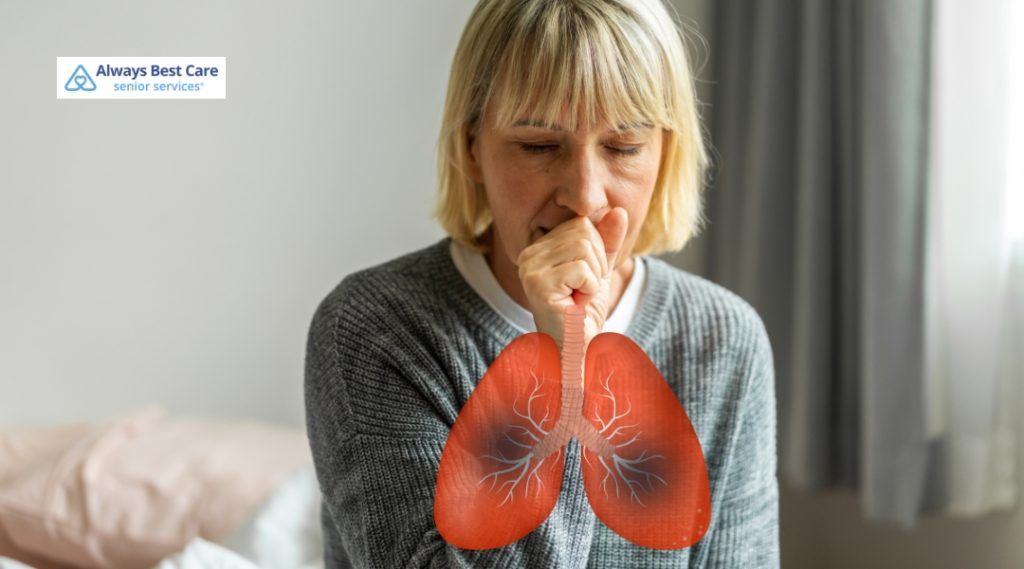
- Persistent coughing or wheezing
- Chest tightness or pain
- Unusual fatigue or difficulty completing routine tasks
- Confusion or disorientation (which can signal low oxygen levels)
- Bluish tint to the lips or fingertips
These symptoms should never be dismissed as “just part of aging.” Early intervention consistently leads to better outcomes.

How Always Best Care of Argyle, TX Can Help
Respiratory health management at home is rarely a one-person job. Always Best Care of Argyle, TX provides in-home caregiving support that helps seniors maintain safe, consistent daily routines—while giving families greater peace of mind.
Our caregivers can assist with:
- Medication reminders to ensure prescriptions are taken correctly and on time
- Light housekeeping to reduce allergens and maintain a clean environment
- Encouraging regular hydration and nutritious meals
- Supporting gentle physical activity and breathing exercises
- Monitoring for changes in symptoms and communicating concerns to family members
- Transportation to medical appointments and follow-up visits
For seniors with more complex needs, home health services can provide skilled nursing care and direct coordination with healthcare providers.
Breathing easier at home is possible—with the right support in place.

Frequently Asked Questions
Q: What are the most common respiratory conditions affecting seniors?
The most frequently diagnosed respiratory conditions in older adults include COPD, asthma, pneumonia, bronchitis, and sleep apnea. Many seniors live with more than one of these conditions simultaneously, which is why coordinated care and consistent monitoring are so important.
Q: How can I tell if my elderly parent is having trouble breathing?
Watch for signs like labored breathing, frequent sighing, unusual fatigue after minimal activity, persistent coughing, or reluctance to engage in activities they previously enjoyed. If you notice bluish lips or fingertips, confusion, or sudden breathlessness, seek medical attention immediately.
Q: Can exercise actually help seniors with respiratory conditions?
Yes—with appropriate guidance. Light, low-impact activities like walking, stretching, and chair-based exercises help maintain respiratory muscle strength and improve circulation. Always consult a healthcare provider before starting a new exercise routine, particularly if a chronic condition is involved.
Q: What indoor air quality changes make the biggest difference?
Replacing air filters regularly, using a HEPA air purifier, controlling humidity levels, and eliminating strong chemical fragrances tend to have the most immediate impact. Reducing clutter and vacuuming frequently also helps minimize dust and allergen buildup.
Q: How does in-home care support respiratory health management?
In-home caregivers provide consistent, day-to-day support that makes a real difference—medication reminders, light housekeeping, meal preparation, and symptom monitoring all contribute to better respiratory outcomes. They also serve as an important communication link between seniors and their healthcare providers.
Q: When should a senior with a respiratory condition see a doctor?
Routine checkups should happen at least annually, or more frequently if a condition is being actively managed. Outside of scheduled visits, any sudden change in symptoms—increased breathlessness, new chest pain, or worsening cough—warrants prompt medical attention.

Bring Comfort, Confidence, and Easier Breathing Home
At Always Best Care of Argyle, we provide compassionate in-home care for seniors managing respiratory conditions and chronic health needs. From medication reminders and meal preparation to maintaining a clean, low-irritant home environment, our caregivers help seniors stay safe, comfortable, and independent.
Contact Always Best Care of Argyle at (940) 360-5011 to learn more and schedule your free consultation.
Link to the markdown version of this blog.