

Supporting a Loved One in Argyle After an Alzheimer’s or Dementia Diagnosis

Hearing the words “Alzheimer’s” or “dementia” lands hard. In Argyle, where families are often closely knit and involved in each other’s lives, that diagnosis can instantly shift you from “son,” “daughter,” or “spouse” into “caregiver”—ready or not.
It’s normal to feel scared, sad, or unsure what to do next. The good news is you don’t have to figure it all out in one night. With small, steady steps, you can support your loved one and build a plan that makes life safer and more meaningful for everyone.
What You Will Learn:
- What to do after an Alzheimer’s or dementia diagnosis.
- How to support your loved one emotionally and practically.
- Ways to create a safer home and build supportive routines.
- How in-home care helps families manage daily challenges.

Table of Contents
Step One: Take Time to Understand the Diagnosis
Before you make big decisions, it helps to understand what this specific diagnosis means. “Alzheimer’s” and “dementia” are often used interchangeably, but dementia is the broader term; Alzheimer’s is one cause of dementia.
Ask the doctor:
- What type of dementia does my loved one have?
- What symptoms should we expect now—and in the near future?
- Which medications or treatments are being recommended, and why?
- How often should we schedule follow-up visits?
Write things down, bring another family member if possible, and don’t be shy about asking the same question more than once. Clarity now makes it easier to plan for later.
Supporting Your Loved One Emotionally
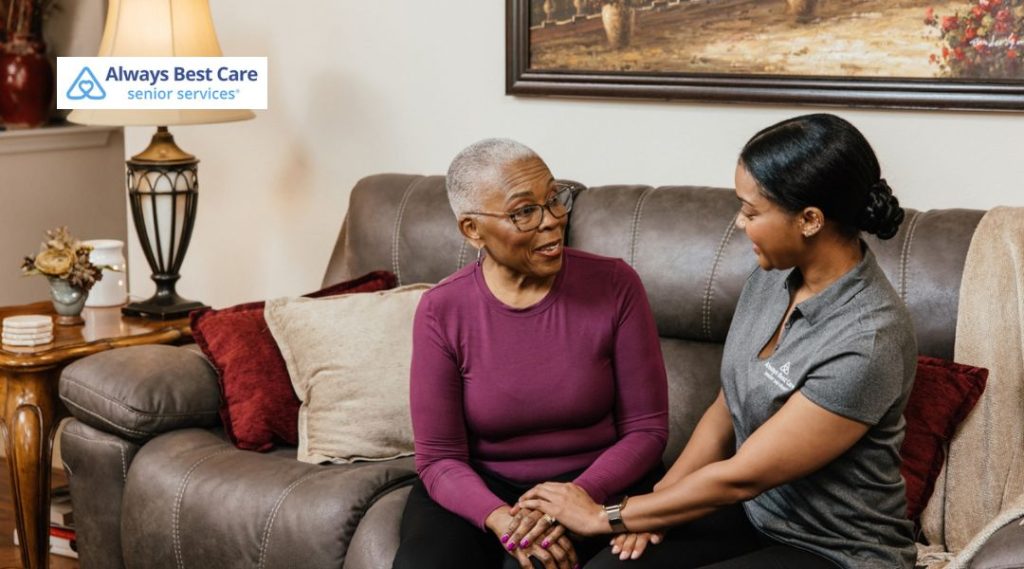
Your loved one may be just as scared and confused as you are—maybe more. They might worry about “losing themselves,” being a burden, or what will happen as the disease progresses.
You can help by:
- Listening without rushing to fix everything
- Acknowledging their feelings: “I can see this is really upsetting, and that makes sense”
- Reassuring them: “We’ll figure this out together. You’re not alone”
- Involving them in decisions while they can still clearly express preferences
Simple, everyday companionship—sharing coffee, watching shows together, taking short walks in Argyle—can be just as important as any formal care plan.
Creating a Safer, More Supportive Home Environment
Home is often where your loved one feels most comfortable, but it may need some tweaks to stay safe as memory and judgment change.
Practical changes include:
- Clearing clutter and trip hazards from hallways and frequently used rooms
- Adding nightlights in bedrooms, hallways, and bathrooms
- Labeling drawers and doors (for example, “Bathroom,” “Closet,” “Dishes”)
- Keeping important items—glasses, keys, phone—in the same visible spot
- Storing cleaning products, sharp tools, and medications out of easy reach
These adjustments can be made gradually, but the earlier you start, the more natural they’ll feel for your loved one.

Building Daily Routines That Bring Comfort
People living with Alzheimer’s or dementia often feel calmer when the day follows a predictable rhythm. Routines reduce the number of decisions they have to make and can lower anxiety.
Helpful routines might include:
- Waking up, eating meals, and going to bed around the same times each day
- Keeping morning self-care (washing, dressing, grooming) in the same order
- Planning simple activities—like walks, music, or puzzles—at roughly the same times
- Creating a gentle evening wind-down with familiar shows, quiet music, or reading
As the disease progresses, routines can be adapted—but keeping a consistent backbone to the day makes life feel less chaotic.

Communicating in Ways That Respect Dignity
Conversations may become trickier. Your loved one might repeat questions, lose words, or misunderstand instructions. How you respond matters just as much as what you say.
Try to:
- Speak slowly, using short, clear sentences
- Ask one question at a time
- Give extra time for responses—count to ten silently if you need to
- Use names and specific words instead of pronouns (“Your daughter, Maria, is visiting” instead of “She’s coming”)
- Gently redirect instead of correcting harshly when they’re confused
Respect and patience help preserve dignity, even as communication changes.

Taking Care of Legal and Practical Matters Early
It can feel uncomfortable, but talking about practical details early protects your loved one and gives them a voice in future decisions.
Topics to address include:
- Healthcare proxy or medical power of attorney
- Financial power of attorney
- Living will or advance directives
- Will and beneficiary designations
These conversations are easier when framed as planning, not doom: “We want to make sure your wishes are followed, no matter what happens down the road.”
How In-Home Care in Argyle Can Help
Family love is powerful—but it’s not a substitute for rest, backup, or specialized experience. In-home care can come alongside you, not replace you.
Caregivers can:
- Assist with bathing, dressing, grooming, and toileting
- Prepare meals, help with feeding if needed, and encourage hydration
- Provide supervision and companionship, reducing risks of wandering or accidents
- Support routines and activities that match your loved one’s abilities
- Give family caregivers regular breaks to rest, work, or spend time with other loved ones
For many Argyle families, bringing in home care is the moment things shift from “barely coping” to “we can handle this.”
Watching for Changes and Knowing When to Adjust Support
Alzheimer’s and dementia change over time. What works today might not work six months from now, and that’s not anyone’s failure—it’s the nature of the illness.
Watch for signs that more help may be needed:
- Increased falls, wandering, or safety close calls
- Greater difficulty with basic tasks, even with reminders
- More agitation, confusion, or nighttime restlessness
- Family caregivers feeling exhausted, sick more often, or emotionally drained
When these signs appear, consider increasing in-home care, adding respite care, or talking with healthcare providers about next steps.

Caring for Yourself While You Care for Them
Supporting a loved one with Alzheimer’s or dementia can be deeply meaningful and deeply draining at the same time. Ignoring your own needs doesn’t make you a better caregiver; it just makes burnout more likely.
Protect your own well-being by:
- Scheduling regular breaks, even short ones
- Accepting help when it’s offered—meals, errands, visits
- Joining a support group (local or online) to talk with people who “get it”
- Keeping up with your own medical appointments and sleep as best you can
Your loved one needs you for the long haul; taking care of yourself is part of taking care of them.

FAQs: Supporting a Loved One With Alzheimer’s or Dementia in Argyle
Q: What should I do first after an Alzheimer’s or dementia diagnosis?
A: Start by learning about the specific diagnosis, scheduling follow-up visits, and talking openly with your loved one about their wishes. Then, begin looking at home safety, daily routines, and what kind of help your family might need.
Q: How can I tell if memory changes are getting worse?
A: Watch for patterns: more frequent confusion, increasing difficulty with daily tasks, changes in mood or behavior, safety issues like getting lost or leaving appliances on,
and greater dependence on others for basics.
Q: When should we consider in-home care in Argyle?
A: It’s wise to consider home care when safety concerns grow, daily care feels overwhelming, or family caregivers start feeling constantly exhausted or anxious. Earlier support is usually easier than waiting for a crisis.
Q: Can my loved one with dementia still be involved in decisions?
A: Yes, especially in the earlier stages. Involve them in choices about routines, activities, and future preferences while they can still express themselves clearly. Their voice matters.
Q: How do I talk to my loved one about bringing in a caregiver?
A: Frame it as extra help for both of you: “I could use another set of hands,” or “Having someone here will help us keep you at home longer and make things a bit easier on both of us.”

You Don’t Have to Walk This Road Alone
An Alzheimer’s or dementia diagnosis in Argyle can make the future feel uncertain, but you’re not without tools, options, or allies. By learning about the condition, gently adjusting the home, building steady routines, and bringing in support—especially through in-home care—you can make each day safer and more manageable for your loved one.
You don’t need to have every answer right now. Taking small, thoughtful steps, and accepting help along the way, is more than enough. It’s how you turn a frightening diagnosis into a journey walked with compassion, dignity, and shared strength.
Contact Always Best Care of Argyle at (940) 360-5011 to learn more and schedule your free consultation.
Link to the markdown version of this blog.