IHC-BANNER-BG
Reliable & Experienced Support

In Home Care Services

Provided by Always Best Care Experts

CAREGIVER AND SENIOR WOMAN IN FRONT OF A LAPTOP
Our Advantage

Benefits of
Always Best Care

In Home Care Services

Supporting you and your loved ones

CAREGIVER GUIDING A SENIOR MAN IN A WALKER

Trusted Caregivers

Our caregivers are professionals who undergo expert training and extensive background checks

Proven Track Record Of Success

Our team has worked with thousands of seniors and their families across the U.S. and Canada, and we have a solid track record of providing the best service

Care Consultation

A Care Coordinator will meet with your loved one and create an individualized service plan that’s tailored to your needs

In Home Care
Tailored to Your Needs

Always Best Care In Home Care Services

Knowing that no matter how busy you are in your daily life, your loved one’s well-being is always our top priority.

Personal Care Services

  • 24-Hour Care​
    Always Best Care helps you find the perfect round-the-clock in-home care plan to fit your loved one’s circumstances and needs. 24-hour care is support that is available to anyone who needs extra help to carry on living at home. It can include help with shopping, cooking, cleaning, washing, dressing and all other daily tasks. The need for 24-hour care can be prompted by accident, illness, dementia, frailty, disability, or frailty caused by the aging process.
  • Bathing, Grooming
    & Dressing​
    Bathing, dressing and grooming play a large role in a senior’s daily routines. Maintaining good personal hygiene can be vital in preventing sickness, while dressing can impact an elderly individual’s self-esteem. Grooming and dressing are integral to the activities of daily living.
  • Cognitive Impairments​​
    Cognitive impairment is not an illness, but a description of someone’s condition. It means they have trouble with things like memory or paying attention. They might have trouble speaking or understanding. And they might have difficulty recognizing people, places or things, and might find new places or situations overwhelming.
  • Companionship​​
    Companionship care is primarily emotional support and companionship for seniors who are generally healthy and who want to remain independent at home.
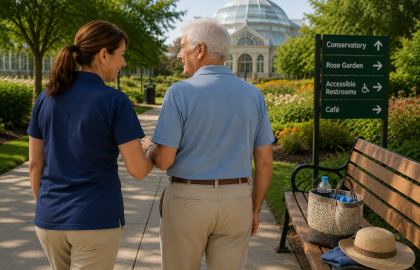
  • Errands & Transportation​​
    Help with errands, shopping, and transportation falls under the category of Instrumental Activities of Daily Living (IADLs). These skills are necessary in order to live independently and that all of us do once we are up, out of bed, dressed, and ready to start our day. Transportation services for seniors can help maintain a level of independence without the need for the senior to drive themselves.
  • Escort to Activities​
    Escorting a senior to activities can help them if they feel unsafe or uncomfortable in public without accompaniment. Many trips are often used to assist seniors to utilize the services of health professionals and agencies that they otherwise would not be able to access.
    ​
  • Hospice
    Support / End-of-Life​​
    Hospice care is for people who are nearing the end of life. The services are provided by a team of health care professionals who maximize comfort for a person who is terminally ill by reducing pain and addressing physical, psychological, social and spiritual needs.
  • Hospital to Home​​
    Following a discharge from the hospital, the first three days are critical. During this time frame and beyond, the support given to a senior and their family play a vital role in the recovery process at home. A hospital-to-home program offers a comprehensive and flexible solution that can provide the physical and emotional support needed to recover safely and comfortably.
  • Incontinence / Toileting​​
    There are several types of incontinence, which include overflow incontinence, transient incontinence, stress incontinence, urge incontinence, and knowing a little about the different types can help the caretaker and the family make the best decisions about what levels of toileting assistance should be included in the care plan of their loved one.
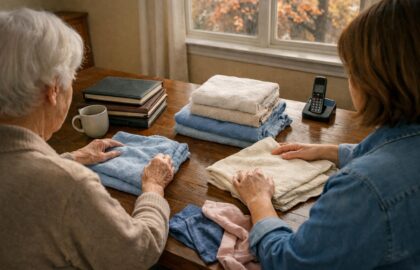
  • Laundry Services​​
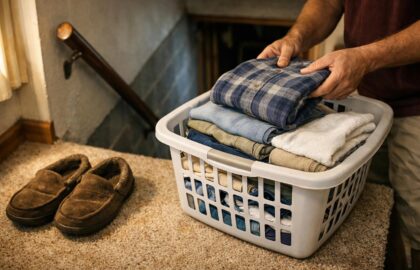
    For seniors, laundry can be a challenge. As people age, they may have less energy and stamina. One of the biggest benefits of laundry services is that they can help seniors stay independent. Laundry services can also help keep seniors healthy by ensuring the are wearing clean clothing.
  • Light Housekeeping​​
    Light housekeeping includes things like watering the plants, dusting of surfaces and knickknacks, as well as picking up newspapers, magazines and other clutter. It includes emptying the trash, vacuuming and sweeping of main walk areas. It can also include organizing drawers, shelves and closets. In a nutshell light housekeeping is completing the specific tasks required to tidy up areas that a client uses. Examples of what a light housekeeping service does not include are heavy-duty cleaning tasks that require moving heavy furniture, washing windows, cleaning carpets, or scrubbing floors. Nor does it cover outside chores, such as shoveling snow off sidewalks, raking, or mowing the grass.
  • Meal Preparation​
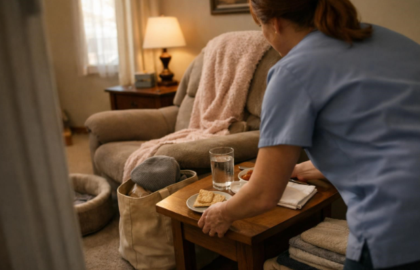
    Meal preparation and eating healthy and nutritional food is important for seniors. Meal preparation assistance for the elderly is not just about cooking, but involves so much more. Maintaining a regular and consistent schedule can also play a role in emotional and physical health.
    ​
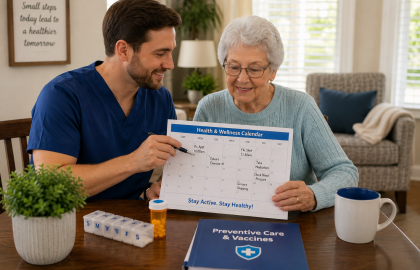
  • Medication Reminders​
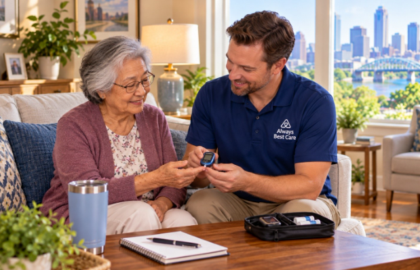
    Medication reminders are a nonmedical service provided by a caregiver or a Certified Nurse Assistant (CNA). CNAs do not administer medications, or speak with a doctor or pharmacist about a senior’s medicine or regime—but they do ensure medication safety and regularity.
    ​
  • Mobility​
    Mobility is the ability to move or walk freely and easily — is critical for functioning well and living independently. As we age, we may experience changes to our mobility. There are many reasons for these changes, including changes in gait (how we walk), balance, and physical strength.
    ​
  • Nutrition Monitoring​​
    Nutrition is an important element of health in the older population and affects the aging process. The prevalence of malnutrition is increasing in this population and is associated with a decline in functional status, impaired muscle function, decreased bone mass, immune dysfunction, anemia, reduced cognitive function, poor wound healing, delayed recovery from surgery, higher hospital readmission rates, and mortality.
  • Overnight Care​​
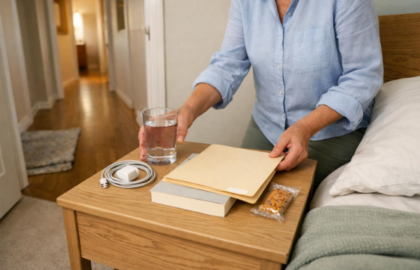
    Overnight care revolves around a multitude of services which may include help using the restroom in the middle of the night, providing fluids and snacks in the evening, and assisting with preparing for bed. Elderly individuals may also receive help with transfer assistance throughout the night. Overnight caregivers can also prepare breakfast and offer morning care.
  • Safety Supervision​​
    Because more accidents occur inside the home than anywhere else, seniors and their caregivers must do everything in their power to make sure their homes are as safe and secure as possible. Some of the steps that can be taken to ensure homes are safe for seniors and their families include removing clutter, adding better lighting, rearranging cabinets and drawers, and assessing the safety risks of the bathroom.
  • Technology Assistance​​
    Technology can help the elderly live independently for longer by facilitating preventive care, early detection of, and response to, emerging health issues, as well as timely support for daily tasks. Technology offers a wide range of benefits to older adults. Seniors who use technology can also feel more connected to others, can be better engaged in the community and world around them, and be more informed about current events.
Ready To Answer Your Questions

FAQs About In Home Care Services

FEMALE-CAREGIVER-MOBILE FEMALE CAREGIVER IN FLORAL DRESS SMILING

Yes, in-home care can help a senior return home more safely after a hospital discharge by supporting daily routines, mobility, meals, medication reminders and personal care. Always Best Care describes the first three days after discharge as critical, but care should still follow the discharge plan and any medical instructions from licensed providers.

  • Discharge support: Caregivers help seniors settle in and follow home routines.
  • Personal care: Bathing, dressing, toileting and grooming support reduce daily strain.
  • Meal help: Meal preparation and nutrition monitoring support strength during recovery.
  • Medication reminders: Caregivers can remind seniors, but do not administer medications.
  • Mobility support: Transfer help and safety supervision may reduce fall risks.
  • Family relief: Respite care gives family caregivers time to rest or manage tasks.

Before agreeing to an in-home care schedule, ask what services are included, how many hours are recommended, whether care needs may change, and what could affect the total cost. A good care plan should explain personal care, companionship, transportation, overnight care, medication reminders, and any limits before services begin.

  • Care needs: Which daily tasks require caregiver support each visit?
  • Schedule length: How many hours or visits are recommended each week?
  • Service scope: Are bathing, meals, errands, laundry, and companionship included?
  • Cost factors: Do evenings, overnight care, or 24-hour care affect pricing?
  • Plan changes: How are schedule updates handled after illness or hospital discharge?
  • Care coordination: Who reviews the individualized service plan with the family?

Yes, in-home care can work well for a senior who lives alone when the care plan matches the person’s safety, mobility, memory, personal care and daily routine needs. Support may include companionship, meal preparation, medication reminders, light housekeeping, transportation, overnight care or 24-hour care, depending on risk level.

  • Good fit: The senior wants independence but needs help with daily tasks.
  • Safety needs: Caregivers can support mobility, toileting, meals and home routines.
  • Companionship needs: Regular visits can reduce isolation and encourage engagement.
  • Higher-risk needs: Overnight care or 24-hour care may be considered.
  • Care planning: A Care Coordinator can create an individualized service plan.
  • May not fit: Medical needs may require licensed clinical care or facility support.

Families communicate updates or concerns by contacting the care team or Care Coordinator so the in-home care plan can be reviewed and adjusted. After care begins, feedback about routines, safety, mobility, medication reminders, meals, companionship, or caregiver fit should be shared promptly, especially after health changes, hospital discharge, or new daily challenges.

  1. Share the concern: Describe the change, pattern, or caregiver-related issue clearly.
  2. Contact the coordinator: Ask the Care Coordinator to review the individualized service plan.
  3. Document key details: Note dates, tasks, symptoms, missed routines, or safety concerns.
  4. Request adjustments: Discuss schedule, service, or caregiver changes when needs shift.
  5. Escalate urgent issues: Use emergency services for immediate medical or safety risks.
  6. Review regularly: Revisit the care plan as independence, health, or routines change.

Every Always Best Care location employs all their caregivers, so extensive background and reference checks are conducted. Caregivers are insured for your safety and they all receive extensive training upon being hired and on-going training to keep up with the demand of our industry. What this means for you is that you or your loved one will receive some of the best caregivers our industry has to offer.

Yes. Always Best Care Cincinnati East provides West Chester, OH Senior Care, Companion Care Mason, OH, and Blue Ash, OH after care services through personalized in-home care plans for older adults who want support with daily routines, safety, and independence. Care may include companionship, personal care, errands, transportation, meal preparation, medication reminders, mobility help, and respite care across nearby communities and the surrounding area.

Service Area Breakdown

  • Primary Service Area: In Home Care Services are available to customers throughout the regional service area and surrounding communities.

FEMALE-CAREGIVER-MOBILE FEMALE CAREGIVER IN FLORAL DRESS SMILING

In Home Care News & Insights

Explore the latest insights, trends, and tips from senior care and the caregiving industries

Subscribe to news about

In Home Care Services

SENIOR WOMAN SMILING WITH A CAREGIVER