

Elderly Diabetes Symptoms and Prevention: A Surfside Beach Family’s FAQ Guide
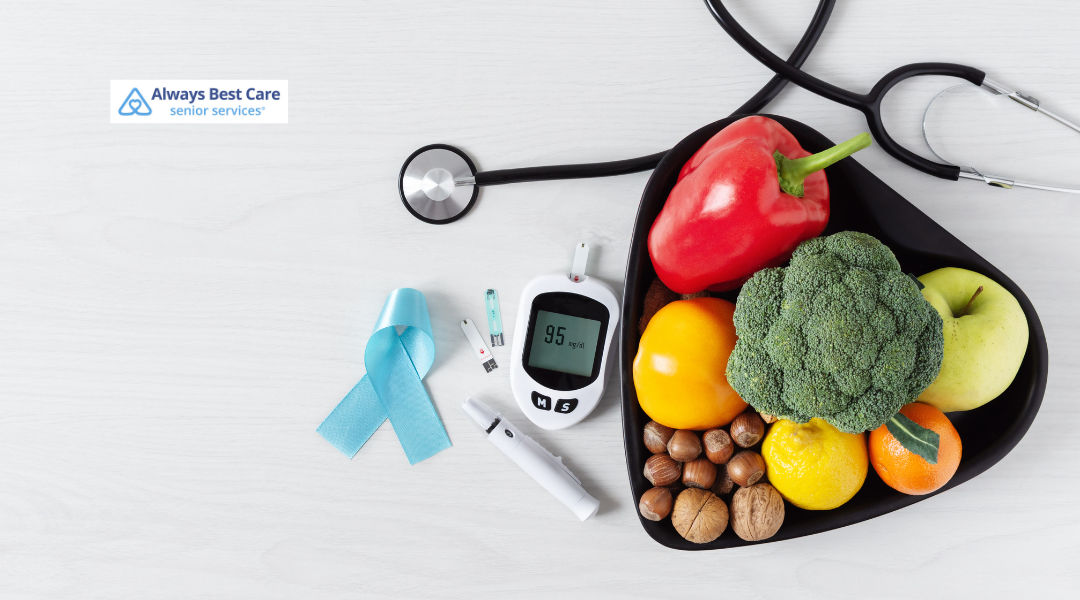
Here’s the tricky thing about diabetes in older adults: it rarely shows up waving a red flag. More often, it slips in quietly. A little extra tiredness here, a few more trips to the bathroom there. And honestly? It’s so easy to shrug it off as “just getting older.”
That’s exactly why this guide exists. Whether you’re caring for a parent in Surfside Beach or checking in on a grandparent across the Grand Strand, knowing the signs early can make a real difference.
What You Will Learn
- Why diabetes often looks different in seniors
- The most common elderly diabetes symptoms to watch for
- Simple, practical ways to help prevent or delay Type 2 diabetes
- How to support a loved one at home, holidays included
- When in-home care might be the right next step
Table of Contents
Why Diabetes Looks Different in Older Adults
Quieter Symptoms, Easy to Miss
In younger people, diabetes symptoms can be pretty obvious. In seniors, though, they tend to be subtle. Many older adults don’t feel as thirsty as they used to, so that classic warning sign might never show up.
On top of that, fatigue, forgetfulness, and achy feet get chalked up to age all the time. Sound familiar? You’re not alone. According to the CDC, diabetes is especially common among adults 65 and older, and plenty of people don’t even know they have it.
Why November Is the Perfect Time for a Check-In
November is National Diabetes Month, so it’s a natural nudge for families to talk. With the holidays coming up and relatives gathering, it’s a cozy, low-pressure moment to ask, “Hey, how have you been feeling lately?”
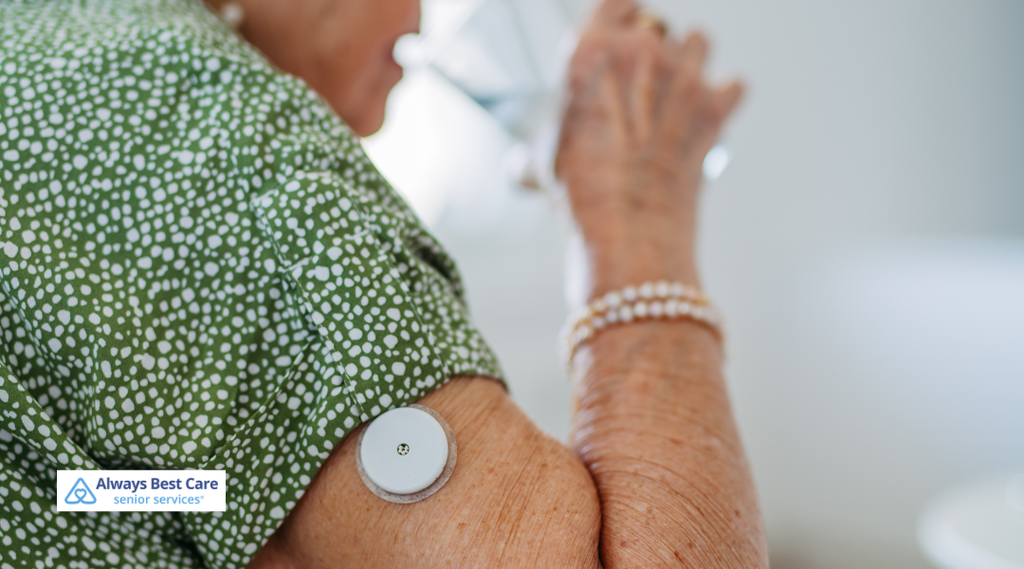
FAQ: What Are the Most Common Elderly Diabetes Symptoms?
Let’s get down to brass tacks. Here are the signs worth keeping on your radar:
- Increased thirst and frequent urination: More water glasses, more nighttime bathroom trips.
- Fatigue, confusion, or mood changes: Feeling foggy, cranky, or wiped out for no clear reason.
- Slow-healing cuts or sores: Especially on the feet, which seniors don’t always check.
- Blurred vision: Squinting at the TV or struggling with the newspaper.
- Unexplained weight changes: Losing or gaining without changing habits.
- Tingling or numbness: That “pins and needles” feeling in hands and feet.
One sign on its own doesn’t mean diabetes, of course. But if you notice a few of them together, it’s worth a call to the doctor. The NIDDK has a helpful overview of symptoms and causes if you’d like to dig deeper.
FAQ: Can Type 2 Diabetes Be Prevented or Delayed in Seniors?
Good news: yes, often it can! Small, steady habits really add up over time.
Balanced Meals and Portion Awareness
Nobody’s saying goodbye to sweet potato casserole forever. It’s more about balance: plenty of veggies, lean proteins, whole grains, and sensible portions. The American Diabetes Association has tons of senior-friendly meal ideas.
Gentle Daily Movement
You don’t need a gym membership. A stroll around the neighborhood, a short walk in Surfside Beach, or a few chair exercises during the morning news can help keep blood sugar steady.
Regular Checkups and Screenings
Routine blood sugar tests catch changes before they snowball. If your loved one hasn’t had one in a while, now’s a great time to schedule it.
Medication Routines and Hydration
Taking medications on time and drinking enough water both matter more than folks realize. Pill organizers and a refillable water bottle are simple but mighty tools.

FAQ: How Can Families in Surfside Beach Help at Home?
Holiday Meal Tips for Thanksgiving Gatherings
Thanksgiving doesn’t have to be a minefield. Try these easy swaps:
- Fill half the plate with veggies before the carbs.
- Offer a lighter dessert option alongside the pie.
- Plan a family walk after dinner (bonus: great for digestion!).
- Keep sugary drinks to a minimum and set out flavored water instead.
Watching for Warning Signs Between Visits
Doctors only see your loved one a few times a year. You, on the other hand, notice the everyday stuff. Keep an eye out for new forgetfulness, sores that won’t heal, or changes in appetite.
Keeping a Simple Symptom and Medication Log
A notebook on the kitchen counter works wonders. Jot down blood sugar readings, meds taken, meals, and anything that seems “off.” Bring it to appointments, and your doctor will thank you.

How In-Home Care Supports Seniors Living With Diabetes
Meal Prep, Medication Reminders, and Mobility Support
Let’s face it, managing diabetes day in and day out can be a lot. In-home caregivers can help prepare balanced meals, offer timely medication reminders, and provide steady support during walks or around the house.
Companionship That Encourages Healthy Routines
Sticking to good habits is easier with a buddy. A friendly caregiver can turn a daily walk into a highlight and make mealtime feel less like a chore and more like a chat with a friend.
Peace of Mind for Family Caregivers
If you’re juggling work, kids, and caregiving, you deserve a breather too. Knowing someone trustworthy is there with Mom or Dad in Surfside Beach or anywhere along the Grand Strand can lift a huge weight off your shoulders.
Frequently Asked Questions
Q: Can diabetes symptoms in seniors be mistaken for other conditions?
A: Absolutely, since fatigue, confusion, and vision changes overlap with many age-related issues, which is why screenings matter; Always Best Care of Surfside Beach can help families stay alert to these changes between doctor visits.
Q: How often should older adults get their blood sugar checked?
A: It depends on their health history, so it’s best to follow the doctor’s recommendation and keep regular appointments; Always Best Care of Surfside Beach can provide reminders and transportation support to help keep those visits on track.
Q: Is it too late for a senior to make lifestyle changes?
A: Not at all, because even small changes in diet and daily movement can make a meaningful difference at any age; Always Best Care of Surfside Beach caregivers can gently encourage those healthy routines every day.
Q: What should I do if I notice several warning signs at once?
A: Contact your loved one’s doctor promptly and share any notes you’ve kept about their symptoms; Always Best Care of Surfside Beach is also here to support your family with in-home care while you sort out next steps.
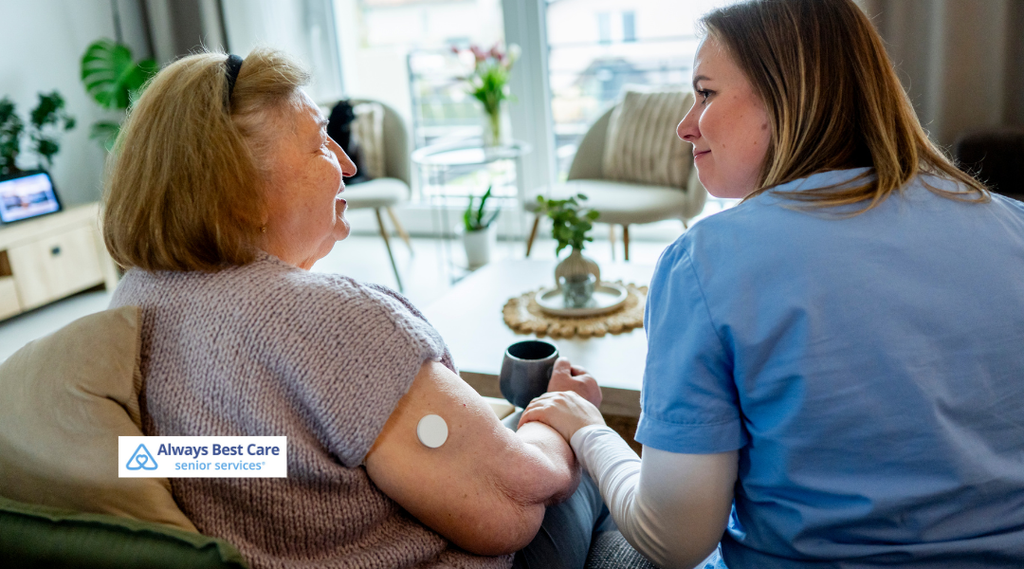
Catch It Early, Care Better
Elderly diabetes symptoms and prevention really come down to awareness and a little everyday teamwork. When you know what to look for, you can act sooner, and your loved one can keep enjoying life at home with confidence.
Ready to talk it through? Call Always Best Care of Surfside Beach at (843) 640-0129 or visit our website to schedule a care consultation. We’d love to help your family feel supported this November and beyond.
Link to the Markdown File version of this article.