
What Will VA Cover for Home Care in 2026? A Greater Boston Family Guide
When a Veteran needs help at home, families often begin with two questions: “What will VA cover?” and “How much care can we receive?”
There is no single answer that applies to every Greater Boston household. VA home care support depends on the program, the Veteran’s eligibility, assessed needs, approved services, and local availability. A schedule another Veteran receives—or a dollar amount advertised online—may not reflect your loved one’s situation.
The most useful starting point is the Veteran’s VA care team or social worker. They can explain which services may be appropriate, what approval is required, and whether the family will have any financial responsibility.
Table of Contents
What You Will Learn
- How VA-authorized personal-care assistance differs from clinical services delivered at home.
- Which daily activities may be included in VA Boston’s Homemaker and Home Health Aide program.
- Why VA Boston provides homemaker services alongside home health aide services rather than as a standalone housekeeping benefit.

What Types of Home Care May VA Cover?
VA offers different home-based services for different needs. It is important to distinguish assistance with everyday activities from clinical care.
Help With Personal Care and Daily Activities
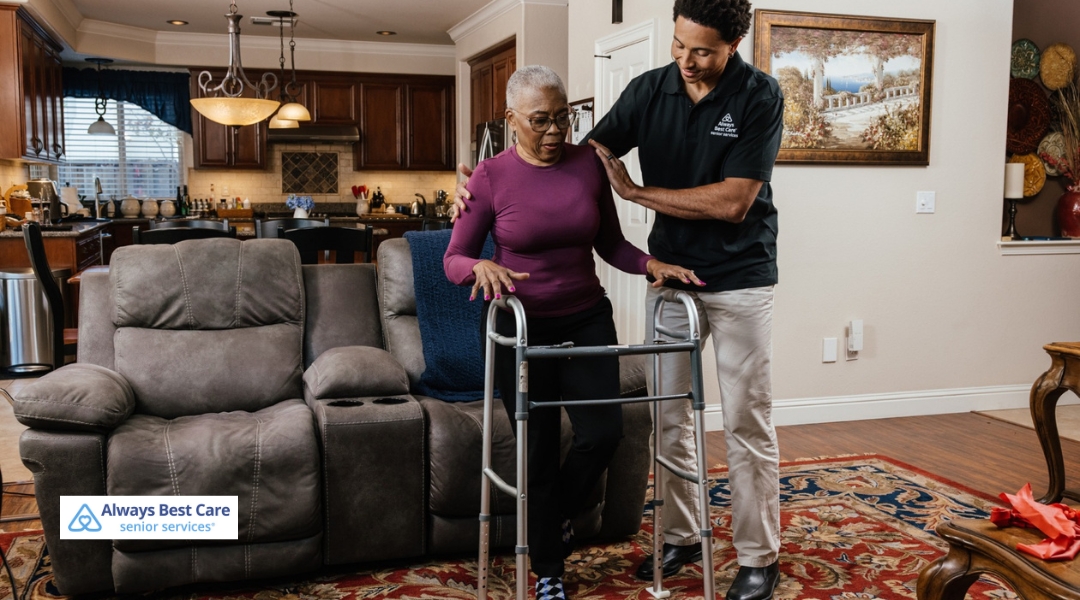
VA’s Homemaker and Home Health Aide program provides assistance that can help eligible Veterans remain at home. Depending on assessed needs, this may include help with:
- Bathing
- Dressing
- Personal grooming
- Toileting
- Eating
- Moving from one place to another
- Certain household tasks
Homemakers and home health aides are not nurses, although a registered nurse supervises the program and helps assess daily living needs. Services vary by location.
Clinical Care at Home
A Veteran who needs medical treatment may require a different service from someone who needs help bathing or preparing a meal.
VA home-based programs can include clinical services, such as Home Based Primary Care, when appropriate. Families should ask which program matches the specific need rather than using “home care” and “home health care” interchangeably.
Approval for personal-care assistance should not be assumed to include private nursing, rehabilitation, or every other service delivered in the home.

What Does the Greater Boston Program Include?
Local details matter. VA Boston’s published guidance lists home health aide services such as bathing, dressing, grooming, toileting, walking, eating, verbal medication reminders, and light housekeeping.
Its homemaker examples include meal preparation, light shopping, laundry, and light housekeeping. However, the local guidance states that homemaker services are provided in conjunction with home health aide services—not as a standalone housekeeping benefit.[va]
This distinction can help families set realistic expectations. A request for general household help is not necessarily the same as an assessed need for personal-care assistance.
Is Companionship Covered?
Do not assume that every service a home care agency offers will be included in a VA authorization.
VA Boston’s published Homemaker and Home Health Aide guidance specifically states that it does not provide companionship services, describing companionship as company and friendship, such as playing games or taking walks.
A family may still value companionship as part of a broader care arrangement. However, social visits or recreational outings should not be presented as automatically covered under this local program.
Ask the care team to clarify which tasks are authorized and discuss any additional services separately with the agency.
Who May Qualify?
VA states that enrolled Veterans may receive Homemaker and Home Health Aide services when they:
- Are eligible for community care
- Meet the clinical criteria for the service
- Have access to an available service
The program can support Veterans of any age who meet the requirements. A service-connected disability is not listed as a universal requirement, although disability status may affect copays.
A Veteran’s circumstances should be assessed individually. Families should explain both the assistance needed and the support already available at home.
Useful examples include:
- “She needs help bathing and dressing.”
- “He cannot safely move between the bed and chair without assistance.”
- “His spouse is providing most of the care and needs relief.”
- “She lives alone and is struggling with essential daily routines.”
These details help the team understand the situation more clearly than a general request for “a few hours of help.”

How Are Care Hours Determined?
There is no standard weekly schedule for every Veteran.
VA’s national guidance explains that services are based on assessed needs. An aide might visit several times a week or less frequently, depending on the situation.
Locally, the referral process includes a request for a specific number of homemaker and home health aide hours per week. That makes the assessment and referral important steps in determining the proposed care arrangement.
Before scheduling services, ask:
- How many hours have actually been approved?
- Which tasks should be completed during those hours?
- How will visits be scheduled?
- When will the plan be reviewed?
- What happens if needs increase?
- What happens if a provider cannot fill the approved schedule?
An assessment, a referral request, and a confirmed service start date are different stages. Make sure you understand where your loved one is in the process.
Will There Be a Copay?
Possibly. VA states that a copay for Homemaker and Home Health Aide services may apply based on service-connected disability status. Families should ask for an individualized explanation rather than assuming that every Veteran receives services at no cost.
Before care begins, ask the VA team:
- Does this Veteran owe a copay for this service?
- What information is needed to determine the amount?
- Is an extended-care financial assessment required?
- How will any charges be communicated?
- Who can answer billing questions?
A copay is separate from an agency’s private-pay price. Do not use a quoted hourly rate or a general benefits advertisement to estimate what the Veteran will owe VA.

Keep Pension Benefits Separate From Authorized Home Care
Families may also hear about Aid and Attendance.
Aid and Attendance is an increased pension benefit for qualified Veterans who meet applicable requirements, including certain needs for assistance with daily functions. It is not the same as authorization for agency-provided home care.
This is why an advertised monthly pension figure should not be treated as a guaranteed VA home care budget.
When comparing options, ask two separate questions:
- What healthcare services can VA authorize?
- Could a pension benefit be relevant to this Veteran’s financial circumstances?
Keeping these pathways distinct makes it easier to understand coverage and avoid counting on benefits that have not been awarded.
Confirm Coverage Before Arranging Additional Care
The word authorization is central to planning.
Before agreeing to services you expect VA to fund, confirm the provider, approved tasks, schedule, and applicable dates with the VA team and agency.
Also ask what happens if the family wants assistance beyond the approved arrangement. Examples might include additional hours, companionship-only visits, or services outside the authorized scope.
If separate private-pay care is being considered, request a written explanation of:
- The services being purchased
- The rate and minimum scheduling requirements
- Which charges are the family’s responsibility
- How the arrangement is kept separate from VA-funded care
- How changes or cancellations are handled
Do not assume that additional privately arranged care will automatically be covered.
How Always Best Care of Greater Boston Can Help
Always Best Care of Greater Boston provides personalized in-home support, with published services that include personal care, meal preparation, light housekeeping, transportation assistance, medication reminders, and companionship. The local provider also offers private nursing services.
These service options should not be confused with a promise of VA coverage.
When contacting the team, explain that you are exploring VA-funded care and ask:
- Can the office currently accept the specific authorization involved?
- Are caregivers available for the approved schedule?
- Which requested services fall within the authorization?
- Would additional assistance require a separate agreement?
- How will concerns or changes be communicated?
VA determines eligibility and approves covered services. The agency can explain its availability, service scope, and any separate fees.
FAQ
Q: Does every Veteran receive the same amount of home care?
A: No. Services are based on assessed needs, eligibility, and availability. There is no universal weekly schedule.
Q: Will VA cover housekeeping alone?
A: VA Boston’s published program guidance states that homemaker services are provided in conjunction with home health aide services. Families should not assume that standalone housekeeping will qualify.
Q: Is companionship automatically included?
A: No. The local Homemaker and Home Health Aide guidance excludes companionship services. Confirm the actual authorized tasks before arranging visits.
Q: Can a Veteran without a service-connected disability receive help?
A: Potentially. The program’s requirements include enrollment, community care eligibility, clinical need, and availability. Service-connected disability status may affect copays.
Q: Is Aid and Attendance the same as VA home care coverage?
A: No. Aid and Attendance is an increased pension benefit for qualified recipients. It is separate from authorization for healthcare services.
Q: Can private nursing be assumed to be covered?
A: No. Nursing and personal-care assistance are different services. Ask the VA team which clinical services, if any, are approved before arranging nursing care.

Build the Plan Around Confirmed Coverage
For Greater Boston families, clear answers begin with an individualized assessment—not a single advertised payment or assumed number of hours.
Ask the Veteran’s VA care team what services may be appropriate, what has been authorized, and whether any copay applies. Then contact Always Best Care of Greater Boston at 617-489-9000 to discuss available support and confirm whether the team can meet the proposed care arrangement. Contact Always Best Care of Greater Boston at (617) 489-9000 to learn more and schedule your free consultation.
Link to the markdown version of this blog.