

The Challenges and Solutions for Caring for Seniors with COPD in Milwaukee

A Milwaukee winter can make everyday life more demanding for someone with chronic obstructive pulmonary disease (COPD). Cold air, shorter days, and holiday disruptions create extra hurdles for seniors and the people who love them. Understanding how to care for seniors with COPD in Milwaukee starts with a practical plan that leaves room for rest, connection, and timely medical help.
What You Will Learn
- Why winter can make COPD care harder.
- Which warning signs need medical attention.
- Ways to manage medications and oxygen safely.
- How to make daily tasks less tiring.
- Where family caregivers can find support.
Table of Contents
Why COPD Care Gets Harder in a Milwaukee Winter
Cold, dry air can worsen coughing, wheezing, and breathlessness. Trips outdoors may need shortening, while closed windows during heating season make dust, smoke, and other indoor irritants worth watching.
Cold and flu season adds another concern because respiratory infections can trigger flare-ups. Ask your loved one’s clinician about recommended vaccinations, encourage handwashing, and reschedule visits when someone’s sick.
Learning about COPD symptoms and everyday management gives families a useful foundation. Winter calls for a little extra preparation, especially when bad weather or holiday plans interrupt familiar routines.
Challenge 1: Recognizing a Flare-Up Before It Becomes an Emergency
A loved one who pauses more often while dressing or seems unusually exhausted may need more than a quiet afternoon. Changes from their normal pattern deserve attention.
Increased breathlessness, more coughing, and changes in mucus can signal a flare-up. Don’t brush off a noticeable change as “just getting older.”
The Solution: Keep a Written Action Plan
Ask the healthcare team for a written COPD action plan explaining daily treatment, warning signs, and when to seek help. Keep copies where family members and caregivers can find them.
During daily check-ins, compare breathing, mucus, energy, and activity tolerance with your loved one’s usual pattern. Contact their clinician promptly about worsening symptoms.
Follow NHLBI’s emergency guidance: call 911 for severe breathing difficulty, trouble speaking, blue or gray lips, new confusion or reduced alertness, or prescribed rescue treatment that isn’t helping. Confusion isn’t something to watch overnight.
Challenge 2: Managing Medications, Inhalers, and Oxygen Safely
Holiday visitors and changed schedules can make missed doses more likely. Inhaler technique can also become a stumbling block, particularly when instructions are confusing.
The Solution: Simplify the Routine
Use medication reminders, keep an updated medication list, and request refills before supplies run low. Ask a pharmacist or clinician to check how your loved one uses each inhaler.
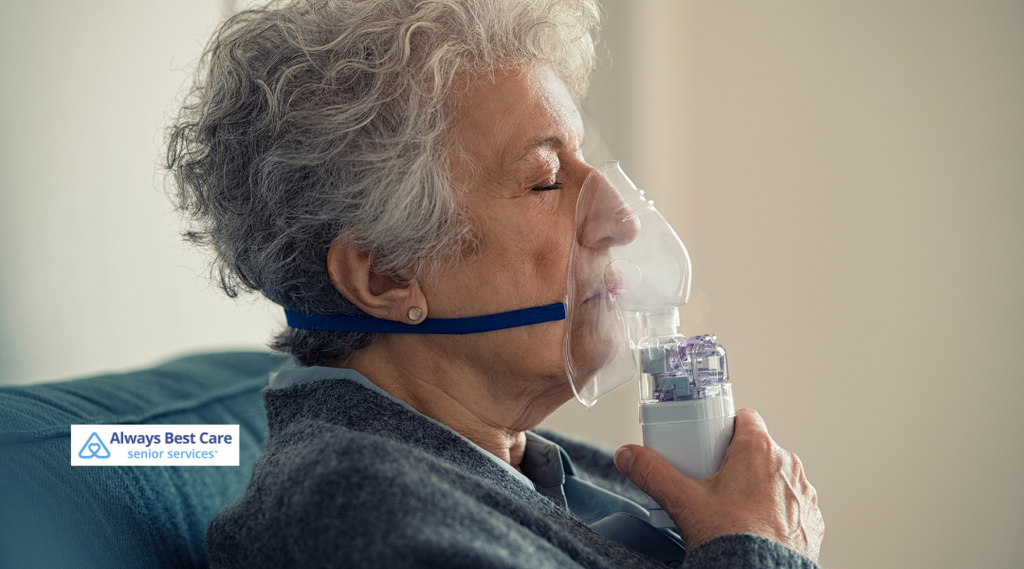
If oxygen is prescribed, follow the clinician’s settings and the equipment supplier’s instructions. Oxygen makes materials burn more readily, so holiday candles, fireplaces, smoking, and nearby heat sources require particular care.
Choose flameless candles, check smoke alarms, and keep tubing out of walking paths. Review home oxygen safety precautions together, and never adjust oxygen flow without medical direction.
Challenge 3: Fatigue, Isolation, and Daily Living Tasks
Bathing, getting dressed, and preparing breakfast can take more energy than families expect. Your loved one may quietly skip tasks rather than ask for help.
The Solution: Save Energy for What Matters
Gather supplies before starting, allow seated rest breaks, and spread chores throughout the week. Ask the care team about appropriate activity and safe bathing equipment.
Practical support for daily life with COPD can include help with meals, dressing, and light housekeeping. Taking a few chores off someone’s plate leaves more room for enjoyable moments.
Keep winter companionship simple: a short visit, a favorite card game, or a phone call after lunch. Let your loved one choose what feels enjoyable, not exhausting.

Challenge 4: Caregiver Burnout
Between work, appointments, and holiday preparations, family caregivers can end up running on fumes. A care routine that depends on one exhausted person needs backup.
The Solution: Share Responsibilities Early
Create a shared schedule for meals, transportation, visits, and prescription pickups. Give each helper a specific responsibility, and identify someone who can step in during illness or bad weather.
Arrange respite before exhaustion builds. A predictable break gives caregivers time to rest, attend their own appointments, or enjoy family time without juggling care duties.
How In-Home Care in Milwaukee Supports Seniors with COPD
Personalized in-home care from Always Best Care of Greater Milwaukee includes personal care, medication reminders, meal preparation, transportation, companionship, and respite.
These services help families maintain everyday routines when winter makes errands and daily tasks harder. Support should reflect the senior’s preferences, abilities, and individual needs.
Nonmedical caregivers complement the healthcare team’s treatment plan. They don’t replace clinicians, diagnose flare-ups, or independently change medications or oxygen settings.

Frequently Asked Questions
Q: Can winter weather worsen COPD symptoms?
A: Yes, cold, dry air can worsen breathing symptoms. Follow the clinician’s guidance about outdoor exposure; Always Best Care of Greater Milwaukee can support everyday routines.
Q: What symptoms require emergency help?
A: Call 911 for severe breathing difficulty, blue or gray lips, or new confusion; Always Best Care of Greater Milwaukee provides nonmedical support, not emergency treatment.
Q: Can caregivers help with medications?
A: Caregivers can provide reminders, while clinicians and pharmacists guide treatment and inhaler technique; Always Best Care of Greater Milwaukee offers medication reminders.
Q: How can family caregivers take a break?
A: Share responsibilities and arrange planned respite before exhaustion builds; Always Best Care of Greater Milwaukee offers respite support.

Find Your Winter Support
A thoughtful plan and a helping hand can make winter feel more manageable. Call Always Best Care of Greater Milwaukee at (262)300-8958 or request a care consultation to discuss support tailored to your loved one’s routine.
Link to the Markdown File version of this article.