

Finding Joy in the Days Ahead: Supporting Senior Mental Health in Greater Milwaukee

A plan for later in the week can brighten an otherwise ordinary day. That anticipation can be especially meaningful for older adults in Greater Milwaukee who are retired, have lost a spouse, or are adjusting to health or mobility changes.
If the days start to blur together, adding small, enjoyable activities to a daily routine, along with opportunities to connect and stay involved, can help bring back motivation and a sense of fulfillment.
What You Will Learn
- Support a senior’s sense of purpose through small, meaningful activities.
- Keep favorite interests enjoyable as needs and abilities change.
- Build a daily routine with things to look forward to.
- Plan regular opportunities for connection with others.
- Leave space for rest and adjust plans to match energy levels.
Table of Contents
Why looking ahead can support Senior Mental Health
An upcoming activity gives a person something to consider and prepare for, as well as something to enjoy in advance. It might be lunch with friends, a visit from grandchildren, a community event, or the next book club meeting. Remembering the date, making choices, and organizing the details also call on thinking skills.
Plans can make ordinary life feel more engaging, but they don’t guarantee protection from memory loss or depression. Their value is in adding interest and emotional reward to the day.

Purpose can continue after retirement
Work often offers routine, responsibility, time with others, and a sense of achievement. Retirement may bring more freedom, yet losing familiar routines can leave a gap. A similar change may come when a senior stops driving, faces physical challenges, or joins fewer community activities.
Volunteering, mentoring younger people, joining a religious group, and helping with family traditions are a few ways to stay involved. Gardening, caring for plants, learning, or taking on a creative project may also feel purposeful. The activity doesn’t have to be ambitious; what matters is that it feels meaningful to the person.
Hobbies offer enjoyment and focus
A hobby can invite learning, creativity, problem-solving, and concentration. Cooking fans might try a new recipe, while someone curious about family history may sort through photographs or research relatives. Music, painting, woodworking, puzzles, and writing can all make room for enjoyable engagement. The goal is to enjoy the process rather than measure how well it turns out.
Aging can change what feels comfortable. If vision, arthritis, or lower energy makes a favorite pastime harder, try a simpler version so it remains pleasant instead of frustrating.
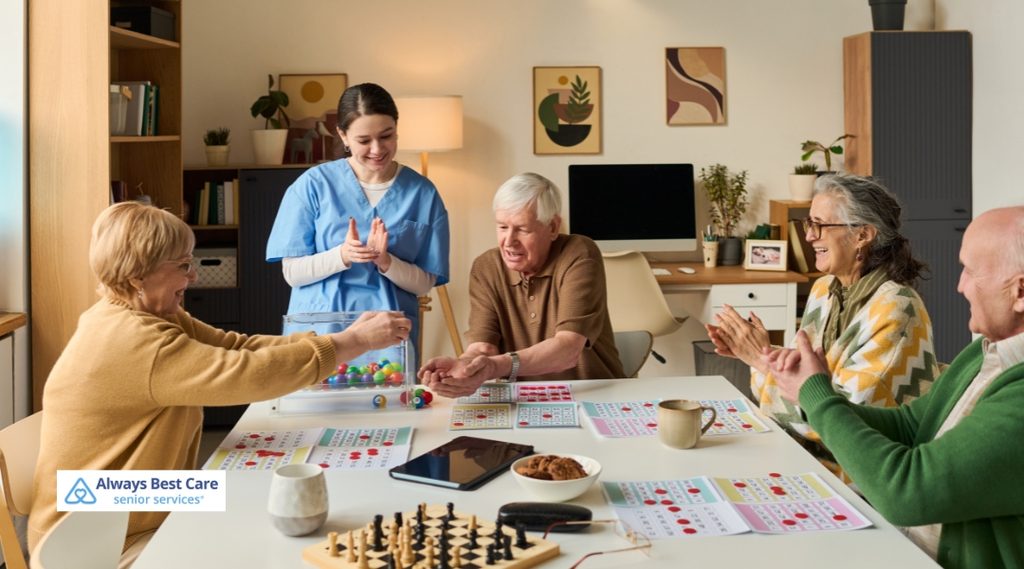
Make social time part of the routine
Friends may move, loved ones may pass away, and transportation or mobility challenges can make it harder to get together. Regular plans help seniors maintain relationships, meet new people, and guard against isolation. Families could arrange:
- Weekly coffee or lunch with a friend
- Visits with grandchildren or other relatives
- A community class or group activity
- Phone or video calls on a regular day
- Faith gatherings or volunteer opportunities
A recurring afternoon visit can become a simple, welcome reason to look forward to the week.
Small plans count, too
Not everyone has the energy, resources, or desire for frequent outings. A favorite television show, a Sunday call, a library visit, or baking at home may be just as meaningful. Ask your loved one what sounds enjoyable rather than making all the decisions for them. Having a say supports their independence and makes it more likely the plan suits their interests.
Keep the schedule flexible. Rest and quiet time matter, and too many activities may leave some seniors feeling worn out.

How Always Best Care of Greater Milwaukee can help
For an older adult living alone or having trouble leaving home, staying socially active may be difficult. Families often want to be there while also balancing jobs and other responsibilities.
Our caregivers can offer companionship and practical support, including a ride to a social event, company on an outing, help with a favorite hobby, or a conversation over coffee. We respect each person’s interests and abilities. Familiar companionship can give seniors another pleasant moment to anticipate.
Frequently Asked Questions
Q: What are some simple activities to plan at home?
A: A favorite show, a phone call, baking, or time spent on a hobby can give the week a pleasant marker. Ask your loved one what they enjoy and keep the plan suited to their energy and interests.
Q: How can a family help after retirement changes a loved one’s routine?
A: Talk together about activities that feel useful or enjoyable, such as volunteering, mentoring, gardening, or family traditions. A small commitment can provide structure without turning free time into a demanding schedule.
Q: How can we keep a hobby enjoyable when abilities change?
A: Consider adapting the activity if vision, arthritis, or energy makes the usual version harder. A simpler approach can help a senior keep participating without the task becoming frustrating.
Q: Should we plan something every day?
A: Not necessarily. Include quiet time and ask your loved one what pace feels comfortable; a few familiar plans may be more welcome than a full calendar.

Bring More Joy to Your Loved One’s Day
A reason to look ahead doesn’t have to be elaborate. In Greater Milwaukee, families can help older adults enjoy more purpose and connection by making room for hobbies, familiar relationships, and plans shaped by the senior’s own preferences.
If your loved one could use companionship and help staying socially connected, call Always Best Care of Greater Milwaukee at (262)300-8958 to discuss a care consultation.
Link to the Markdown File version of this article.