

Smart Stroke Prevention for Milwaukee Seniors: Everyday Habits for a Healthier Brain
Every 40 seconds, someone in the United States has a stroke. For older adults, the consequences can be especially severe — affecting mobility, communication, memory, and the ability to live independently. Yet up to 80% of strokes are preventable. That means the choices seniors make every day have real, measurable power over their brain health.
This guide breaks down the most effective stroke prevention strategies for older adults, with practical steps that can be built into daily routines.
What you will learn:
- The key risk factors that increase stroke risk in seniors and why awareness matters.
- How managing blood pressure, diabetes, and cholesterol supports long-term brain health.
- Simple, sustainable lifestyle habits—including movement and nutrition—that help lower stroke risk.
- The important role caregivers play in supporting daily routines and preventing health complications.

Table of Contents
Why Stroke Risk Rises with Age
Aging naturally changes the cardiovascular system. Blood vessels become less flexible, blood pressure tends to rise, and the heart may develop conditions that increase clotting risk. Add in decades of dietary habits, physical activity levels, and chronic conditions like diabetes or high cholesterol, and the risk profile becomes more complex.
The most significant risk factors for seniors include:
- High blood pressure is the leading cause of stroke
- Atrial fibrillation (AFib) — an irregular heartbeat that can cause clots to travel to the brain
- Type 2 diabetes — damages blood vessels over time
- High LDL cholesterol contributes to arterial plaque buildup
- Smoking and excessive alcohol use — both accelerate vascular damage
Understanding which factors apply is the first step toward managing them effectively.
Control Blood Pressure — Consistently
High blood pressure puts constant stress on artery walls. Over time, that stress weakens vessels and raises the risk of both blockages and ruptures in the brain. The challenge is that high blood pressure rarely causes noticeable symptoms, which is why it’s often called the “silent killer.”
What seniors can do:
- Check blood pressure at home regularly, not just at doctor visits
- Take prescribed medications at the same time each day
- Cut back on sodium — aim for less than 1,500 mg per day for older adults
- Limit alcohol consumption
- Manage stress through relaxation techniques, social connection, or light exercise
Even a modest reduction in blood pressure can significantly lower stroke risk.
Manage Diabetes Proactively
Diabetes doesn’t just affect blood sugar — it affects the entire vascular system. Chronically elevated glucose levels damage the inner lining of blood vessels, making them more vulnerable to blockages. Seniors with diabetes are two to four times more likely to have a stroke than those without it.
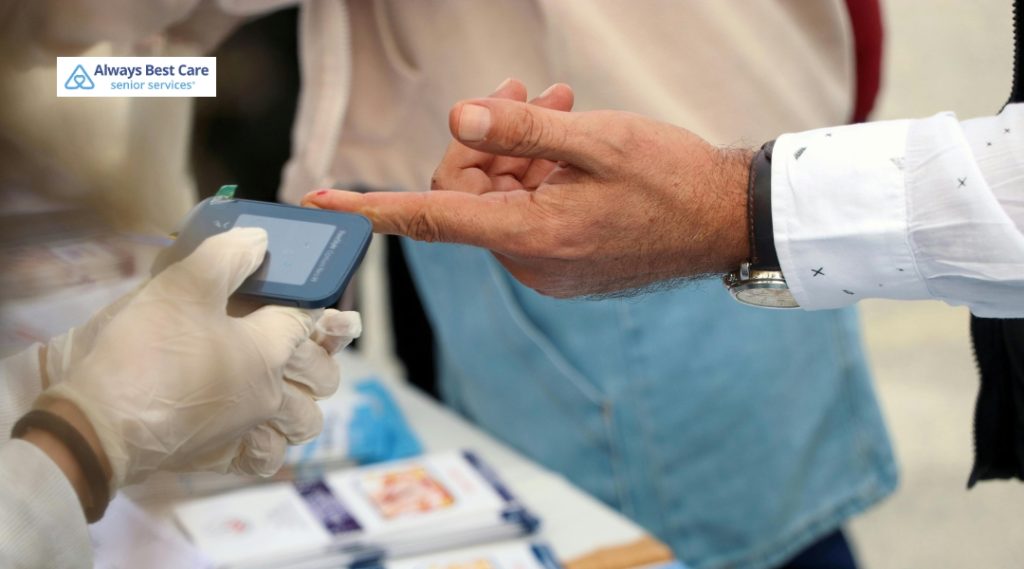
Effective management includes consistent blood sugar monitoring, adhering to prescribed medications or insulin schedules, and working with a dietitian to build a sustainable meal plan. Physical activity is equally important — even a 20-minute walk after meals can help regulate blood sugar levels.
Address Cholesterol and Heart Health Together
High LDL cholesterol contributes to atherosclerosis — the buildup of fatty plaques inside artery walls. When those plaques rupture or a clot forms around them, blood flow to the brain can be cut off entirely.
Heart conditions like AFib deserve special attention. AFib causes the heart to beat irregularly, which can allow blood to pool and clot. Those clots can travel to the brain, causing what’s known as a cardioembolic stroke. Seniors diagnosed with AFib are often prescribed blood thinners specifically to reduce this risk.
Supporting heart and vascular health:
- Choose foods rich in omega-3 fatty acids, such as salmon, walnuts, and flaxseed
- Replace saturated fats with healthier options like olive oil and avocado
- Follow prescribed medication plans without skipping doses
- Attend regular cardiology or primary care appointments
Move More — In Ways That Feel Sustainable
Exercise is one of the most powerful tools for stroke prevention. It lowers blood pressure, improves cholesterol ratios, helps regulate blood sugar, and supports a healthy weight. But for many seniors, the word “exercise” can feel intimidating.
The good news: consistency matters more than intensity. Accessible options include:
- Daily 20–30 minute walks at a comfortable pace
- Chair yoga or seated stretching routines
- Water aerobics or swimming, which are gentle on joints
- Tai chi, which also improves balance and reduces fall risk
- Light resistance training with bands or small weights
The goal is to move a non-negotiable part of the day, not an occasional event.
Eat to Protect Your Brain
Diet directly influences blood pressure, cholesterol, blood sugar, and inflammation — all of which affect stroke risk. A brain-healthy diet doesn’t require perfection, but it does require intention.
Prioritize:
- Colorful fruits and vegetables (aim for half the plate at every meal)
- Whole grains over refined carbohydrates
- Lean proteins: fish, legumes, skinless poultry
- Healthy fats: olive oil, nuts, seeds, avocado
- Adequate hydration throughout the day
Reduce:
- Sodium from processed and packaged foods
- Added sugars and sugary beverages
- Red and processed meats
- Trans fats found in fried and fast foods
Small, consistent dietary shifts over time produce meaningful cardiovascular benefits.
The Role of Caregiving in Stroke Prevention
For seniors managing multiple health conditions or living alone, maintaining healthy habits consistently can be genuinely difficult. A missed medication, an unnoticed blood pressure spike, or a week of poor nutrition can quietly increase risk.
Caregivers play a critical role in bridging that gap. Practical support includes:
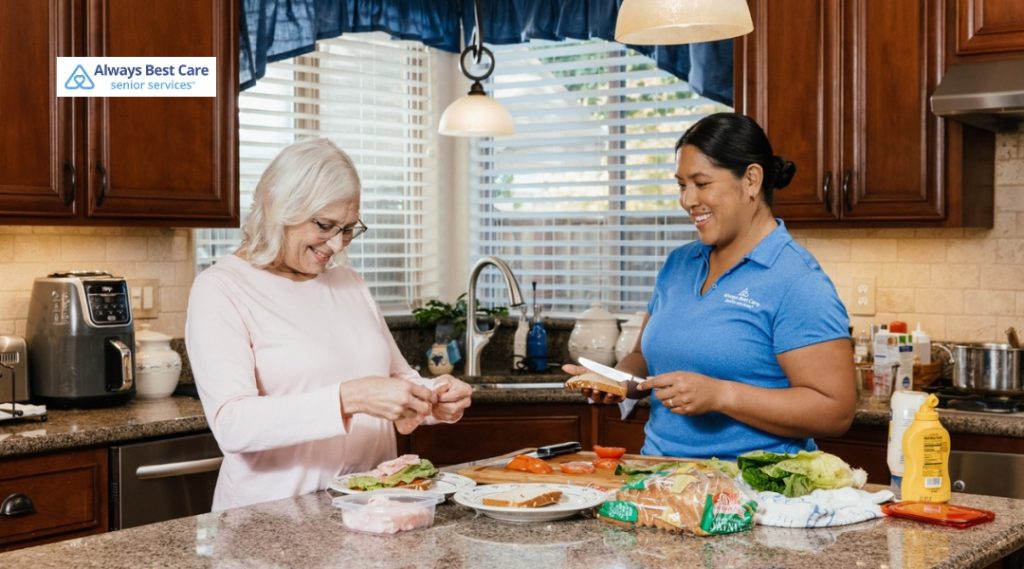
- Preparing nutritious meals that align with dietary guidelines
- Accompanying seniors on daily walks or exercise routines
- Tracking medications and ensuring they’re taken on schedule
- Noticing early warning signs — such as sudden confusion, facial drooping, or arm weakness — and acting quickly
- Coordinating transportation to medical appointments
This kind of consistent, attentive care can make a measurable difference in long-term health outcomes.
Frequently Asked Questions
Q: What is the most important thing seniors can do to prevent a stroke?
A: Controlling blood pressure is the single most impactful step. High blood pressure is the leading cause of stroke, and managing it through medication, diet, and lifestyle changes significantly reduces risk.
Q: At what age does stroke risk increase most significantly?
A: Stroke risk roughly doubles every decade after age 55. Adults over 65 account for the majority of stroke cases in the U.S., making prevention especially important in this age group.
Q: Can a senior who has already had a stroke reduce the risk of having another one?
A: Yes. Recurrent stroke risk is high, but it can be substantially reduced through medication adherence, lifestyle changes, and close medical follow-up. Secondary prevention is just as important as primary prevention.
Q: How can I tell if a senior is having a stroke?
A: Use the FAST acronym: Face drooping, Arm weakness, Speech difficulty, Time to call 911. Acting within the first hour dramatically improves outcomes.
Q: How can a caregiver help with stroke prevention at home?
A: Caregivers can support medication management, prepare heart-healthy meals, encourage daily physical activity, monitor for warning signs, and ensure seniors attend regular medical appointments — all of which contribute directly to stroke prevention.
Helping Seniors Stay Healthy and Independent in Milwaukee
Stroke prevention is not a single action — it’s a sustained commitment to healthy living. By managing chronic conditions, staying active, eating well, and having the right support in place, seniors can significantly reduce their risk and maintain the independence they value.
At Always Best Care of Milwaukee, our caregivers are trained to support seniors in building and maintaining the daily habits that protect brain health. From meal preparation and medication reminders to companionship and health monitoring, we’re here to help.
Call Always Best Care of Milwaukee today at (262) 439-8616 to schedule a care consultation and learn how we can help your loved one stay healthy, active, and independent.
Link to the Markdown File version of this article.