

What Do You Know About Parkinson’s Disease? Understanding the Condition with Compassion

What do you really know about Parkinson’s disease? Many people have heard the name, yet the condition itself can feel a bit mysterious. Parkinson’s disease is a progressive neurological disorder that mainly affects movement, but it also affects many other parts of daily life. Tremors, stiffness, slower motion, and balance difficulties often appear gradually. Still, here’s the encouraging part—when families understand the condition and provide supportive care, people living with Parkinson’s can continue enjoying meaningful routines, relationships, and everyday victories.
What You Will Learn
- The basics of Parkinson’s disease and how it affects the body
- Common symptoms families might notice early on
- Ways supportive care can improve daily life
- Why awareness and understanding make such a big difference
Table of Contents
What Do You Know About Parkinson’s Disease?
Let’s start with the big picture. Parkinson’s disease affects the nervous system, particularly the parts of the brain that control movement. Over time, the brain produces less dopamine—a chemical messenger responsible for smooth and coordinated motion.
Without enough dopamine, movements may become slower or less controlled. That’s why tremors, stiffness, and balance changes often develop.
But Parkinson’s isn’t only about physical movement. It can also influence mood, sleep patterns, memory, and overall energy levels. In other words, it touches many aspects of a person’s life.
Understanding this reality helps families approach care with patience, empathy, and realistic expectations.

Early Signs of Parkinson’s Disease
Sometimes the earliest signs of Parkinson’s are easy to overlook. A slight tremor, a slower walk, or stiffness in the hands might seem like normal aging at first.
However, certain symptoms tend to appear more frequently with Parkinson’s:
- Trembling in the hands or fingers
- Muscle stiffness or rigidity
- Slowed movement (often called bradykinesia)
- Balance and posture difficulties
- Softer speech or reduced facial expressions
These symptoms usually appear gradually rather than suddenly. That’s why awareness matters so much. When families recognize the early signs, they can seek guidance and support sooner.
And frankly, catching things early can make managing daily life a whole lot smoother.

Parkinson’s and Everyday Life
Living with Parkinson’s can bring challenges—but it doesn’t erase joy, independence, or purpose.
Many people continue enjoying hobbies, social activities, and family time for years after diagnosis. The secret sauce? A mix of awareness, routine, and supportive care.
Daily life may include adjustments such as:
- Creating consistent routines that support mobility and safety
- Staying physically active through gentle exercises
- Encouraging mental engagement with puzzles, reading, or conversation
- Receiving assistance when needed for walking or daily tasks
These small changes add up. Over time, they help people maintain confidence and independence.
And sometimes, it’s the simple things—a walk outside, a shared laugh, or morning coffee with family—that make the biggest difference.
The Role of Supportive Care
Caregivers play an incredibly important role in the lives of people living with Parkinson’s. Their support helps transform challenges into manageable routines.
Support may involve practical help, but emotional encouragement is just as important.
Caregivers often assist with:
- Safe mobility and fall prevention
- Medication reminders
- Meal preparation and daily routines
- Light exercise or stretching activities
- Companionship and emotional support
A supportive presence can ease anxiety and build confidence. After all, knowing someone’s nearby—ready to lend a hand—makes the journey feel far less overwhelming.

Why Understanding Parkinson’s Disease Matters
When people ask, “What Do You Know About Parkinson’s Disease?”, the answer shouldn’t stop at symptoms.
Understanding the condition leads to compassion. Compassion leads to better care.
Communities that are informed about Parkinson’s can offer meaningful support to families navigating the condition. From neighbors lending a helping hand to caregivers providing professional assistance, every bit of awareness helps.
Knowledge truly empowers families to create safer, happier daily experiences for their loved ones.
And honestly, the more we talk about Parkinson’s, the less intimidating it becomes.
Frequently Asked Questions
Q: What causes Parkinson’s disease?
A: Parkinson’s disease occurs when nerve cells in the brain that produce dopamine become damaged or die. The exact cause isn’t fully understood, but genetics and environmental factors may play a role.
Q: Is Parkinson’s disease only about tremors?
A: No. While tremors are common, Parkinson’s also affects stiffness, balance, movement speed, mood, sleep, and sometimes memory.
Q: Can people with Parkinson’s stay active?
A: Yes. Many individuals continue living active lives by staying engaged in exercise, social activities, and supportive routines.
Q: How can families support someone with Parkinson’s?
A: Families can help by learning about the condition, encouraging safe movement, offering emotional support, and seeking caregiving assistance when needed.
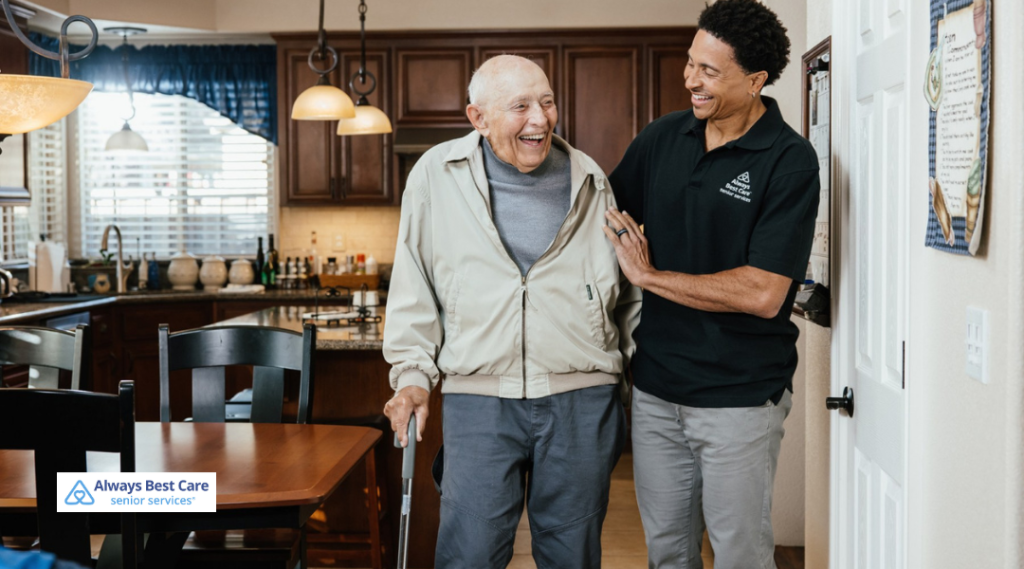
Understanding Parkinson’s Starts with Awareness
Understanding Parkinson’s disease opens the door to stronger support, greater patience, and more confident caregiving. When families ask themselves, “What Do You Know About Parkinson’s Disease?”, the answer becomes an opportunity to learn, grow, and show compassion.
With awareness, encouragement, and thoughtful care, people living with Parkinson’s can continue enjoying meaningful moments and daily achievements.
If your loved one is navigating Parkinson’s, remember—you don’t have to face it alone. Reach out to Always Best Care of Henderson today at 702-551-5505 for guidance, seek supportive caregiving services, and build a care plan that keeps comfort, dignity, and quality of life front and center. Together, every step forward becomes a little easier.
Link to the Markdown File version of this article.