
In-Home Stroke Recovery in Henderson with Therapy and Medical Oversight
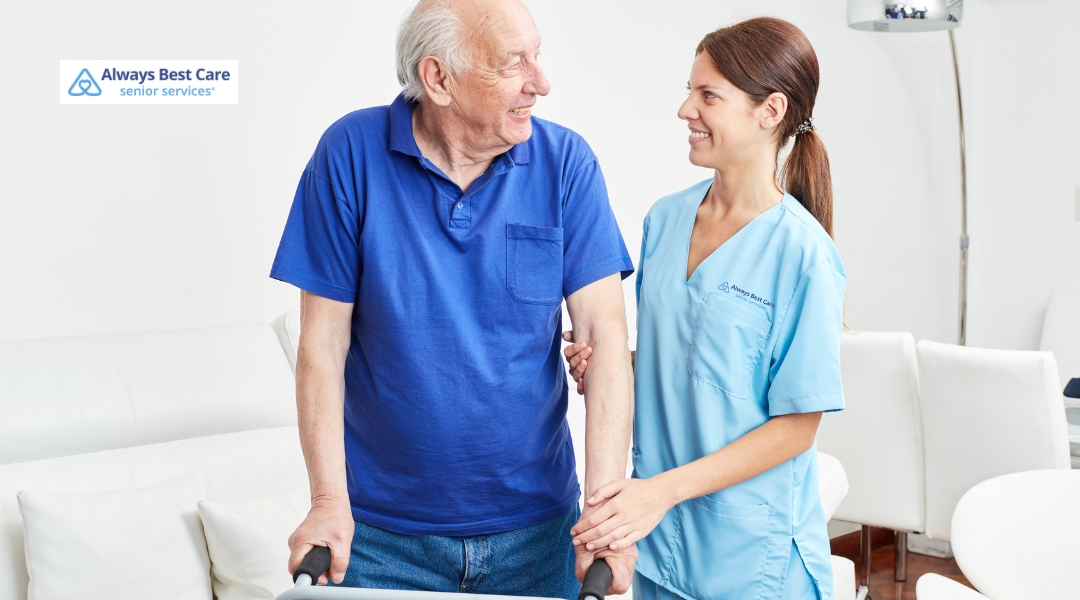
Returning home after a stroke is a significant milestone—but it is also the point where many families realize how much ongoing support is still needed. Hospital stays and inpatient rehabilitation programs address the immediate medical crisis, yet the real work of recovery often unfolds over weeks and months at home.
Home health services bridge that gap. By bringing skilled medical professionals directly into the home, stroke survivors in Henderson can continue their recovery in a familiar environment while receiving the clinical oversight and therapeutic support they need to make meaningful progress.
What you will learn:
- How professional in-home medical monitoring and skilled nursing keep recovery safe and on track right in your own living room.
- The way personalized physical and occupational therapy helps survivors relearn daily routines and rebuild strength in a familiar, cozy environment.
- The importance of emotional support and specialized oversight in preventing setbacks and boosting a survivor’s confidence.
- How a coordinated care team in Henderson provides a comprehensive, compassionate approach to help families feel supported every step of the way.
Table of Contents
The Ongoing Challenges of Stroke Recovery
No two strokes are alike. Depending on the area of the brain affected, survivors may face challenges with mobility, speech, memory, swallowing, or emotional regulation. Some experience partial paralysis on one side of the body. Others struggle with fatigue, cognitive changes, or difficulty performing tasks they once did without thinking.
These challenges do not resolve overnight. Recovery is a gradual process, and without consistent support, progress can stall—or worse, complications can go undetected. Home health services provide the structure and expertise to keep recovery on track.
Skilled Nursing: Medical Oversight Where It Matters Most
After a stroke, medical monitoring does not stop at discharge. A skilled home health nurse provides ongoing clinical oversight, helping to catch warning signs early and ensure that the recovery plan is working as intended.
Skilled nursing services may include:
- Monitoring blood pressure, heart rate, and other vital signs
- Managing medications and reviewing for interactions or dosing issues
- Watching for signs of a secondary stroke or new complications
- Wound care if surgery was part of the treatment process
- Educating family members on what to watch for and how to respond
- Coordinating with the patient’s physicians and specialists
Many stroke survivors also live with other chronic conditions such as diabetes, high blood pressure, or heart disease. Skilled nurses help manage these alongside stroke recovery, reducing the risk of complications that could set progress back.
Physical Therapy: Rebuilding Strength and Movement
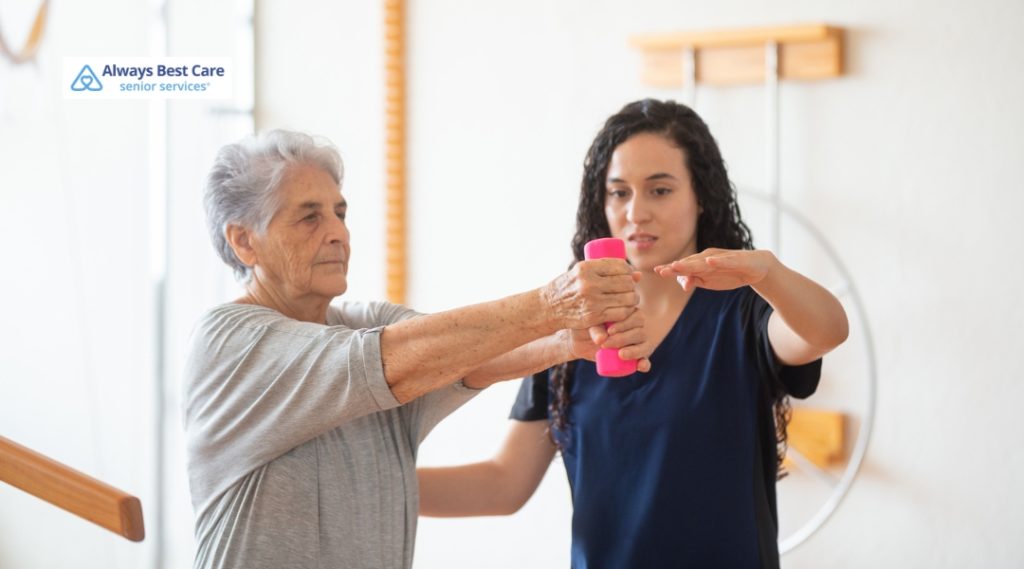
Weakness, balance problems, and limited mobility are among the most common effects of a stroke. Physical therapy is essential for helping survivors regain the ability to move safely and independently.
A home health physical therapist works with each patient based on their specific deficits and goals. Because sessions take place at home, therapy can be tailored to the actual environment where the patient lives—addressing real obstacles like stairs, narrow hallways, or uneven flooring.
Physical therapy focuses on:
- Rebuilding muscle strength and coordination
- Improving balance and reducing fall risk
- Restoring walking ability and safe movement
- Increasing range of motion in affected limbs
- Practicing transfers, such as moving from bed to chair
This home-based approach allows therapists to design exercises that translate directly into safer daily functioning—not just clinical improvement on a chart.
Occupational Therapy: Relearning the Routines of Daily Life
Physical recovery is only part of the picture. After a stroke, many seniors find that everyday tasks—getting dressed, preparing a meal, bathing safely—suddenly require significant effort or feel impossible without assistance.
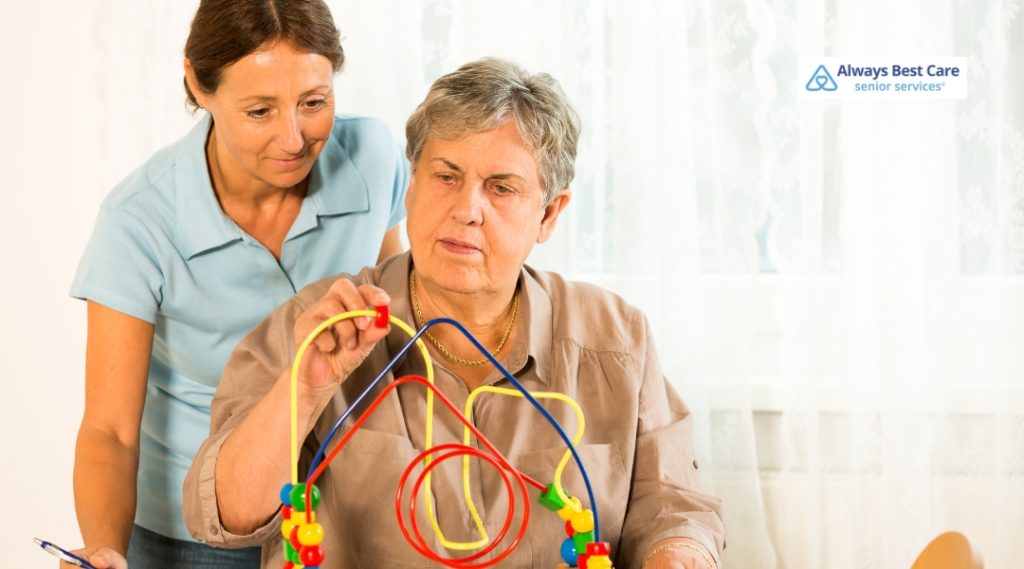
Occupational therapists help stroke survivors relearn these activities using adapted techniques, assistive tools, and modified approaches that account for their current abilities.
Occupational therapy may address:
- Safe bathing, grooming, and dressing routines
- Fine motor skills and hand coordination
- Kitchen safety and meal preparation strategies
- Recommending and training patients on assistive devices
- Home modifications to reduce hazards and improve accessibility
The goal is not just safety—it is restoring a sense of independence and confidence that stroke survivors may feel they have lost.
Monitoring for Complications and Setbacks
One of the most valuable aspects of home health is consistent, professional monitoring. Stroke recovery is rarely a straight line, and subtle changes in a patient’s condition can signal a serious problem if left unaddressed.
Home health teams watch for:
- Sudden changes in speech, vision, or movement
- Increased weakness or new balance difficulties
- Unusual confusion or cognitive changes
- Extreme fatigue or behavioral shifts
- Signs of infection, blood clots, or other secondary complications
Early identification of these warning signs can prevent hospital readmission and protect the progress a patient has worked hard to achieve.

Emotional and Psychological Support
The emotional impact of a stroke is often underestimated. Many survivors experience depression, anxiety, or frustration as they adjust to new limitations. The loss of independence—even temporarily—can take a significant toll on mental well-being.
Home health caregivers and clinicians provide more than medical support. Their consistent presence offers companionship, encouragement, and a sense of stability during a difficult time. Families also benefit, gaining confidence that their loved one is being monitored and cared for by professionals.
How Always Best Care of Henderson Supports Stroke Recovery
At Always Best Care of Henderson, we take a comprehensive approach to stroke recovery at home. Our team coordinates with physicians, therapists, and family members to build a care plan that reflects each patient’s unique needs and goals.
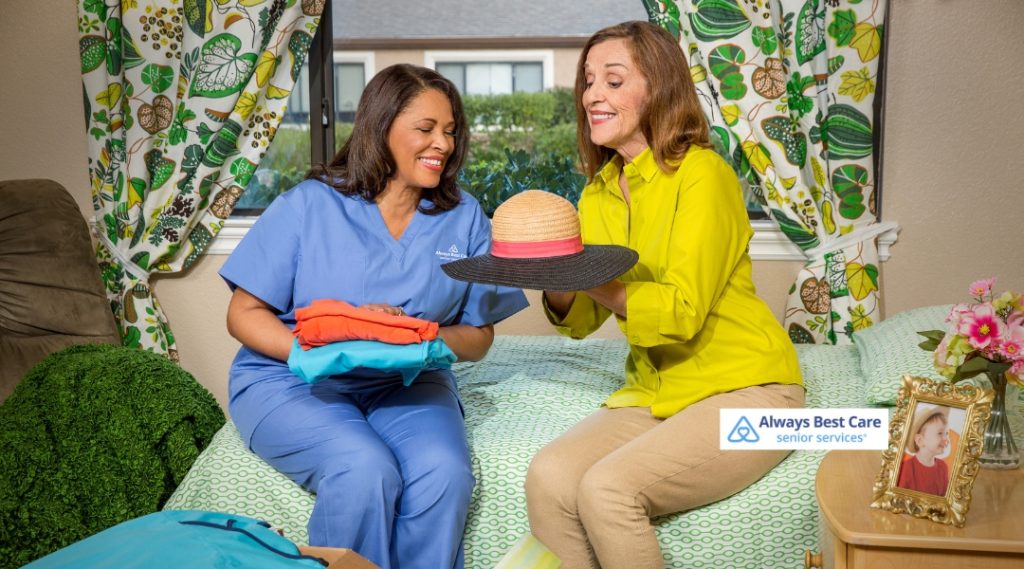
Beyond skilled nursing and therapy, our caregivers can assist with daily activities, transportation to follow-up appointments, meal preparation, and companionship—ensuring that no aspect of recovery is overlooked.
If your loved one is returning home after a stroke, we are here to help. Call Always Best Care of Henderson today at 702-551-5505 to schedule a care consultation.
Frequently Asked Questions
When should home health services begin after a stroke?
Home health services can typically begin within days of returning home from the hospital or a rehabilitation facility. Early intervention is important—starting therapy and nursing support promptly helps prevent complications and supports faster progress.
How long does home health care last after a stroke?
The duration varies depending on the severity of the stroke and the individual’s recovery goals. Some patients need home health services for a few weeks; others benefit from ongoing support for several months. Care plans are regularly reviewed and adjusted based on progress.
What is the difference between home health and home care?
Home health refers to skilled medical services provided by licensed professionals, such as nurses, physical therapists, and occupational therapists. Home care typically refers to non-medical assistance with daily activities like bathing, dressing, and meal preparation. Many families use both in combination.
Can family members be involved in the care plan?
Absolutely. Family involvement is encouraged. Home health professionals often educate family members on how to safely assist their loved one, what warning signs to watch for, and how to support recovery between visits.
Does insurance cover home health after a stroke?
Medicare and many private insurance plans cover skilled home health services when they are deemed medically necessary and ordered by a physician. Coverage details vary, so it is worth confirming with your provider. Always Best Care of Henderson can help guide families through the process.
What if my loved one needs more support than home health alone can provide?
If a patient’s needs exceed what home health services can address, Always Best Care of Henderson can help coordinate additional resources, including companion care, personal care assistance, or a transition to a higher level of care if necessary.
Link to the Markdown File version of this article.