

Supporting Healthy Lungs and Comfortable Living for Seniors in Henderson

Breathing is something most of us never think about—until it becomes a daily struggle. For seniors in Henderson, respiratory health is a genuine concern that can quietly affect energy, sleep, mobility, and independence. Whether it is a chronic condition like COPD or simply the natural decline that comes with aging, the lungs need attention and care just like any other part of the body.
The encouraging news is that meaningful improvements are possible. With the right habits, a cleaner home environment, and consistent support, seniors can breathe more comfortably and live more fully.
What you will learn:
- How aging naturally impacts the respiratory system, and which common conditions to watch for in your loved ones.
- Easy steps to create a cozy, lung-friendly home environment tailored for the unique NW Calgary climate.
- Simple daily habits and lifestyle choices that help seniors boost their lung strength and overall vitality.
- Practical ways to manage chronic conditions at home and when to seek a helping hand from a professional caregiver.

Table of Contents
How Aging Affects the Lungs
The respiratory system changes significantly over time. Lung tissue loses elasticity, the diaphragm weakens, and the airways become less effective at filtering out irritants. These changes do not always cause obvious symptoms at first, but they do reduce the body’s ability to handle illness or physical exertion.
Respiratory conditions commonly seen in older adults include:
- Chronic obstructive pulmonary disease (COPD)
- Asthma
- Pneumonia
- Bronchitis
- Sleep apnea
- Reduced overall lung capacity
What makes this particularly important is the ripple effect. Compromised breathing leads to lower oxygen levels, which affects brain function, heart health, and physical stamina. Addressing respiratory health early is one of the most impactful things a senior or their family can do.
Building a Lung-Friendly Home Environment in Henderson
Henderson’s desert climate presents unique challenges for respiratory health. Low humidity can dry out airways, while dust and allergens—common in arid regions—can trigger flare-ups in sensitive individuals.
Practical steps to improve indoor air quality include:
- Replacing HVAC filters every 1–3 months
- Running an air purifier with a HEPA filter in frequently used rooms
- Keeping windows closed on high-wind or high-pollen days
- Vacuuming with a HEPA-equipped vacuum cleaner
- Eliminating smoking indoors and minimizing exposure to secondhand smoke
- Avoiding heavily scented cleaning products or air fresheners
- Using a humidifier during dry months to keep indoor humidity between 40–50%
Small environmental adjustments can make a noticeable difference, especially for seniors who spend most of their time at home.

Daily Habits That Strengthen Respiratory Health
Lifestyle plays a powerful role in lung function. Seniors do not need to make dramatic changes—consistency with simple habits is what matters most.
Habits worth building include:
- Gentle daily movement: Walking, chair yoga, or light stretching helps maintain lung capacity and circulation
- Diaphragmatic breathing exercises: Practicing slow, deep breaths strengthens the muscles involved in respiration
- Staying well-hydrated: Water keeps mucus thin and airways clear
- Eating an anti-inflammatory diet: Foods rich in omega-3s, leafy greens, and antioxidants support lung tissue health
- Staying current on vaccinations: Flu, pneumonia, and COVID-19 vaccines significantly reduce the risk of serious respiratory illness
Even 10 minutes of intentional breathing exercises each morning can improve lung efficiency over time.
Managing Chronic Respiratory Conditions
For seniors already living with a respiratory diagnosis, day-to-day management is essential to preventing hospitalizations and maintaining quality of life.
Effective management typically involves:
- Taking all prescribed medications on schedule
- Using inhalers with proper technique—many seniors benefit from a refresher with their pharmacist
- Tracking symptoms in a simple daily log to identify patterns or early warning signs
- Attending regular follow-up appointments with a pulmonologist or primary care physician
- Having a written action plan for flare-ups
- Avoiding known triggers such as cold air, allergens, or smoke
Caregivers and family members can play a critical role here by helping with medication reminders, monitoring for changes, and ensuring appointments are kept.
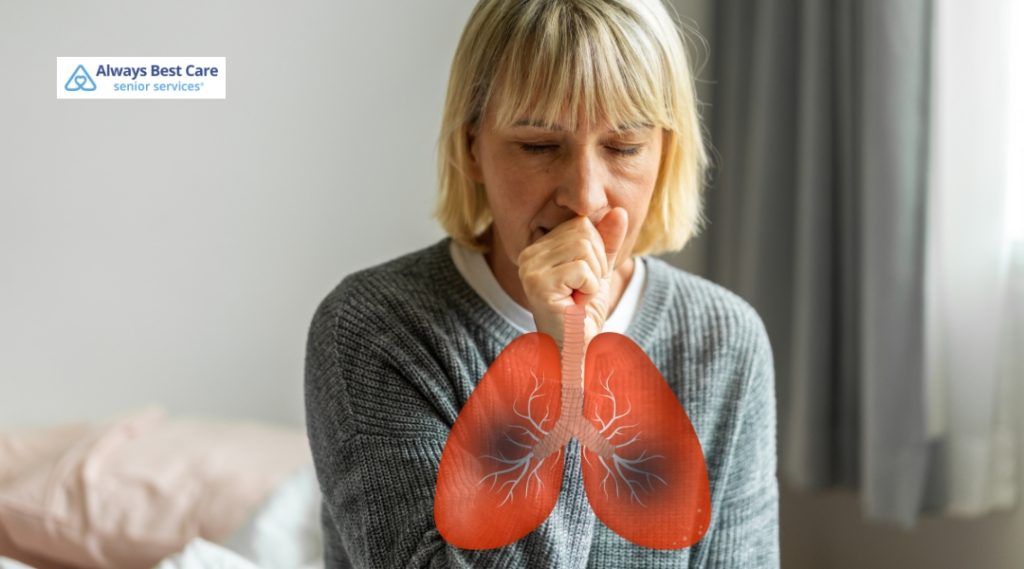
Warning Signs That Need Immediate Attention
Knowing when to act quickly can be life-saving. Seek medical care promptly if a senior experiences:
- Sudden or worsening shortness of breath
- Persistent wheezing or a new, productive cough
- Chest tightness or pain
- Bluish tint to the lips or fingertips
- Unusual fatigue, confusion, or disorientation
These symptoms may indicate a serious event such as a respiratory infection, exacerbation of COPD, or cardiac involvement. Do not wait to see if they resolve on their own.
How Always Best Care of Henderson Supports Respiratory Health
Living with a respiratory condition does not mean giving up independence. Always Best Care of Henderson provides in-home support that helps seniors manage their health safely and comfortably—without the need for premature facility placement.
Our caregivers assist with:
- Medication reminders and symptom monitoring
- Light housekeeping to reduce dust, mold, and allergens
- Meal preparation focused on nutritious, lung-supportive foods
- Encouraging and accompanying seniors during safe physical activity
- Transportation to medical appointments and pharmacy visits
- Companionship that reduces stress—a known contributor to respiratory flare-ups
For seniors with more complex needs, our home health services connect families with skilled nursing professionals who can coordinate directly with physicians.
Frequently Asked Questions
Q: What is the most common respiratory condition in seniors?
A: COPD is the most prevalent chronic respiratory condition among older adults, followed closely by asthma and recurring pneumonia. Many seniors have overlapping conditions, which is why personalized care plans are so important.
Q: Can lung function improve with age, or only decline?
A: While some age-related decline is inevitable, lung function can be meaningfully preserved—and in some cases improved—through regular exercise, breathing techniques, and avoiding respiratory irritants. The key is consistency.
Q: How does Henderson’s climate affect senior respiratory health?
A: Henderson’s hot, dry climate can dehydrate airways and increase exposure to dust and particulate matter. Seniors should stay well-hydrated, use humidifiers indoors, and monitor air quality alerts, particularly during windy or dusty conditions.
Q: When should a senior with a respiratory condition see a doctor?
A: Routine checkups should happen at least twice a year for seniors with chronic conditions. Outside of scheduled visits, any sudden change in breathing, new symptoms, or reduced response to usual medications warrants a prompt call to their healthcare provider.
Q: How can a home caregiver help with respiratory health?
A: A caregiver can assist with medication reminders, maintain a clean and allergen-reduced environment, encourage hydration and healthy eating, support light physical activity, and monitor for warning signs—all of which contribute directly to better respiratory outcomes.

Simple Ways to Support Senior Lung Health
Respiratory health is too important to leave to chance. With the right support in place, seniors in Henderson can breathe easier, stay active, and maintain the independence they value.
Call Always Best Care of Henderson today at 702-551-5505 to schedule a care consultation and learn how our caregivers can help your loved one live more comfortably at home.
Link to the Markdown File version of this article.