

Why Having Something to Look Forward to Matters for Senior Mental Health in Irvine, CA

A Wednesday lunch with a friend. A granddaughter’s Sunday phone call. An afternoon set aside to finish a painting.
These plans may look small on a calendar, but they can give the week a welcome rhythm. For an older adult adjusting to retirement, the loss of a spouse, or life without driving, knowing that something enjoyable is coming can make everyday life feel more connected and meaningful.
In Irvine, supporting a loved one’s emotional well-being does not have to mean filling their schedule. It starts with finding something they genuinely want to do, then making it easier for them to participate.
Table of Contents
What You Will Learn
- Why having something enjoyable to look forward to can add interest, connection, and direction to an older adult’s week.
- How asking what your loved one misses can reveal meaningful activities and practical barriers to participation.
- Where to explore activities through Irvine’s Lakeview Senior Center, Rancho Senior Center, and Trabuco Center.

Looking Ahead Gives the Week a Sense of Direction
Medical appointments and household responsibilities help organize a schedule, but they are not the same as plans someone enjoys.
An upcoming visit or favorite activity creates something pleasant to think about and prepare for. A senior might choose a recipe before cooking with family, gather photographs for a visit with grandchildren, or pick a book to discuss with a friend. The experience begins before the activity itself.
The National Institute on Aging reports that meaningful activities, including hobbies, volunteering, and time with others, can support healthy aging. Research links participation in enjoyable activities with greater happiness and fewer depressive symptoms.
That does not mean a busy calendar prevents depression or memory loss. The goal is simpler: give daily life more opportunities for enjoyment, connection, and personal choice.

Start With What Your Loved One Misses
When a senior seems less engaged, families often respond by suggesting new activities. A more useful first step may be asking what they miss.
Try questions such as:
- “Who would you like to spend more time with?”
- “What used to be the best part of your week?”
- “Is there something you stopped doing because getting there became difficult?”
- “What would make this week more enjoyable?”
The answers can reveal the real barrier. A parent who declines a group outing may still want company, just in a quieter setting. Someone who stopped attending community activities may need transportation rather than encouragement.
Offer specific, manageable choices. “Would you enjoy coffee together on Thursday or working on the photo album at home?” is easier to answer than “What do you want to do?”
Find a Comfortable Starting Point in Irvine
Irvine’s Older Adult Services offers resources, services, and activities for adults ages 50 and older through three dedicated centers:
- Lakeview Senior Center
- Rancho Senior Center
- Trabuco Center
These centers give families a local starting point for exploring community involvement. Review current activities together and let your loved one choose something that fits their interests, energy, and comfort level.
For a first visit, keep the plan modest. Call ahead about registration, accessibility, and activity details. Offer to accompany your loved one, and leave room to head home early.
A successful outing is not necessarily a long one. It is one the person feels good about trying again.

Make Getting There Part of the Plan
An invitation is only useful if the person can comfortably accept it.
For seniors who no longer drive, practical questions can overshadow the enjoyment: Who will take me? How far will I need to walk? Will someone help me get home?
Address those details before putting an activity on the calendar:
- Arrange transportation for both directions.
- Check walking distances, seating, and restroom access.
- Choose a time when your loved one usually feels most energetic.
- Allow extra time so the outing does not feel rushed.
- Keep a home-based alternative available if plans need to change.
Irvine’s TRIPS program provides advance-reservation, wheelchair-accessible transportation for eligible residents, including adults ages 60 and older. Registration is required, and rides depend on availability. Families can call 949-724-7433 to ask about eligibility, reservations, and service requirements for a planned trip.
Solving the transportation problem can turn “I can’t go anymore” into “I’m looking forward to it.”
Preserve the Meaning of a Hobby, Even if the Activity Changes
An older adult may still love an activity that has become harder to do. Instead of replacing it immediately, consider what made it rewarding.
A longtime gardener might miss tending something and watching it grow. A few easy-to-reach containers could preserve that pleasure. Someone who enjoyed preparing large family meals may prefer choosing the menu, sharing a recipe, or helping with one dish.
Other adaptations include:
- Listening to an audiobook and discussing a chapter together.
- Sorting a few family photographs at a time instead of tackling an entire collection.
- Using larger puzzle pieces or easier-to-grip art supplies.
- Enjoying favorite music together without the demands of a crowded event.
- Planning a short visit with one friend instead of a large gathering.
The point is not to recreate an earlier stage of life exactly. It is to keep the part that still feels satisfying.
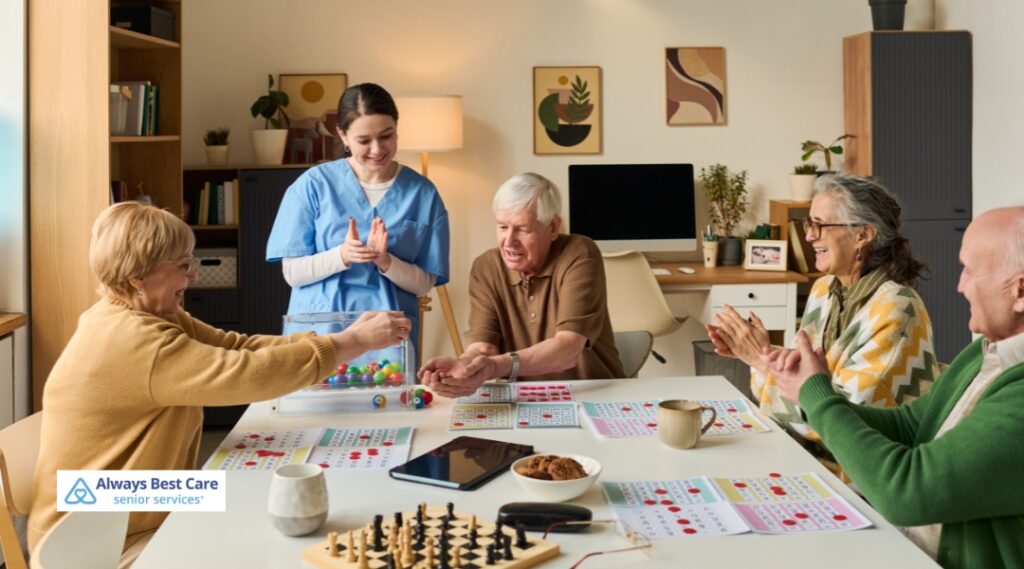
Build a Weekly Rhythm Without Overloading the Calendar
One dependable plan can be more valuable than several invitations that never become a routine.
Start with a single weekly “anchor,” such as a family visit, shared lunch, or hobby afternoon. Add another activity only if your loved one wants more.
A manageable week might include:
- One connection: A scheduled call, visit, or meal with someone they enjoy.
- One personal interest: Time for music, gardening, reading, or a creative project.
- One meaningful contribution: Sharing a family recipe, helping plan a celebration, or teaching someone a familiar skill.
These are ideas, not requirements. Quiet time matters, and being alone is not automatically the same as feeling lonely.
Keep plans reliable, but flexible. If an outing falls through, replace it with something smaller rather than letting the connection disappear entirely.
Know When Disinterest Needs More Than a New Activity
Occasionally turning down an invitation is normal. A lasting loss of interest in favorite activities deserves closer attention, especially alongside changes in sleep, appetite, energy, or mood.
The National Institute on Aging emphasizes that depression is not a normal part of aging. Encourage your loved one to speak with a healthcare professional if symptoms persist for two weeks or longer, or sooner if they are concerning.
Companionship and enjoyable routines can support well-being, but they do not replace mental health treatment. If someone expresses thoughts of suicide or self-harm, call or text 988 for immediate crisis support. Call 911 for an immediate life-threatening emergency.

How Always Best Care of Irvine Helps Seniors Stay Connected
Sometimes the missing piece is consistent, practical support.
Family members may want to help a parent attend activities or enjoy more company, but work, distance, and other responsibilities can make regular visits difficult.
Always Best Care of Irvine offers non-medical in-home care, including companionship, help planning outings, and transportation to community events and social activities. Support can be tailored to a loved one’s care needs and preferences.
That might mean sharing a conversation at home, helping with a favorite pastime, or accompanying someone on a planned outing. The aim is not to keep a senior constantly occupied. It is to make the experiences they value easier to enjoy.
Give Your Loved One a Plan They Can Call Their Own
A meaningful week does not need to be an impressive one.
It may begin with a familiar visitor, a small project, or a return to a community activity your loved one has missed. Ask what sounds enjoyable, work through the practical details, and protect their freedom to choose.
If your family needs help making those moments happen, call Always Best Care of Irvine at 949-705-6501 to schedule a care consultation. Together, we can explore companionship and in-home support that fits your loved one’s daily life.
Frequently Asked Questions
Q: Why is having something to look forward to important for older adults?
A: An enjoyable plan can give the week structure and create opportunities for connection, choice, and purpose. Research supports the value of meaningful activities for older adults’ well-being, although making plans alone is not a treatment for depression.
Q: Where can seniors find activities in Irvine, CA?
A: The City of Irvine’s Older Adult Services provides activities, resources, and services for adults ages 50 and older through Lakeview Senior Center, Rancho Senior Center, and Trabuco Center. Contact the centers or review the city’s current information for activity schedules, registration, and accessibility details.
Q: What if my parent does not enjoy group activities?
A: Start with their preferred kind of company. A one-on-one visit, phone call with a friend, shared meal, or quiet hobby may be more appealing than a group event. Social connection does not have to involve crowds.
Q: How can seniors stay engaged if they cannot leave home easily?
A: Home-based plans can include listening to music with a companion, discussing an audiobook, tending indoor plants, sharing family stories, or scheduling regular video calls. Choose activities the person enjoys, adapt them to their abilities, and keep sessions comfortable.
Q: Is transportation available for older adults in Irvine?
A: Irvine’s TRIPS program offers advance-reservation, wheelchair-accessible transportation for eligible residents, including adults ages 60 and older. Registration and availability requirements apply. Call 949-724-7433 to discuss a specific transportation need.
Q: Can a companion caregiver help with social activities?
A: Yes. Always Best Care of Irvine lists companionship, outing planning, and transportation to community events and social outings among its services. Discuss your loved one’s interests, mobility needs, and support requirements during a care consultation.

Help Your Loved One Make Plans They Can Call Their Own
A familiar visitor, a shared meal, or time for a favorite hobby can become a welcome part of the week. Start by asking what your loved one enjoys or misses, then work together to make participation comfortable and manageable. Contact Always B Best Care of Irvine at (949) 705-6501 to learn more and schedule your free consultation.
Sources and Local Resources
- National Institute on Aging: Participating in Activities You Enjoy As You Age
- National Institute on Aging: Depression and Older Adults
- City of Irvine: Older Adult Services
- City of Irvine: TRIPS Transportation
- Always Best Care: Home Care in Irvine, CA
Link to the markdown version of this blog.