
Supporting Seniors with Chronic Conditions at Home in Kingwood

Home often becomes increasingly important as people grow older. It is where familiar routines happen, meaningful belongings are kept, and seniors can spend their days in surroundings they know well. When an older adult begins managing a chronic health condition, staying in that familiar environment may remain a priority.
Heart disease, diabetes, arthritis, COPD, Parkinson’s, and other ongoing conditions can change the way seniors approach everyday responsibilities. Preparing meals may require more energy, getting to appointments may become difficult, or mobility changes may make certain household activities less comfortable.
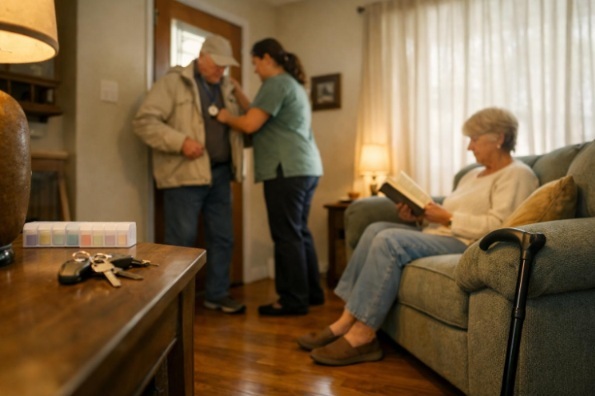
These challenges do not necessarily mean an older adult has to leave home. Personalized in-home assistance can help many Kingwood seniors continue living in familiar surroundings while receiving support with activities that have become more demanding.
The right care can complement a senior’s abilities rather than replace them, allowing older adults to remain involved in their routines and maintain as much independence as possible.
Table of Contents
When Chronic Conditions Begin Affecting Daily Routines
Living with an ongoing health condition often requires attention every day. Seniors may have medications to remember, appointments to attend, dietary recommendations to follow, and changes in mobility or energy to accommodate.
Managing several responsibilities at once can become challenging, especially for an older adult who lives independently.
Common concerns may include:
- Managing multiple medications and treatment instructions
- Reduced mobility or ongoing discomfort
- Fatigue that makes household tasks more demanding
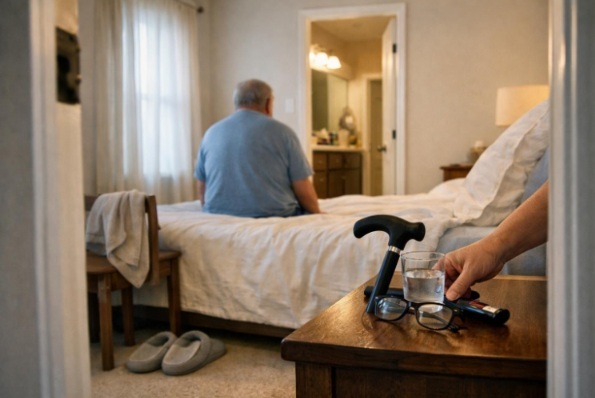
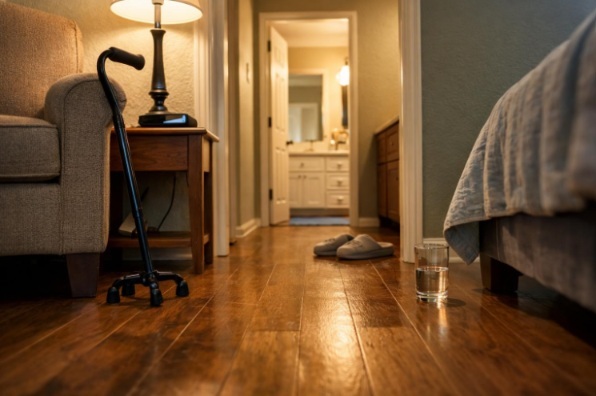
- Increased risk of falls or injuries
- Difficulty getting to healthcare appointments
- Changes in everyday routines
- Feelings of loneliness or social isolation
Over time, these concerns can make daily life harder for seniors as well as family members trying to provide assistance.
In-home support can help relieve some of these everyday pressures while allowing older adults to continue participating in the activities they are able to manage safely.
Keeping Seniors Involved in Their Own Care
Maintaining independence does not mean doing everything without assistance. For many older adults, independence means continuing to make choices, participate in routines, and remain involved in decisions about their daily lives.
Caregivers can support that independence by providing help only where it is needed.
One senior may benefit from assistance with meal preparation but continue dressing independently. Another may need help with personal care while remaining actively involved in household decisions and hobbies.
Personalized support allows these differences to be respected.
Rather than applying the same routine to every person, in-home care can be adjusted around the senior’s abilities, preferences, and changing needs. This approach can help older adults remain confident while giving families reassurance that additional help is available.
Helping with Everyday Responsibilities in Kingwood
Daily tasks can require considerably more energy when someone is managing an ongoing condition. Fatigue, reduced strength, discomfort, or mobility limitations may turn ordinary responsibilities into physically demanding activities.
Caregivers can help make the day more manageable through assistance with:
- Bathing and dressing
- Meal planning and preparation
- Light housekeeping
- Laundry
- Grocery shopping and errands
- Transportation to medical appointments
- Medication reminders
Receiving help with these responsibilities can allow seniors to conserve energy for other priorities, including appropriate physical activity, family visits, hobbies, and rest.
The amount of support can also change over time. Families may begin with assistance for a few specific tasks and adjust the care routine if their loved one’s abilities or health needs change.
Creating Consistency Around Health Routines
Many chronic conditions require seniors to follow routines consistently. Missing medications, skipping meals, becoming dehydrated, or forgetting healthcare appointments may make health management more difficult.
A caregiver can help provide structure around routines that have already been established by the senior and their healthcare providers.
Support may include:
- Providing prescribed medication reminders
- Preparing balanced meals
- Encouraging appropriate hydration
- Supporting physician-approved activity
- Helping seniors keep scheduled appointments
- Maintaining consistent everyday routines
Caregivers do not replace doctors or provide medical diagnoses. Instead, they offer practical assistance that can help older adults follow their established care routines more consistently.
For a senior living with a chronic illness, having another person available to help with everyday responsibilities can make a complicated routine feel more manageable.
Watching for Changes in a Senior’s Normal Routine
Ongoing health conditions may sometimes result in unexpected changes. Regular interaction can make it easier for caregivers and family members to recognize when a senior does not seem like themselves.
Changes that may deserve attention include:
- Reduced appetite
- Increased or unusual fatigue
- New difficulty walking or moving safely
- Shortness of breath
- Swelling or changes in mobility
- Confusion or unusual behavior
Caregivers do not determine what these symptoms mean medically. Their regular presence, however, may help them notice that something has changed.
When a concern is identified, family members can be informed so they can contact the appropriate healthcare provider when necessary. Responding promptly to noticeable changes may help prevent a smaller concern from becoming more serious.
Making the Home Easier to Manage
Home can remain comfortable and familiar even as a senior’s abilities change, but certain responsibilities may require additional assistance.
For someone with reduced stamina, spending significant energy on laundry, meal preparation, shopping, or housekeeping may leave less energy for other activities.
Caregiver assistance can help reduce that strain.
Light housekeeping can help keep commonly used areas organized. Meal preparation can make regular nutrition easier to maintain. Help with errands can reduce unnecessary trips outside the home, while transportation assistance can make getting to appointments more manageable.
These services can be adjusted according to what the senior can still safely do independently.
The goal is not to remove responsibility unnecessarily. It is to make the home routine easier to navigate so seniors can continue participating in everyday life.
Supporting Emotional Health Alongside Physical Needs
Managing a chronic condition can affect more than physical abilities. Changes in mobility, energy, or independence may also influence how a senior feels emotionally.
Some older adults may become frustrated when tasks take longer than they once did. Others may feel isolated if they no longer drive or participate in social activities as frequently.
Companionship can help seniors maintain regular social interaction.
A caregiver may:
- Spend time talking and listening
- Share meals with the senior
- Participate in favorite hobbies
- Accompany the senior on appropriate activities
- Encourage connections with family and friends
- Provide a consistent and familiar presence
Meaningful interaction can help make daily routines feel less isolating.
Families may also feel reassured knowing that someone dependable is regularly spending time with their loved one when they cannot be there themselves.
Providing Additional Support for Family Caregivers
Family members often play an important role when an older loved one develops a chronic condition. They may coordinate appointments, shop for groceries, prepare meals, provide transportation, or regularly check in.
As care needs increase, balancing these responsibilities with work and personal commitments can become difficult.
Professional caregivers can provide another layer of assistance without replacing the family’s role.
For example, a caregiver might handle meal preparation and companionship during the week while family members remain involved with appointments and other decisions. Another family may use caregiver support primarily for personal care, errands, or transportation.
This shared approach can help make ongoing care responsibilities more manageable while keeping family members involved in their loved one’s life.
How Always Best Care of Kingwood Supports Aging in Place
At Always Best Care of Kingwood, we recognize that chronic conditions affect every senior differently. A useful care plan should reflect the individual rather than rely on the same approach for everyone.
Our caregivers provide personalized assistance based on a senior’s routines, abilities, preferences, and everyday needs.
Depending on the individual, support may include:
- Personal care
- Nutritious meal preparation
- Medication reminders
- Light housekeeping
- Transportation and errands
- Companionship
- Assistance with everyday routines
Whether a loved one is managing diabetes, COPD, mobility limitations, or several ongoing health concerns, having dependable assistance can make everyday life at home easier to manage.
As circumstances change, families can also consider adjustments to the amount or type of support their loved one receives.
Helping Kingwood Seniors Continue Living Where They Feel at Home
A chronic condition can change how an older adult manages everyday responsibilities, but it does not automatically have to determine where that person lives.
For many seniors, the right amount of assistance can help make aging in place more practical. Caregivers can provide help with demanding activities, encourage established routines, offer companionship, and support seniors as they continue participating in their daily lives.
For families, professional in-home care can also provide reassurance and an additional source of dependable support.
If your loved one is managing an ongoing health condition and could benefit from assistance at home, Always Best Care of Kingwood is ready to help you explore care based on their individual needs.
Call Always Best Care of Kingwood at (713) 898-5475 to learn more about personalized in-home care services and how our caregivers can help your loved one remain safe, comfortable, confident, and independent at home.