
How Caregivers Create Comforting Routines for Seniors

A familiar routine can make home care in Kingwood, TX feel like support rather than an interruption. For many older adults, knowing when breakfast happens, where their clothes are laid out, or who will accompany them on an errand protects a sense of control during a time when other parts of life may feel less predictable.
Routine is not about scheduling every minute. It is about keeping the parts of the day that make a person feel like themselves, while adding the right amount of assistance for safety, comfort, and independence.
Table of Contents
Why Familiar Routines Matter When a Senior Receives Home Care
A new caregiver can bring understandable worry for an older adult. They may fear being watched, rushed, or treated as though they can no longer make decisions. Starting with familiar rhythms helps reduce that resistance because the caregiver is fitting into the senior’s home life, not trying to replace it.
Predictable support also makes practical tasks easier. When bathing, meals, grooming, rest, errands, and social time occur in a pattern the senior recognizes, there are fewer last-minute decisions and less chance that essential tasks are skipped.
The goal is not to preserve every habit if it has become unsafe or difficult. Instead, families can keep the meaning of the habit while changing the method. A senior who has always dressed independently, for example, may still choose each outfit while receiving help with buttons, shoes, or steadying support.
Checklist: Start with the Senior’s Existing Preferences and Patterns
Before care begins, write down the details that make a normal day feel familiar. A short preference list gives a new caregiver a better starting point than general instructions such as “keep Mom company.”
- Preferred wake-up and bedtime: Some people are ready for help early, while others need a slow start. Arriving at the wrong point in the day can make care feel intrusive from the start.
- Usual meals and eating times: Note favorite breakfast foods, preferred drinks, food routines, and whether the senior likes company during meals. Familiar choices can encourage regular eating without turning mealtime into a struggle.
- Grooming and clothing habits: Include details such as a favorite robe, preferred hairstyle, shaving routine, or the order in which someone gets dressed. Personal care is more comfortable when it protects privacy and dignity.
- Rest periods: Many older adults need quiet time after breakfast, lunch, appointments, or visitors. Planning around those periods can prevent fatigue and irritability.
- Favorite activities: Television programs, music, puzzles, reading, gardening, faith activities, or time on the porch may be small routines with a big emotional impact.
- Social patterns: Record regular calls, visits, community activities, and preferred places to go. A caregiver can help maintain these connections instead of accidentally scheduling over them.
Families should share this information in writing and update it when needed. It also helps to tell the caregiver what not to do, such as moving personal items, changing a preferred meal, or pushing conversation when the senior values quiet.
Checklist: Build Support Around Everyday Personal Care and Home Tasks
Effective in-home care for daily routines often happens in ordinary moments. Assistance should fill the gap that has become difficult, rather than taking over tasks the senior can still safely manage.
Dressing and grooming
A caregiver can set out clothing, assist with fasteners, offer steadying support, and allow enough time so the senior is not rushed. This protects confidence and helps prevent a long morning task from becoming exhausting.
Meal preparation
Meals can be planned around the person’s usual schedule and food preferences. The caregiver may prepare ingredients, cook, serve, and clean up while the senior remains involved at whatever level feels comfortable.
Light housekeeping
Folding laundry, washing dishes, changing linens, and clearing commonly used spaces can be worked into the day without rearranging the home. Keeping essentials in familiar places matters more than making the home look different.
Medication reminders
Non-medical caregivers can provide reminders at the established time. Families should make sure the routine is clear, including where reminders are kept and who should be notified if a dose is missed or there is confusion.
Errands and transportation
A regular grocery trip, pharmacy stop, salon appointment, or visit with a friend can stay on the calendar with appropriate assistance. Keeping these outings predictable can help a senior remain connected to life beyond the home.
A well-planned care routine can also reduce tension between adult children and a parent. Instead of every visit becoming a list of chores, family members have more room for conversation and time together. For a broader view of that change, read how home care improves life seniors families.
Make Companionship Part of the Routine, Not an Afterthought
Companionship is more than filling silence. A consistent caregiver can notice changes in mood, appetite, confidence, or willingness to leave the house, then share appropriate observations with the family. Meaningful interaction can begin with the senior’s own interests, such as favorite memories, music, sports, books, or local events, allowing conversation to feel natural rather than forced.
Familiar hobbies can also remain part of the daily routine. A caregiver may set up a puzzle, organize photos, bring materials to a table, or simply sit nearby while the senior enjoys a favorite pastime. When appropriate, support with walks or outings can help an older adult continue activities they may otherwise avoid because they feel unsteady or less confident.
Regular check-ins can provide another dependable source of connection. Scheduled visits, companion time, or telephone reassurance may help a senior feel supported while maintaining familiar routines and independence.
Checklist: Include Safety Touchpoints That Preserve Peace of Mind
Safety works best when it is built into ordinary routines, not presented as a loss of freedom. The aim is to spot avoidable problems early and provide backup where the senior is most vulnerable.
- Review daily pathways: Notice whether the senior avoids a bathroom, bedroom, stairs, or outdoor area. Avoidance can signal mobility difficulty, fear of falling, poor lighting, or trouble managing a task that used to be easy.
- Match supervision to high-risk times: Getting out of bed, bathing, dressing, meal preparation, and returning home from an outing may require more support than the rest of the day.
- Plan transportation instead of relying on last-minute driving: Help with rides and community escorts can keep appointments and errands manageable without putting pressure on a senior to drive when they do not feel confident.
- Consider a Personal Emergency Response System: A PERS device can give a senior a way to call for help if they need it. It is most useful when the person understands how and when to use it.
- Ask about reassurance and monitoring-related options: Telephone reassurance, safety assessments, and other available support options may fit families who need regular check-ins without having a caregiver present all day. These supports are not a substitute for medical care or emergency services.
Checklist: Revisit the Routine When Needs or Preferences Change
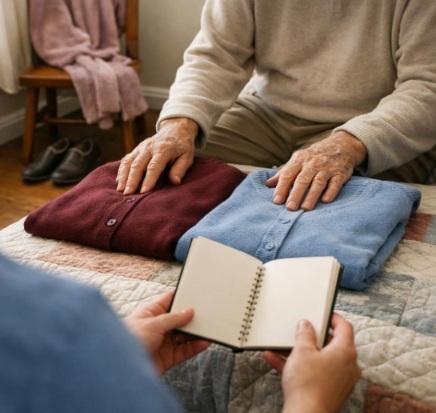
A routine should be stable, but it should not be fixed. Families often wait too long to adjust because they do not want to upset a parent or add more help than seems necessary. Waiting can leave the senior isolated, tired, or trying to manage tasks that no longer feel safe.
- Watch for tasks taking much longer than before: Delayed dressing, missed meals, unwashed laundry, or unfinished errands can mean the current level of support is no longer enough.
- Pay attention to withdrawal: Skipping social activities, avoiding rooms in the house, or refusing to bathe may indicate that a task has become difficult, embarrassing, or frightening.
- Notice caregiver strain within the family: If relatives are constantly changing work schedules, making urgent trips, or arguing about who will help, the care plan may need more consistent coverage.
- Discuss changes early: Tell the agency what has changed, what the senior still wants to do independently, and which times of day have become harder. Care may begin with part-time visits and expand toward more frequent or around-the-clock assistance if daily needs increase.
Finding Personalized Home Care in Kingwood, TX
The right routine gives an older adult support while preserving the familiar habits that make home feel safe and personal. Customized non-medical care may include companionship, personal care, meal support, transportation, reassurance programs, and safety-focused assistance. Families can learn more about our home care team and the approach we bring to supporting older adults at home.
For families considering home care in Kingwood, TX, call Always Best Care of Kingwood at (832) 852-5292 to discuss a routine that fits your loved one needs.