
How In-Home Care Helps Families Caring From Outside Kingwood
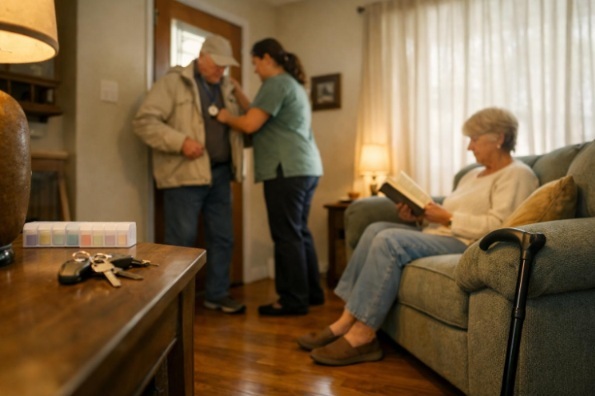
Many adult children trying to support aging parents from another city quickly realize how hard it is to manage care from a distance. Phone calls only reveal so much. A parent may say they are “doing fine,” while unopened mail, missed medications, poor eating habits, or mobility changes tell a different story. This is one reason families often begin exploring home care services in Houston, TX, when regular check-ins are no longer enough to ensure a loved one’s safety and well-being.
Distance caregiving carries a different kind of stress. Families are not only worried about emergencies. They also struggle with uncertainty. Is Mom showering safely? Is Dad eating balanced meals? Has memory loss started affecting daily routines? Those unanswered questions can create constant anxiety, especially when family members cannot physically stop by after work or during the weekend.
In-home care helps close that gap. It gives families trusted eyes and hands nearby while allowing seniors to remain in the comfort of home.
Table of Contents
The Hidden Problems Long-Distance Caregivers Usually Miss
One of the biggest challenges for out-of-town caregivers is that decline often happens gradually.
A senior may still sound sharp during a ten-minute phone call while quietly struggling with everyday tasks behind the scenes. Families commonly overlook early warning signs because they only see their loved one during holidays or occasional visits.
We often see concerns like:
- Food is expiring in the refrigerator because cooking feels overwhelming
- Laundry is piling up due to balance problems carrying baskets
- Missed appointments because driving has become stressful
- Increased isolation after a spouse passes away
- Small memory lapses are turning into medication mistakes
These changes rarely happen all at once. They build slowly. The problem is that seniors often adapt in ways that hide the issue. Some stop using upstairs rooms. Others wear the same clothes repeatedly to avoid laundry. A parent who once hosted family dinners may suddenly prefer restaurants because cooking feels exhausting.
Families living nearby may notice these patterns early. Long-distance caregivers usually do not.
Why Seniors Often Resist Help at First
Many adult children assume their parents will welcome support once they explain the benefits. In reality, resistance is common.
For many older adults, accepting help feels emotionally tied to losing independence. Some fear becoming a burden. Others worry strangers will take over their home or routines.
This is where the right caregiver relationship matters.
Experienced in-home caregivers understand that trust develops gradually. The first few visits may focus less on personal care and more on companionship, meal preparation, or help around the house. Once seniors feel respected instead of managed, they often become more open to support.
We have seen seniors who initially refused assistance later look forward to caregiver visits because those visits restored structure and social connection to their week.
Small Safety Issues Become Bigger Risks Faster Than Families Expect
Long-distance caregivers are often called only after a crisis occurs.
A fall, hospitalization, wandering episode, or medication mistake suddenly forces urgent decisions. Families then scramble to coordinate care while balancing work schedules, travel, and emotional stress.
The difficult part is that many emergencies start with smaller warning signs months earlier.
A senior avoiding showers may actually fear slipping. Poor nutrition can lead to weakness and falls. Missed medications may cause confusion that families mistake for normal aging.
In-home care introduces another layer of observation before situations escalate.
Caregivers can notice:
Changes in Mobility
Walking slower, holding onto furniture, or struggling with stairs can signal increasing fall risk long before an accident happens.
Changes in Mood or Routine
Withdrawal from hobbies, canceled outings, or sleeping more often may point to depression, loneliness, or cognitive decline.
Changes Inside the Home
Stacks of unpaid bills, spoiled groceries, or cluttered walkways often reveal that daily tasks are becoming harder to manage safely.
These observations help families make informed decisions earlier instead of reacting during a crisis.
Consistent Communication Reduces Family Anxiety
One of the most valuable parts of in-home care for out-of-town families is communication.
Long-distance caregiving can feel emotionally exhausting because adult children are constantly wondering what is happening between visits. Many spend evenings worrying after unanswered phone calls or noticing confusion during conversations.
Reliable caregiver updates provide clarity.
Knowing someone checked in, prepared meals, confirmed medications, or noticed a concerning change gives families peace of mind they cannot get from occasional calls alone.
This also helps reduce tension between siblings.
When brothers and sisters live in different cities, disagreements often happen because each person has a different perception of the parent’s condition. Consistent caregiving notes and observations create a clearer picture for everyone involved.
Care Support Helps Seniors Stay Independent Longer
Families sometimes fear that introducing care means “giving up” independence. In many cases, the opposite is true.
Waiting too long often leads to bigger health setbacks that reduce choices later.
A few hours of weekly support can help seniors maintain routines that become difficult alone. Assistance with meals, transportation, housekeeping, or medication reminders may prevent situations that otherwise lead to hospitalization or assisted living placement.
Many seniors function well with targeted support long before they need around-the-clock care.
This approach also gives families time to plan thoughtfully instead of making rushed decisions during emergencies.
What Long-Distance Families Should Look for in a Care Partner
Not all caregiving experiences feel the same for families living outside the area.
Communication style matters. Reliability matters. Consistency matters even more.
Families should look for caregivers and care coordinators who:
- Communicate changes clearly and promptly
- Understand dementia-related behaviors compassionately
- Build trust with resistant seniors patiently
- Recognize subtle safety concerns early
- Help families adjust care gradually as needs change
The goal is not simply completing tasks. The goal is to help seniors remain safe, supported, and emotionally connected while reducing stress for family members carrying responsibility from afar.
When Distance Makes Caregiving Feel Overwhelming
Many adult children carry guilt about not living closer to aging parents. The reality is that careers, children, military service, and financial responsibilities often make relocation impossible.
Support does not have to come only from family members physically nearby.
The right care plan can create stability, reduce crisis-driven decisions, and help seniors maintain dignity at home longer. Families who start support earlier often find they spend less time managing emergencies and more time simply being family again.
If you are trying to balance caregiving from another city or state, speaking with a local team about personalized in-home support can help you understand what level of care may actually improve daily life for both you and your loved one. Always Best Care of Kingwood provides compassionate guidance for families navigating these decisions every day. To discuss care options or schedule a conversation about your family’s needs, call (713) 898-5475 and learn how home care services in Houston, TX can provide trusted support when you cannot always be nearby.