
How In-Home Senior Care Helps Couples Age Together
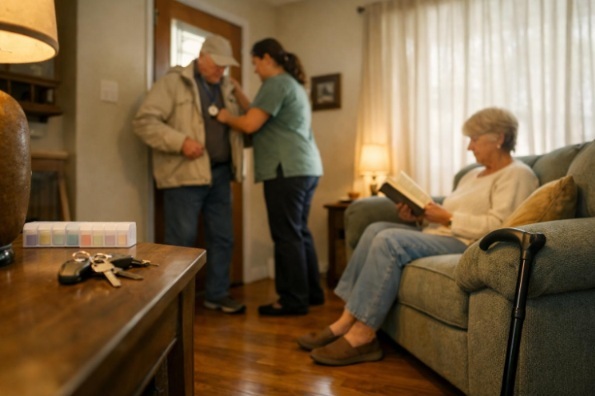
Home care in Humble, TX can help a couple remain together at home when one partner begins needing more support than the other. The goal is not to take over the household. It is to make daily life safer and more manageable while protecting each spouse’s role, routine, and sense of independence.
Table of Contents
When One Partner Needs More Help, Both Partners Are Affected
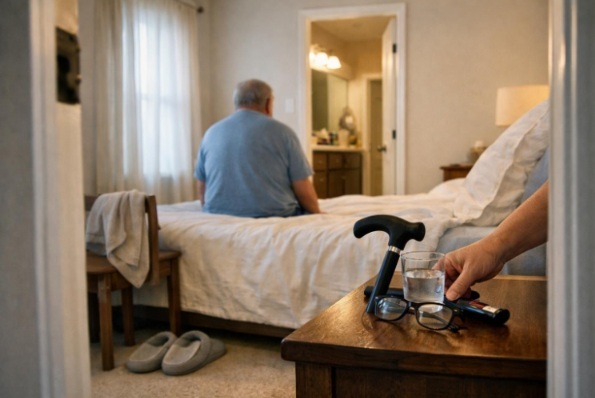
A change in one spouse’s mobility, memory, daily habits, or confidence rarely affects only that person. The more independent spouse may quietly begin doing all the driving, cooking, laundry, reminders, and supervision, while also trying to keep up with their own appointments and rest.
This shift can happen gradually. One partner may stop using the stairs, avoid bathing without help, leave familiar errands to their spouse, or become uneasy when left alone. The other spouse often adapts before anyone else notices, but carrying every task can reduce time for companionship and turn a marriage into a full-time caregiving arrangement.
Outside support can restore breathing room before the household reaches a breaking point. Families weighing providers may also find practical guidance in how to find trusted home care.
Myth: In-Home Senior Care Means the More Independent Spouse Is No Longer Needed
In-home support should supplement a spouse, not replace them. A caregiver can assist with the tasks that are physically demanding, time-sensitive, or difficult to manage safely, allowing the more independent partner to spend more time as a husband, wife, or companion.
For example, help with grooming, dressing, meal preparation, or laundry can reduce the morning rush. In-home companion care and supervision can provide conversation and support while the spouse attends an appointment, takes a walk, visits friends, or simply rests.
This arrangement also gives the couple more choice. They can decide which routines remain private, which tasks they want help with, and when support is most useful.
Myth: Couples Need the Same Type and Amount of Help
Couples living in the same home can have very different needs. One spouse may need hands-on assistance, while the other may mainly benefit from help that keeps the home and schedule running smoothly.
- Companionship and supervision: One partner may appreciate conversation, reminders about the day’s plan, or a steady presence while the other is away.
- Personal care: Assistance with dressing, grooming, toileting, or incontinence care can reduce strain on a spouse and preserve dignity.
- Meals and household routines: Meal preparation and light housekeeping can help both people avoid the buildup of chores that often follows a decline in energy or mobility.
- Transportation and errands: A caregiver can accompany a senior to appointments, community activities, or errands when driving has become difficult.
- Medication reminders: Non-medical reminders can support an established routine without asking one spouse to monitor every dose.
A thoughtful care plan should account for both people, then adjust as needs change. Starting with limited help does not lock a couple into a fixed schedule.
Myth: Home Care Is Only for Around-The-Clock or Crisis Situations
Around-the-clock care may be appropriate for some households, but it is not the only option. Part-time assistance can be useful when a spouse needs help at certain points of the day, such as mornings, bathing times, meals, errands, or evenings when confusion and fatigue increase.
Waiting for a fall, caregiver exhaustion, missed routines, or an urgent return home from a hospital stay often leaves families making decisions under pressure. Starting earlier gives a couple time to get comfortable with a caregiver and identify what support truly helps.
A useful question is not, “Can we still manage?” It is, “What are we giving up to keep managing this alone?” If one spouse is skipping their own activities, sleep, appointments, or social time, the household may already need added support.

Myth: Staying Home Is Only About Help with Tasks
Aging in place depends on more than getting chores done. Couples often feel more confident when support includes safety, communication, and reliable routines.
Safety Assessments
A review of daily movement patterns can identify where a couple may need practical changes or more assistance, especially if someone is avoiding parts of the home.
Personal Emergency Response Systems
A PERS device can make it easier to summon help after a fall or other urgent event, particularly when spouses are in separate rooms.
Telephone Reassurance
Scheduled check-ins may give couples and adult children an added layer of reassurance between caregiver visits.
Community Escorts and Errands
Support outside the home can help one or both spouses remain connected to appointments, worship, shopping, and familiar activities.
These tools do not remove every risk. They can, however, make it easier for a couple to continue their normal life with fewer gaps in supervision and fewer worries placed on one spouse.
Myth: Asking for Help Means the Couple Has Failed to Age Independently
Accepting help is often a practical way to hold on to independence, not surrender it. The strongest plans respect the couple’s preferences while acknowledging that safety and caregiving demands can change.
For Humble-area families, the best next step is to talk openly about what has become harder, which routines matter most, and when help would feel least intrusive. Our home care in Humble, TX, Always Best Care of Kingwood can discuss flexible non-medical support and scheduling options for couples who want to remain together at home. To begin that conversation, call (832) 852-5292.