How Personal Care Helps Seniors Maintain Comfort And Confidence
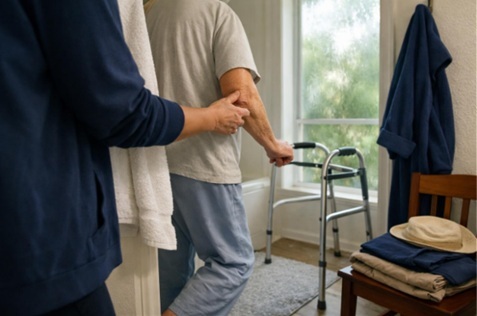
Personal care helps seniors stay comfortable and confident by making private daily routines safer, calmer, and less tiring. For many families searching for home care Kingwood, TX, the real need is not “full-time help” at first. It is often support with bathing, dressing, grooming, toileting, movement around the home, and the quiet moments when a parent is struggling but does not want to say so.
Table of Contents
Comfort Often Starts with the Hardest Parts of the Day
Morning and evening routines tell us a lot. A senior may seem “fine” during a phone call, then spend 45 minutes trying to get dressed because buttons hurt their fingers or balance feels unsteady. They may skip a shower because stepping over the tub wall feels risky, not because they no longer care about cleanliness.
This is where personal care makes a practical difference. A caregiver can help with the task itself, but also with pacing, setup, privacy, and reassurance. That may mean laying out clothing in the right order, warming the bathroom first, placing towels within reach, or giving a senior time to do the parts they can still do alone.
One thing families often miss is how much energy these routines take. If bathing, dressing, and getting to the kitchen use up most of a senior’s strength, the rest of the day can shrink. They may stop cooking, avoid visitors, or spend more time in one chair simply because the morning was too hard.
Why “A Little Help” Can Feel Like A Big Loss
Personal care is personal. That sounds obvious, but it is the reason many seniors resist it. Accepting help with bathing or toileting can feel like giving up adulthood, even when the help is needed.
We have found that the first few visits matter. A good caregiver does not rush in and take over. They ask permission, explain what they are doing, and protect dignity with towels, robes, closed doors, and choices whenever possible.
Families can help by changing the language. Instead of saying, “You can’t shower alone anymore,” try, “Let’s have someone nearby so you can keep your routine without worrying about slipping.” That small shift keeps the focus on independence, not failure.
There is also a hidden emotional benefit. When a senior feels clean, dressed, and ready for the day, they are often more willing to eat breakfast, answer the phone, go to an appointment, or enjoy company. Confidence is not always a big speech. Sometimes it is a fresh shirt, combed hair, and knowing the day started without embarrassment.
What Personal Care Looks Like in Real Life
Personal care is not one task. It is a group of daily living supports, often called ADLs, or activities of daily living. These include bathing, dressing, grooming, toileting, eating, transferring from one spot to another, and walking safely through the home.
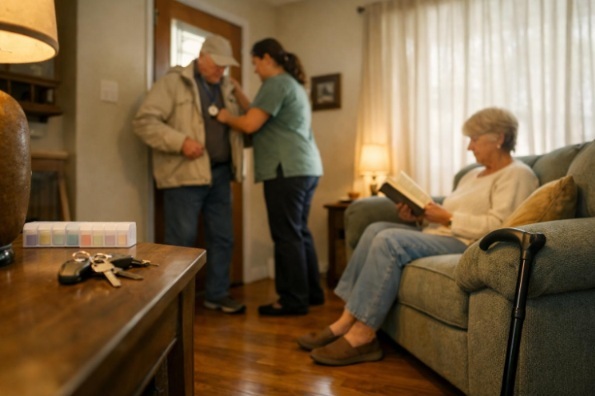
A realistic visit might look like this: a caregiver arrives in the morning, checks how the senior slept, helps them stand slowly, supports a safe trip to the bathroom, assists with bathing, and helps choose clothing that is comfortable and weather-appropriate. Then they may prepare a simple breakfast, remind the senior to use their walker, tidy the bathroom, and make sure the home is set up before leaving.
The non-obvious part is that caregivers are often watching for patterns. Is laundry piling up because bending is painful? Is the senior wearing the same outfit because other clothes are upstairs? Are they avoiding the bedroom and sleeping in a recliner because getting in and out of bed feels unsafe?
Those details help families make better decisions. Personal care is not just hands-on help. It is also steady observation that can catch small changes before they turn into a larger crisis.
If you are trying to understand the bigger picture, our related guide on how home care improves life for seniors and families explains how daily support can ease stress on both sides.
The Small Warning Signs Families Often Miss
Many families wait for a fall, a hospital visit, or a clear emergency before starting care. We understand why. No one wants to overstep, and many older adults insist they are managing.
But the early signs are usually quieter:
- A parent avoids stairs, the guest bathroom, or certain rooms.
- Showers become less frequent.
- Clothes look slept in or mismatched in a new way.
- They stop going out because getting ready takes too much effort.
- They lean on furniture instead of using a cane or walker.
- They seem anxious before appointments, even simple ones.
Avoiding parts of the home is a big clue. It may mean pain, shortness of breath, fear of falling, poor lighting, or trouble with balance. If no one responds, the senior’s world can slowly narrow to one bedroom, one chair, and one path to the kitchen.
Starting personal care early often means fewer rushed decisions later. Waiting can lead to family conflict, unsafe shortcuts, and a parent feeling forced into help after something frightening happens. Early support gives everyone more room to adjust.
How the Right Care Plan Builds Confidence
A strong personal care plan starts with what the senior can still do. We want to preserve ability, not replace it. If Dad can wash his face but needs help with his back and lower legs, the caregiver should support those parts only.
This matters because over-helping can reduce confidence. It may be faster for someone else to dress a senior completely, but speed is not the goal if the senior can safely participate. The better approach is to allow time, offer steady support, and step in only where needed.
Good care also respects habits. Some people bathe at night, some prefer morning. Some want their hair set a certain way or a favorite shirt on church days. These preferences may seem small to an adult child, but they help a senior feel like themselves.
If your family is unsure where to begin, Always Best Care of Kingwood can talk through daily routines, safety concerns, and the type of support that may fit. Calling (832) 852-5292 is a simple way to start that conversation before the situation becomes urgent.
A Realistic Starting Point for Families
You do not have to begin with a big schedule. Many families start with a few visits each week around bathing, dressing, grooming, laundry, meals, or appointment days. Then they adjust as needs become clearer.
A common scenario is an adult daughter who stops by after work and notices her mother has not showered in several days. Her mother says she is “just tired,” but later admits she feels shaky stepping out of the tub. A caregiver coming twice a week for bathing and dressing support may restore the routine, reduce tension between mother and daughter, and help the family see whether more support is needed.
The best time to consider personal care is when daily routines are becoming stressful, not after they become unsafe. With thoughtful home care Kingwood, TX families can protect comfort, dignity, and independence at the same time. To talk through what personal care could look like for your loved one, call Always Best Care of Kingwood at (832) 852-5292.