How In-Home Care Supports Seniors After a Hospital Stay
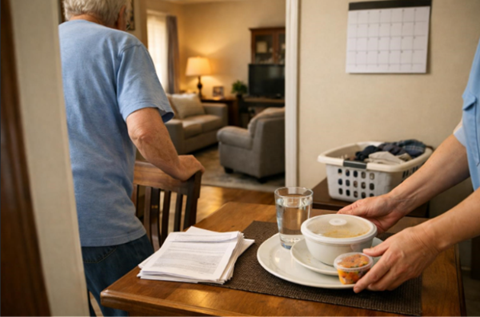
Table of Contents
Key Takeaways
- A hospital discharge means a senior can leave the hospital, not necessarily that every task at home is safe to manage alone.
- Nonmedical caregivers can help with daily routines, meals, personal care, household tasks, and companionship during recovery.
- Families should separate medical concerns from daily-support needs and contact the appropriate healthcare professional when symptoms worsen.
- A short-term care plan can be adjusted as strength, mobility, and confidence change.
- Early support may help prevent avoidable exhaustion, missed routines, and unsafe attempts to do too much too soon.
After Discharge, the Main Question Is Whether Home Is Ready for Recovery
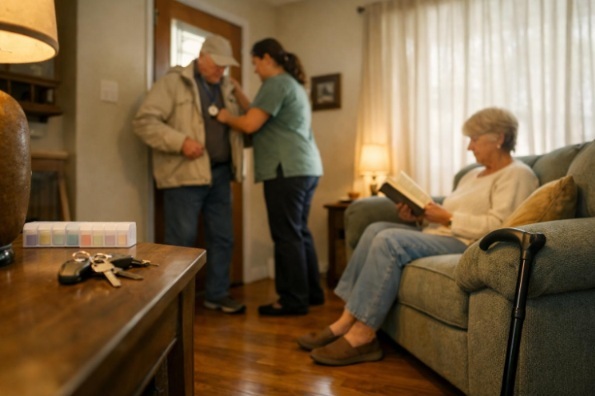
Home care Humble, TX families arrange after a hospital stay can fill the gap between being medically cleared to leave and being fully ready to manage life at home alone. A discharge plan may cover medical follow-up, but it does not always solve practical problems such as bathing safely, preparing food, getting to the bathroom at night, or keeping the home orderly while energy is low.
The right level of help depends on the senior’s abilities, the layout of the home, and the family’s availability. Instead of assuming every recovery looks the same, start with the situation your loved one is facing right now.
Situation: the Senior Is Safe at Home but Needs Help with Daily Routines
A senior may be able to return home without needing constant medical attention but still struggle with ordinary tasks. This is often the point where support preserves independence rather than taking it away.
Signs that in-home assistance may make recovery more manageable include:
- Meals are being skipped or simplified too much. Standing at the stove, carrying dishes, or opening containers can be difficult when a person is tired or unsteady.
- Personal routines take much longer than usual. Help with bathing, dressing, grooming, toileting, or getting safely in and out of bed may reduce strain.
- Mobility inside the home has changed. Avoiding stairs, limiting trips to another room, or holding onto furniture can signal that a familiar home is no longer easy to navigate.
- Reminders are needed. A caregiver can provide nonmedical reminders about established routines, meals, hydration, appointments, and items the family has agreed need attention.
- Household tasks are building up. Light housekeeping, laundry, errands, and meal preparation can quickly become overwhelming during recovery.
Ask a provider exactly what kinds of personal care, companionship, and household support it offers. That conversation helps match the schedule to actual needs instead of arranging too little help and hoping for the best.
Situation: Family Caregivers Cannot Cover Every Need After Discharge
Family members often want to be present for every meal, appointment, and nighttime need. Work schedules, children, distance, sleep, and existing responsibilities can make that impossible, even in a close family.
Nonmedical support can supplement family involvement rather than replace it. A caregiver may handle hands-on daily assistance or provide supervision during the hours when relatives cannot be there, leaving family members more able to focus on conversations, medical updates, and meaningful time together.
For guidance on evaluating providers, review these questions to ask when choosing trusted home care in Humble. It is useful to ask about the scope of support, scheduling options, care-plan updates, and how families receive communication about day-to-day changes.
Situation: Recovery Instructions Are Hard to Follow at Home
Discharge directions can be clear on paper but difficult to carry out when someone is fatigued, uncomfortable, or moving slowly. The first days home often reveal small barriers that were not obvious at the hospital.
Watch for practical problems such as:
- Routines are missed. The senior may sleep through meals, forget planned activities, or lose track of time.
- Food and fluids are hard to manage. Limited mobility or low energy can make shopping, cooking, and regular eating harder than expected.
- Follow-up logistics are slipping. Transportation planning, paperwork, clothing preparation, and keeping track of appointment times may require another set of hands.
- The senior is trying to do too much alone. A person determined to prove independence may rush to shower, climb stairs, or carry laundry before they are steady enough.
A nonmedical caregiver can help make the home routine more workable. Medical questions, new concerns, or worsening symptoms should go to the discharge team, physician, nurse, or other appropriate healthcare professional, not be handled as a home care issue.
Situation: the Home Environment Creates New Risks
A hospital stay can leave a senior weaker, more tired, or less confident than before. Even a home that worked well last month may now have obstacles that interfere with safe movement.
Pay attention to concerns such as:
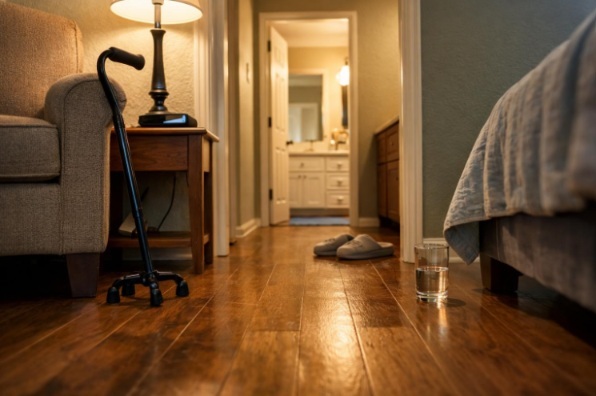
- Fall hazards. Loose rugs, crowded walkways, poor lighting, and items stored on high or low shelves matter more when balance or stamina has changed.
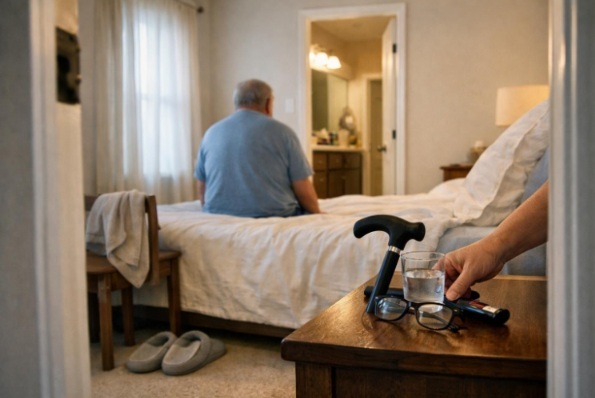
- Nighttime difficulty. Getting to the bathroom in the dark, rising from bed, or navigating a hallway can become challenging.
- Isolation in one part of the home. A senior who stops using an upstairs bedroom, avoids the kitchen, or stays in one chair all day may be limiting movement because it feels unsafe.
- Fatigue that affects judgment. Tiredness can lead to skipped meals, poor hydration, rushed transfers, or attempts to carry items that should not be carried alone.
A care assessment, combined with the discharge guidance, can help families identify which routines need support and whether the home setup calls for changes. Addressing these issues early is usually easier than waiting for a near-fall, a missed appointment, or a family emergency.
Situation: the Senior’s Needs May Be Beyond Nonmedical Home Care
Nonmedical in-home care supports daily living. It does not replace clinical care, emergency services, or professional medical direction.
Follow the discharge instructions closely. If there are urgent symptoms, a sudden decline, questions about medical treatment, or a need for skilled clinical services, contact the appropriate healthcare provider or seek emergency help as directed. Families should also speak with the care team if the senior needs a level of supervision or medical support that cannot safely be met at home.
How to Decide What Support to Arrange Before or After Coming Home
Use the discharge period as a planning checkpoint, not a promise that the senior must immediately return to their old routine.
- Review the discharge directions. Identify follow-up appointments, activity limits, and instructions the family needs to understand.
- List the tasks that are not safe alone. Include bathing, dressing, meal preparation, stairs, laundry, transportation planning, and nighttime routines.
- Be realistic about family availability. Consider who can help during work hours, overnight, on weekends, and when an unexpected need arises.
- Ask providers specific questions. Clarify what nonmedical support they provide, how schedules work, and how the plan can change if recovery improves or becomes harder.
- Revisit the plan often. Recovery is not always a straight line. More help may be needed at first, while some services may be reduced as the senior regains ability.
Home care Humble, TX families choose can provide practical breathing room after discharge without forcing an aging parent to give up the comfort of home too soon. To discuss a support plan based on your loved one’s routines and family availability, reach Always Best Care of Kingwood at (832) 852-5292.
Frequently Asked Questions
What Help Can a Caregiver Provide After a Hospital Stay?
A nonmedical caregiver may help with personal routines, meal preparation, light housekeeping, laundry, errands, companionship, and reminders for established daily routines. The provider should explain its specific scope of support before care begins.
Can My Parent Recover at Home Alone After Discharge?
That depends on what they can safely do without help. If meals, bathing, stairs, household tasks, mobility, or keeping up with follow-up plans are difficult, some level of support may be appropriate.
Is In-Home Care the Same as Medical Home Health Care?
No. Nonmedical home care focuses on everyday assistance and supervision. Medical or clinical needs should be handled through the senior’s healthcare team and any qualified clinical services arranged through that team.
When Should We Call the Hospital or Doctor Instead of a Home Care Agency?
Contact the appropriate healthcare professional for medical questions, worsening symptoms, urgent concerns, or anything covered by discharge instructions. Home care can support daily routines, but it is not a substitute for medical guidance.
How Long Should Post-Hospital Home Care Last?
The timeline depends on the senior’s recovery, home environment, and family support. Some families need help during the early transition home, while others adjust care as needs change over time.