

Why Seniors May Feel Less Thirsty: Staying Hydrated in Kingwood
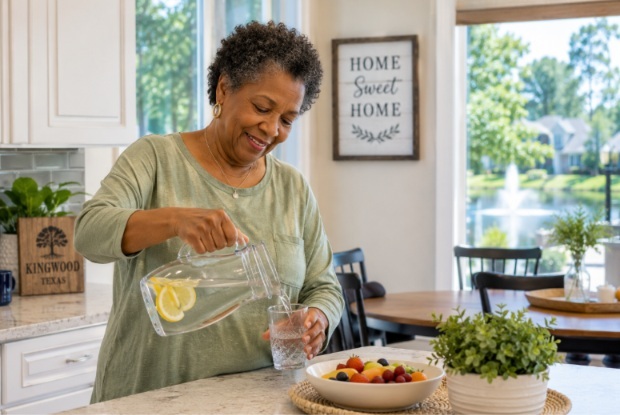
Drinking when you feel thirsty is a habit most people rarely think about. The body signals that it needs fluids, and reaching for a glass of water feels automatic. For older adults, however, that signal can become less dependable with age.
A senior may go for long periods without feeling particularly thirsty, even when the body could use additional fluids. This makes hydration something that may need to be approached intentionally rather than relying only on thirst.
Adequate fluid intake supports digestion, circulation, temperature regulation, blood pressure, brain function, and overall well-being. For seniors in Kingwood, creating simple hydration routines can help make drinking enough fluids a natural part of everyday life.
Family members and caregivers can also provide helpful reminders and practical assistance, particularly when mobility, health concerns, or changes in memory make hydration more difficult to manage independently.
Table of Contents
Why Does the Sense of Thirst Change with Age?
Thirst is one of the body’s ways of communicating that fluid levels need attention. As people grow older, the brain may not respond as quickly to changes in hydration.
This means an older adult may already be somewhat dehydrated before experiencing a strong desire to drink.
Other age-related circumstances may also contribute to lower fluid intake, including:
- Decreased kidney function
- Certain medications, such as diuretics
- Chronic health conditions
- Mobility challenges
- Concerns about frequent bathroom trips
Sometimes the obstacle is practical rather than a lack of interest in drinking. A senior who finds walking difficult may decide not to get up for a glass of water every time they think about it.
When this happens repeatedly throughout the day, fluid intake can gradually decrease without the senior or family immediately realizing it.
How Can Dehydration Affect an Older Adult?
Not getting enough fluids can affect a senior’s health in ways that may not be immediately obvious. Changes in hydration can influence energy, balance, digestion, concentration, and other parts of the daily routine.
Possible effects may include:
- Fatigue and reduced energy
- Dizziness or lightheadedness
- Headaches
- Constipation
- Difficulty concentrating
- Confusion
- Low blood pressure
- Increased risk of falls
- Urinary tract infections
More severe dehydration may require medical attention or hospitalization.
Rather than waiting until symptoms become obvious, seniors can benefit from drinking fluids consistently throughout the day. A predictable routine makes it less necessary to depend on thirst as the only reminder.
What Warning Signs Should Kingwood Families Recognize?
Older adults may not always realize when they are becoming dehydrated, particularly when their sense of thirst has become less reliable. Family members and caregivers may be able to spot changes in normal routines before a senior recognizes that additional fluids may be needed.
Possible signs of dehydration include:
- Dry mouth or cracked lips
- Dark-colored urine
- Less frequent urination
- Dry skin
- Increased confusion or forgetfulness
- Unusual weakness or fatigue
- Dizziness when standing
- Reduced appetite
Knowing what is normal for a loved one can make these changes easier to recognize.
For example, a senior who suddenly seems much more tired than usual, begins eating less, or appears unusually confused may need additional attention.
If symptoms appear suddenly, become severe, or continue to worsen, families should contact the appropriate healthcare provider rather than assuming dehydration is the only possible cause.
Turning Hydration into an Everyday Kingwood Routine
When thirst becomes less reliable, routine can become the reminder.
Instead of expecting seniors to remember to drink throughout the day, families can connect hydration with activities that already happen regularly.
Simple habits may include:
- Having a drink with every meal
- Keeping water near a favorite chair
- Carrying a reusable water bottle
- Setting reminders at appropriate times
- Drinking before spending time outdoors
- Taking small sips regularly throughout the day
The best routine is one that fits naturally into the senior’s lifestyle.
For example, someone who enjoys reading in the afternoon might keep water beside their chair. A senior who spends time gardening could have a reusable bottle ready before going outside.
Small adjustments can make fluids easier to access without making hydration feel like another complicated responsibility.
Making Fluids Easier to Reach
Accessibility can have a significant influence on how often an older adult drinks.
For a senior with mobility challenges, getting up several times to walk to the kitchen may require more effort than family members realize. If the person is tired, uncomfortable, or concerned about balance, getting a drink may be postponed.
Families can make hydration more convenient by:
- Keeping beverages in frequently used areas
- Choosing cups or bottles that are easy to hold
- Refilling water bottles as needed
- Serving beverages with meals and snacks
- Keeping pathways to the kitchen clear and easy to navigate
These changes do not require a senior to give up independence. Instead, they remove practical obstacles that may make staying hydrated more difficult.
Hydration Can Come from Foods, Too
Water is an important source of hydration, but it is not the only option. Many foods contain water and can contribute to overall fluid intake while adding variety to meals.
Hydrating options may include:
- Watermelon
- Cucumbers
- Strawberries
- Oranges
- Lettuce
- Broth-based soups
- Low-fat milk
- Herbal teas
- Yogurt
These choices can be incorporated throughout the day.
Fresh fruit can accompany breakfast, yogurt may work as a snack, and broth-based soup can be included with lunch or dinner. Seniors who do not particularly enjoy plain water may find that variety makes healthy hydration habits easier to maintain.
Any dietary or fluid restrictions recommended by a healthcare provider should always be followed.
Staying Hydrated During Warm Kingwood Days
Warm weather can increase the importance of consistent fluid intake. Older adults may spend time walking, gardening, visiting family, or enjoying other outdoor activities without recognizing how much fluid they are losing.
Planning ahead can help seniors avoid relying on thirst.
Before heading outdoors, families can make sure water is available and encourage seniors to drink at appropriate intervals. A reusable bottle can make it easier to continue hydrating while away from home.
Outdoor activities can also include opportunities to rest and cool down. After returning indoors, seniors can continue drinking fluids instead of waiting until they feel strongly thirsty.
Physical activities should remain appropriate for the senior’s abilities and follow guidance from their healthcare provider.
How Can Caregivers Make Healthy Hydration Easier?
Staying hydrated may be particularly challenging for seniors who live alone or older adults who have mobility limitations, memory changes, fatigue, or ongoing health concerns.
Family members and caregivers can make hydration easier by incorporating reminders and assistance into the normal routine.
Support may include:
- Offering water and other appropriate beverages
- Keeping drinks within easy reach
- Preparing meals with hydrating foods
- Providing regular hydration reminders
- Watching for possible signs of dehydration
- Encouraging fluids during warm weather or appropriate activity
- Sharing noticeable changes with family members or healthcare providers
These actions can happen naturally throughout the day rather than feeling like constant monitoring.
A caregiver might offer a beverage while preparing lunch, refill a water bottle before an activity, or simply remind the senior to take a few sips during conversation.
Respecting Independence While Providing Support
Healthy hydration support should reflect what an older adult actually needs.
Some seniors remain fully capable of managing their own drinks but occasionally forget. Others may need assistance getting beverages, preparing meals, or keeping water accessible.
Caregivers can adapt their approach accordingly.
Offering choices can also help seniors remain involved. Rather than simply handing someone a beverage, a caregiver might ask whether they prefer water, an appropriate tea, or another option that fits their dietary needs.
This keeps the senior engaged in everyday decisions while still providing helpful support.
The goal is to make hydration easier, not to take control away from the person receiving care.
How Always Best Care of Kingwood Supports Healthy Daily Habits
At Always Best Care of Kingwood, we understand that healthy aging often depends on small routines maintained consistently over time. Hydration is one of those routines, and some older adults may benefit from extra assistance making it part of everyday life.
Our caregivers can support seniors with:
- Hydration reminders
- Nutritious meal preparation
- Keeping appropriate beverages accessible
- Companionship
- Assistance with everyday activities
- Observing changes in normal routines
Care is personalized according to the individual. One senior may primarily need companionship and occasional reminders, while another may benefit from more regular assistance with meals and daily activities.
Providing the appropriate level of help can make healthy routines more manageable while supporting a senior’s desire to remain independent at home.
Helping Kingwood Seniors Stay Hydrated and Independent
A reduced sense of thirst is a change many people experience as they grow older. Understanding that change allows seniors and families to take a more proactive approach to hydration.
Keeping beverages accessible, establishing regular drinking habits, incorporating hydrating foods into meals, and recognizing possible warning signs can all help older adults maintain healthier routines.
Caregiver support can provide additional consistency when a senior needs reminders or practical assistance. These everyday actions can help make hydration feel like a normal part of life rather than something that receives attention only when thirst or symptoms appear.
If your loved one could benefit from assistance with hydration, nutrition, or other daily routines, Always Best Care of Kingwood is ready to help.
Call Always Best Care of Kingwood at (713) 898-5475 to explore personalized in-home care services and learn how our caregivers can help your loved one stay healthy, hydrated, comfortable, and independent at home.