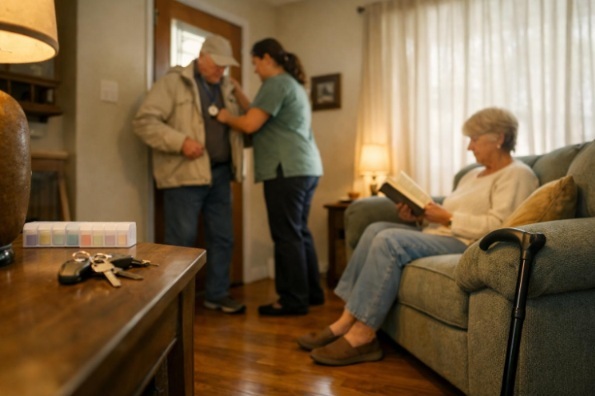

What Families Should Know About Respite Care Before Caregiver Burnout Starts
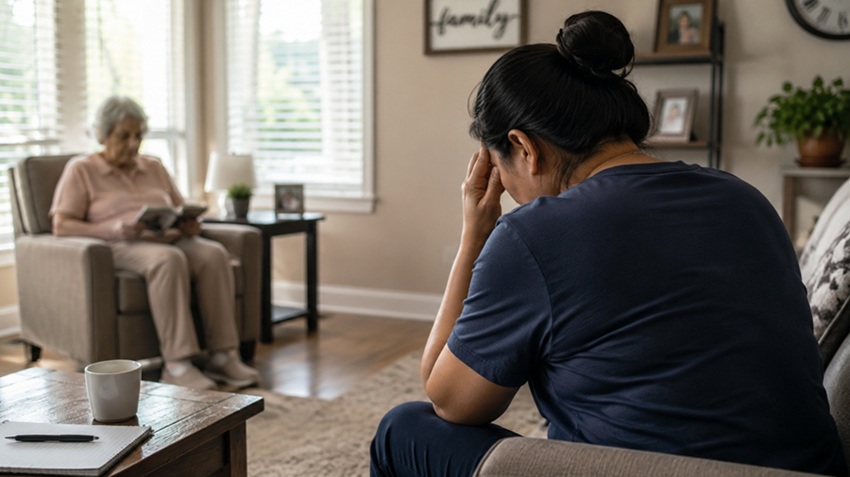
Many family caregivers wait too long to ask for help. They tell themselves they can manage a little longer, push through another difficult week, or adjust their schedules one more time. Over time, exhaustion becomes normal. Sleep suffers. Stress builds. Relationships become strained. This is often the point when families begin searching for home care in Kingwood, TX, after realizing caregiving has become more than one person can safely handle alone.
Respite care is not about stepping away from a loved one. It is about protecting the caregiver from reaching a breaking point that affects everyone involved.
Families are often surprised by how quickly burnout can develop, especially when caregiving responsibilities slowly increase over months or years.
Table of Contents
Burnout Usually Starts Long Before Families Recognize It
Caregiver burnout rarely begins with a dramatic moment.
More often, it starts with small sacrifices that gradually become unsustainable. A daughter begins waking up multiple times each night because her father wanders. A spouse stops attending church or social events because leaving the house feels risky. Adult children start missing work calls to manage appointments and medications.
At first, many families adapt without realizing the emotional and physical toll building beneath the surface.
We often hear caregivers say:
- “I’m just tired lately.”
- “I haven’t had a full day off in months.”
- “I feel guilty anytime I leave the house.”
- “I’m handling it, but barely.”
These are not small warning signs. They are often early indicators that support is needed before stress turns into serious burnout.
What Caregiver Burnout Actually Looks Like at Home
Many people imagine burnout as solely emotional exhaustion. In reality, it affects decision-making, patience, health, and safety inside the home.
A caregiver who is constantly overwhelmed may start forgetting medications, skipping meals, or delaying appointments because they cannot manage everything at once.
Emotional fatigue also changes family dynamics.
Increased Frustration During Daily Tasks
Simple caregiving routines can become emotionally charged when exhaustion builds. Bathing assistance, repeated dementia-related questions, or mobility support may trigger frustration faster than usual.
Many caregivers feel ashamed afterward, even though chronic stress is often the real issue.
Isolation Slowly Replaces Normal Life
Caregivers frequently stop seeing friends, exercising, or maintaining hobbies because caregiving consumes nearly every hour of the day.
This isolation can lead to depression, resentment, and emotional withdrawal from both the senior and other family members.
Health Problems Begin to Affect the Caregiver
We regularly see family caregivers ignore their own medical appointments, sleep issues, chronic pain, or anxiety because they are focused entirely on someone else’s needs.
The danger is that when the caregiver’s health declines, the entire care situation becomes unstable.
Why Respite Care Often Works Better When Started Early
Some families wait until they are physically or emotionally overwhelmed before trying respite care. By then, stress levels are already high, and seniors may resist sudden changes.
Starting earlier usually creates a smoother transition.
When respite care begins gradually, seniors have time to build familiarity and trust with caregivers before care needs become more advanced. This often reduces resistance and anxiety.
It also allows family caregivers to recover before exhaustion affects their health or relationships.
Even a few hours of weekly support can make a meaningful difference.
A caregiver who can attend appointments, spend time with grandchildren, run errands peacefully, and rest often returns to the patient as a more patient, focused, and emotionally present caregiver.
Seniors Sometimes Resist Respite Care for Emotional Reasons
Families are often confused when a loved one refuses help despite obvious care needs.
In many cases, the resistance is emotional rather than practical.
Older adults may worry that accepting respite care means losing independence. Some fear becoming a burden. Others feel uncomfortable having someone unfamiliar in their home.
This is why the introduction matters.
Caregivers who focus first on companionship, conversation, and routine support often help seniors feel more comfortable over time. Once trust develops, personal care assistance and additional services usually feel less threatening.
We have seen seniors who initially rejected respite visits later ask when their caregiver would be returning because the visits reduced loneliness and added structure to their day.
Respite Care Supports the Entire Family, Not Just One Person
One overlooked reality of caregiving is how often it emotionally affects entire families.
Adult siblings may disagree about responsibilities. Spouses may feel neglected. Children sometimes struggle to watch a parent juggle the stress of caregiving every day.
Respite care helps restore balance in the household.
When caregivers are rested, communication improves. Families make clearer decisions. Small problems are less likely to escalate into conflict.
This support also creates breathing room for long-term planning.
Without constant exhaustion, families are better able to discuss future care needs, financial planning, home safety adjustments, and changing health conditions calmly, rather than in emergencies.
What Families Should Look for in a Respite Care Provider
Not all respite care experiences feel supportive to families.
The best care relationships are built on consistency, communication, and emotional understanding, not just task completion.
Families should look for caregivers who:
- Build trust patiently with seniors
- Understand dementia-related behaviors compassionately
- Communicate clearly with family members
- Adapt routines based on the senior’s comfort level
- Recognize changes in mobility, mood, or cognition early
Reliable respite care should feel like an extension of the family’s support system, not an interruption to it.
Taking a Break Is Not Failing Your Loved One
Many caregivers carry guilt about stepping away, even briefly.
The truth is that sustainable caregiving requires support. No one can provide constant care indefinitely without rest, especially when managing complex emotional and physical needs.
Respite care allows family caregivers to protect their own health while continuing to provide meaningful support to a loved one.
The families who seek help early are often the ones best able to maintain stability over time.
If caregiving responsibilities are beginning to feel emotionally or physically overwhelming, speaking with a trusted local care team can help you explore realistic options before burnout takes hold. Always Best Care of Kingwood provides compassionate respite support designed to help families regain balance while keeping seniors safe and comfortable at home. To talk through your family’s situation or discuss flexible care options, call (713) 898-5475 and learn how home care Kingwood, TX can provide relief before caregiving becomes unsustainable.