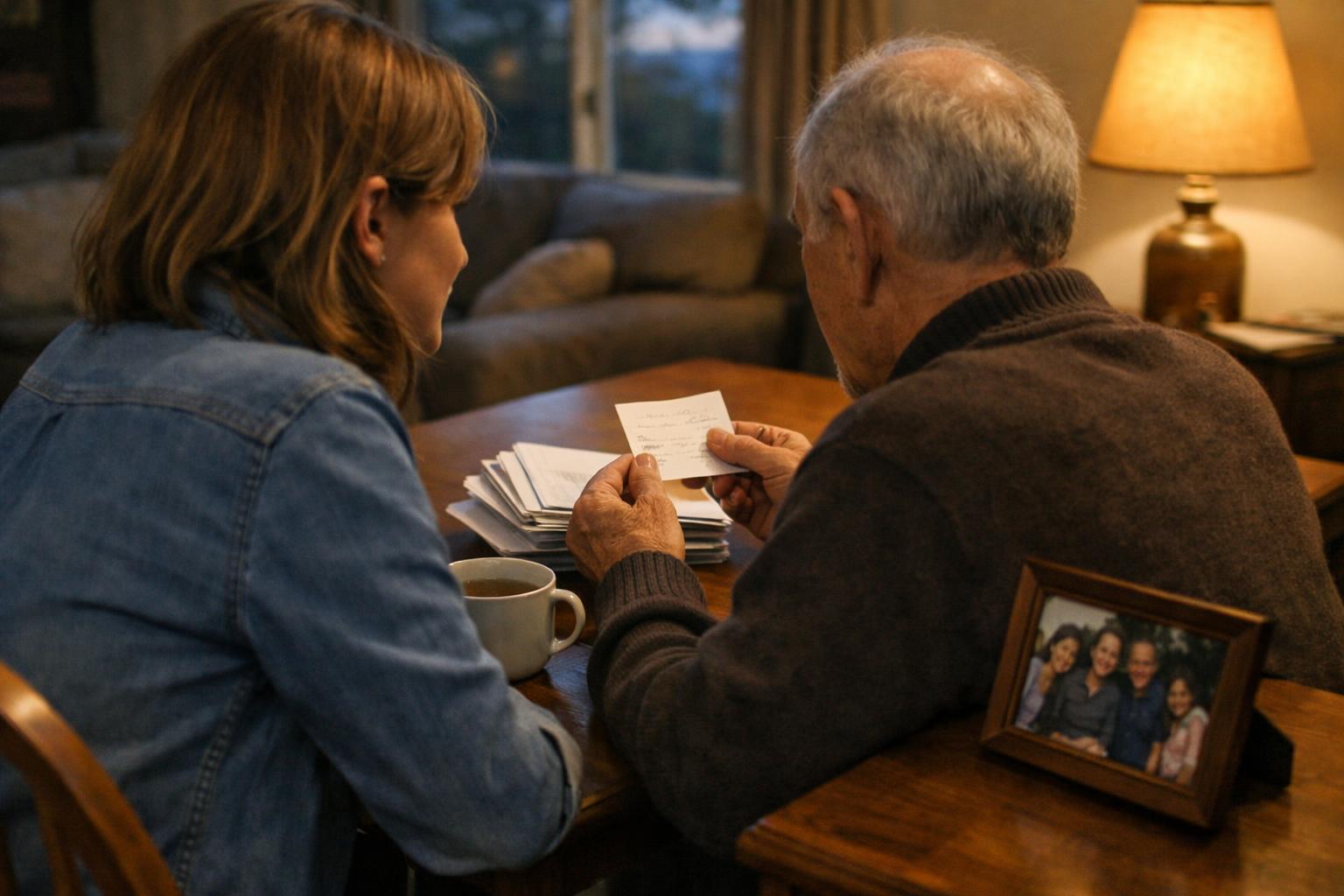

Companion Care for Seniors Facing Breast Cancer Treatment
Home care in Maryville, TN can give an older adult practical, nonmedical support when breast cancer treatment makes ordinary days harder to manage alone. Companion care does not replace the oncology team, but it can help protect a senior’s energy for treatment, rest, and the routines that still matter to them. At Always Best Care of Knoxville, we understand that practical companion care can support familiar routines while older adults continue following guidance from their healthcare team.
Every person responds differently. Some seniors may only need help on appointment days, while others may find that fatigue, reduced appetite, disrupted sleep, or worry makes meals, errands, and household routines harder for a while.
The change is not always obvious at first. A loved one may begin skipping laundry, relying on snack foods, postponing a shower because it feels tiring, or declining invitations because getting ready takes too much effort. These are not necessarily signs that they have lost independence. They can be signs that daily demands now need better support.
Companionship also matters during a period that can feel isolating. A steady, respectful presence can make it easier for a senior to keep a routine without feeling that family members are watching or taking over.
Table of Contents
Checklist: Identify the Moments When an Extra Companion Would Help
Consider where the day is becoming harder, rather than waiting for every task to become a problem.
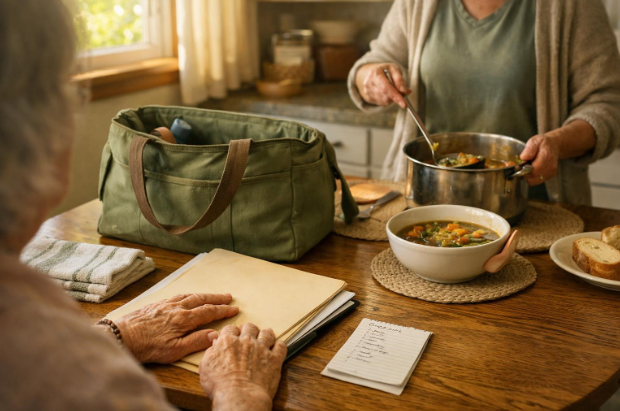
- Meal planning and preparation: Treatment schedules and low energy can make grocery shopping and cooking feel overwhelming. A companion can help prepare simple meals, keep the kitchen orderly, and make it easier for the senior to eat regularly without turning meals into a stressful project.
- Household routines: Light housekeeping, laundry, changing bed linens, and tidying common areas can prevent small tasks from piling up. A manageable home often supports better rest and reduces the frustration of seeing chores left undone.
- Appointment-day support: A companion may help a senior get ready, gather needed items, provide transportation support where available, or remain present after the appointment. Families should confirm transportation arrangements and follow the treatment center’s guidance about visitors and discharge instructions.
- The hours after treatment: Some people feel fine at first and become more tired later. Having someone available to make a meal, encourage rest, or simply be nearby can be reassuring without being intrusive.
- Reduced social contact: When a senior stops answering calls, avoids outings, or spends most of the day alone, companionship can restore connection. Conversation, a card game, a short walk if appropriate, or help staying connected with friends can ease the sense that treatment has taken over life.
For related guidance on protecting independence at home, read home care tips that support senior independence.
Checklist: Clarify What Support Belongs Alongside Medical Care
Companion care provides everyday assistance and social support, but it is important to keep that role clear, especially when treatment plans, symptoms, or recovery needs change.
Nonmedical Support Can Help with Daily Routines
Companion care may include meal preparation, light household help, errands, reminders, companionship, help organizing the day, and assistance with personal routines when appropriate. These forms of support can make daily life feel more manageable without replacing medical care.
Clinical Needs Belong with the Care Team
Questions about symptoms, medication changes, treatment side effects, wound concerns, medical equipment, or whether a symptom is urgent should always go to the oncology team or another appropriate medical provider. Companion care can support daily comfort, but clinical guidance should come from qualified healthcare professionals.
Written Instructions Should Stay Easy to Find
Keep the treatment team’s instructions in one easy-to-find place. A family member and caregiver can help follow the daily routine, but they should not guess about medical directions or make changes without guidance from the care team.
Changes Should Be Reported Promptly
If a loved one seems newly confused, unusually weak, unable to manage basic needs, or otherwise different from their usual condition, contact the oncology team for guidance. Possible medical concerns should not be handled through companion care alone.
A good support plan makes the handoff clear: the oncology team directs clinical care, while companions help the senior carry out daily life around that care.
Checklist: Consider the Senior’s Preferences, Privacy, and Sense of Control
Accepting help can be emotionally difficult. Some older adults worry that a caregiver means they are losing control, becoming a burden, or giving up the ability to live at home.
- Ask what help feels useful: Start with the tasks the senior identifies as tiring or frustrating. They may welcome help with meals but prefer to handle dressing or phone calls themselves.
- Build around existing routines: A caregiver can support a preferred breakfast time, favorite television program, quiet rest period, or regular calls with friends. Familiar structures can make help feel less disruptive.
- Discuss visitors and communication: Ask who the senior wants to be informed about appointments, updates, and household changes. Respecting privacy is especially important during cancer treatment.
- Avoid a monitoring mindset: The goal is not to watch over every choice. It is to remove the obstacles that make safe independence harder.
- Review the plan as treatment changes: A schedule that works during one stage may not fit later appointment times, recovery days, or shifts in energy. Adjusting early can prevent family stress and missed needs.

Building a Support Plan for the Weeks Ahead
Start with the pressure points that are already affecting daily life: missed meals, tiring errands, an empty house after appointments, or a family member trying to cover everything alone. Then coordinate with the oncology team’s directions and revisit the plan regularly, because treatment schedules and energy levels can change.
The right level of support should make the home feel more manageable, not more controlled. When companionship and practical help could ease the load, families can discuss personalized home care support with Always Best Care of Knoxville or call (865) 259-7770 to explore home care in Maryville, TN options that support comfort, independence, and daily routines.