Mobility Support for Seniors Recovering From Breast Cancer
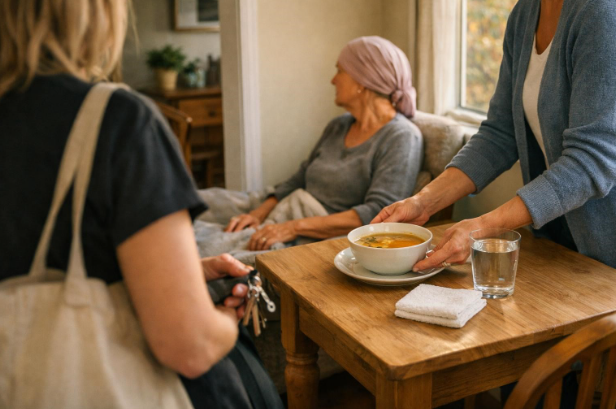
Home care in Seymour, TN can be useful when breast cancer recovery makes ordinary movement feel less certain. The goal is not to take over everything a senior can do, but to reduce avoidable strain, discourage risky shortcuts, and help daily life remain manageable while recovery continues.
A loved one may look steady while seated, then struggle with getting out of a low chair, carrying laundry, or stepping into the shower. Families often notice these changes gradually, especially when they live nearby but do not see every part of the daily routine.
Table of Contents
Why Can Mobility Feel Different During Breast Cancer Recovery?
Breast cancer treatment and surgery can affect movement in several ways. Fatigue may make a short walk feel much harder than it did before. Pain, tenderness, stiffness, or limited range of motion can make reaching, lifting, dressing, and using stairs more difficult.
Some seniors become cautious after a difficult treatment day or a near fall. That caution can be reasonable, but it may also lead them to avoid rooms, stairs, or outings they once handled without concern. Avoiding movement can gradually shrink a person’s routine and increase isolation.
Balance can also seem different when someone is tired, weak, distracted by discomfort, or taking time to adjust to changes in their body. Recovery is not identical for everyone. A family should avoid assuming that one person’s timeline or ability level applies to another.
Independence still matters. The practical question is whether a task can be done safely, without rushing, overreaching, or leaving a loved one exhausted afterward.
What Mobility Challenges Should Families Notice at Home?
Look for patterns rather than judging one hard day. These signs do not explain the cause of a change, but they can show that the home routine needs more attention.
- Difficulty standing from the bed, toilet, sofa, or dining chair without several attempts or a strong pull on nearby furniture.
- Holding onto counters, walls, or unstable furniture while walking through the house.
- Avoiding stairs, certain bathrooms, the basement, or rooms that require a longer walk.
- Pausing often during simple routines such as making breakfast, getting dressed, or taking out the trash.
- Moving more slowly than usual, shuffling, or appearing unsteady when turning or carrying something.
- Trouble managing bathing, hair care, dressing, toileting, or reaching items needed for personal care.
- Leaving meals, mail, laundry, or medications in places that suggest the task became too tiring to finish.
- Pulling back from appointments, worship services, visits, or short outings because getting there feels like too much work.
A senior may minimize these changes because accepting help can feel like giving up control. A calm, specific conversation works better than broad statements such as, “You cannot be alone.” Point to the task and the concern: “I noticed you have stopped using the upstairs bathroom. What part of that feels difficult?”
How Can the Home Be Made Easier to Move Through?
Small changes can remove daily obstacles without making a home feel clinical. Start with the routes used most often, including the path from the bedroom to the bathroom, kitchen, front door, and favorite chair.
Clear the Walking Path
Remove loose rugs, cords, stacks of papers, pet toys, and small furniture that may narrow a walking route. Clear paths can help reduce avoidable tripping risks.
Improve Lighting in Key Areas
Use bright, reliable lighting in hallways, bedrooms, entries, and bathrooms. Keep a lamp or easy-to-reach light switch near the bed.
Keep Essentials Within Easy Reach
Place commonly used dishes, clothing, toiletries, and phone chargers between waist and shoulder height when possible.
Choose Stable Seating
Use chairs with firm cushions, arms, and a height that makes standing easier. Avoid relying on rolling chairs or low, soft furniture.
Pay Attention to Bathroom Safety
A wet floor, a high tub edge, and rushing to the toilet can create risk. Keep towels, toiletries, and needed items within reach.
Treat Stairs as a Separate Concern
Keep steps clear and well lit, make sure handrails are secure, and avoid carrying items that block a person’s view of the next step.
Create a Landing Spot Near the Entry
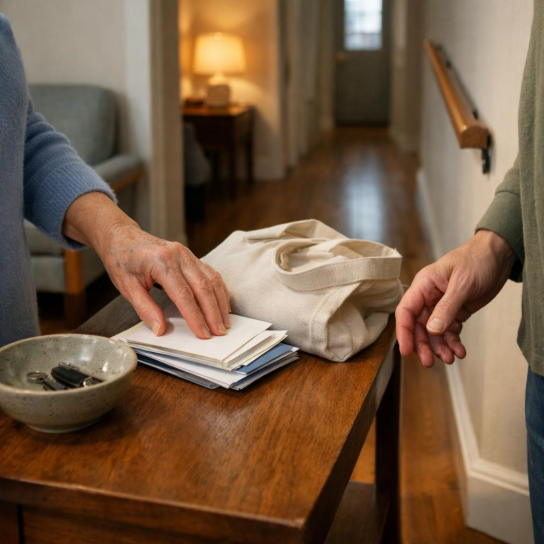
A small table or basket near the entry can prevent a loved one from carrying bags, mail, or packages through the house while unsteady.
For more practical ways to protect independence at home, read home care tips help seniors stay independent longer.
What Kind of Day-To-Day Mobility Support May Help?
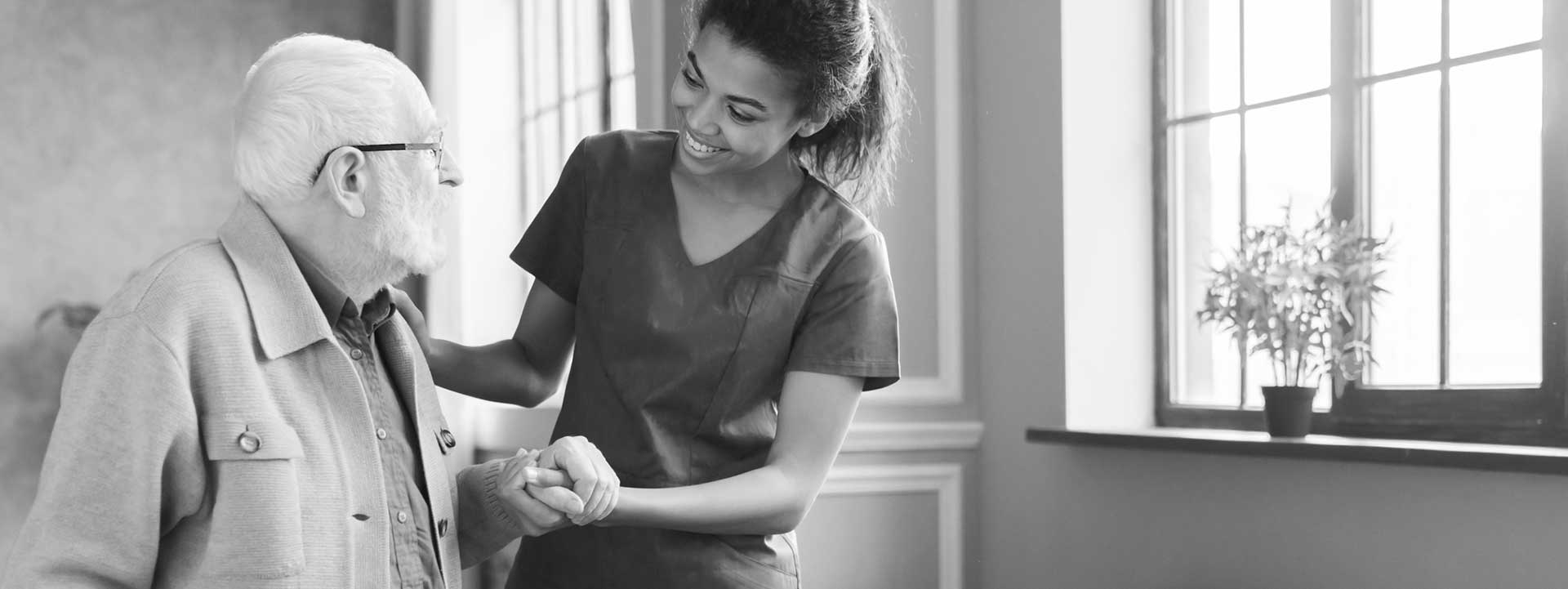
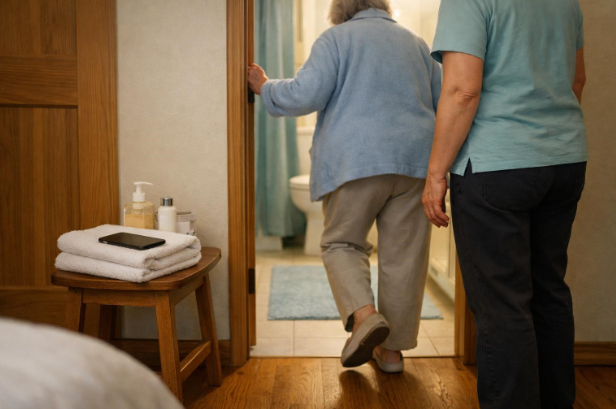
Non-medical support can make the difference between a rushed, tiring day and a more steady routine. A caregiver may provide standby assistance while a senior walks from room to room, gets ready for the day, or enters and exits the home. Standby assistance means staying close enough to help if needed, while allowing the person to do as much as they safely can.
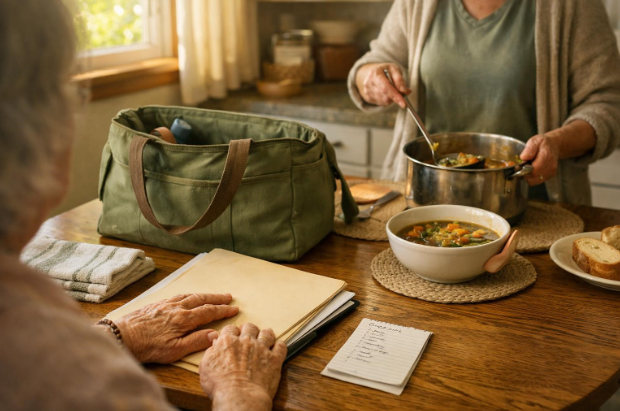
Support can also include pacing the day. Instead of trying to shower, prepare a meal, sort laundry, and attend an appointment in one stretch, a caregiver can help break tasks into manageable parts and handle the chores that drain energy.
Accompaniment can be helpful for walks, errands, and appointments, especially when fatigue or nervousness makes a loved one reluctant to go alone. If a healthcare professional has recommended a cane, walker, or another mobility aid, a caregiver can offer reminders and help keep it nearby. They do not replace a therapist or give medical guidance about how to use equipment.
This kind of help also gives families a clearer view of what daily functioning looks like. If routines repeatedly become difficult, the family has useful details to share with the healthcare team rather than relying on a general impression that a loved one is “not quite themselves.”
How Can Home Care in Seymour, TN Fit into a Recovery Plan?
Non-medical home care can support the routines around a healthcare plan, not replace that plan. When speaking with a provider, explain which parts of the day are hardest: bathing, dressing, meal preparation, stairs, transportation, household tasks, supervision, or simply having someone nearby during unsteady periods.
Ask how caregivers can support a loved one’s established routine, conserve energy for appointments and recovery, and encourage independence without pushing beyond comfort or safety. It also helps to discuss scheduling around treatment visits, follow-up appointments, and the times of day when fatigue is most noticeable.
Starting with limited help can be a practical middle ground for a senior who resists care. The support can focus on the tasks creating the most concern rather than changing the whole household at once.
If your family is considering home care in Seymour, TN during breast cancer recovery, Always Best Care of Knoxville can help you discuss daily mobility support needs that matter most. Call (865) 259-7770 to review care options that support safer routines and continued independence at home.