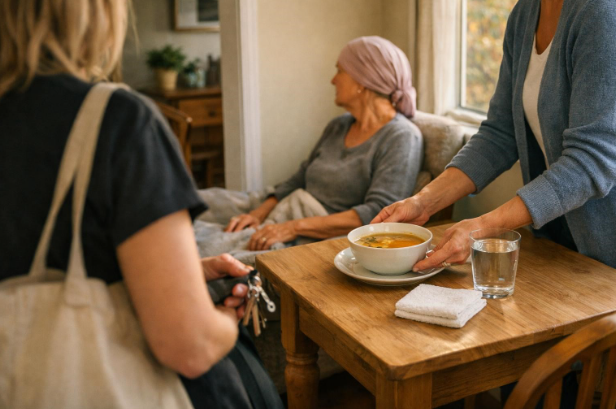

How Companion Care Encourages Healthy Diabetes Habits

Managing diabetes involves more than following medical advice. For many older adults, maintaining consistent meals, staying physically active, remembering daily routines, and managing emotional well-being can become increasingly challenging. With compassionate home care in Maryville, TN, we can help seniors establish healthy everyday habits that complement their diabetes management plans while supporting their independence and quality of life.
At Always Best Care of Knoxville, we understand that living with diabetes can require ongoing attention to daily routines. We also recognize that seniors may benefit from encouragement, companionship, and practical assistance as they navigate these responsibilities. Through personalized nonmedical support, we help older adults maintain familiar routines, stay socially engaged, and feel more confident managing everyday activities at home.
Table of Contents
How Does Companion Care Support Seniors Living with Diabetes?
Companion care supports seniors with diabetes by providing encouragement, social interaction, and assistance with everyday activities that contribute to a consistent routine. Although companion caregivers do not diagnose diabetes, administer medical treatments, or replace healthcare professionals, they can reinforce healthy habits recommended by a senior medical team.
Encouraging Consistent Daily Routines
Consistency is an important part of diabetes self-management. Regular mealtimes, appropriate physical activity, adequate rest, and following prescribed care instructions can help seniors maintain healthier daily patterns.
However, remembering every responsibility may become difficult, especially for older adults who live alone or experience changes in memory or mobility.
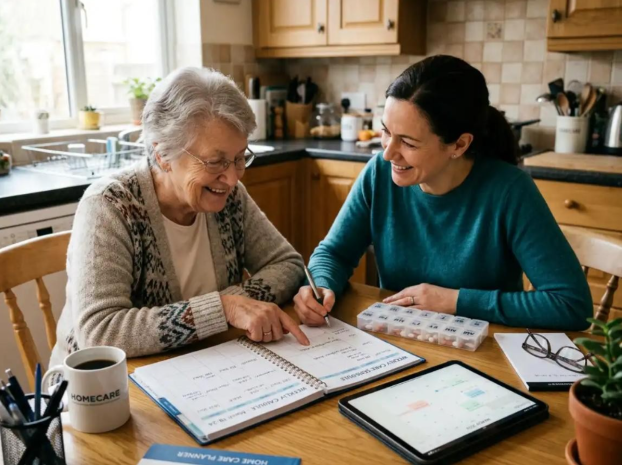
We can provide gentle reminders about daily activities, help organize schedules, and encourage seniors to follow routines established with their healthcare providers.
For example, a caregiver may remind a senior when it is time for a planned meal, encourage appropriate hydration, or provide a reminder to take medications according to existing instructions.
Importantly, medication reminders are different from medication administration. Decisions about medication adjustments, blood glucose targets, and treatment remain the responsibility of qualified healthcare professionals.
Reducing Isolation Through Meaningful Companionship
Living alone can sometimes make maintaining healthy habits more difficult. Without regular social interaction, seniors may lose motivation to prepare meals, participate in activities, or maintain structured routines.
Through companionship, we help create opportunities for conversation, shared hobbies, and meaningful engagement.
A caregiver might enjoy a favorite television program with a senior, assist with a puzzle, or provide friendly conversation during meals.
These everyday interactions can make routines feel less overwhelming while encouraging a stronger sense of connection.
Healthy Eating Habits with Everyday Caregiver Support
Nutrition plays an important role in diabetes management. However, preparing balanced meals can become challenging when seniors experience fatigue, limited mobility, or difficulty shopping for groceries.
Supporting Meal Planning and Preparation
We can assist with grocery shopping, meal preparation, and maintaining regular eating schedules according to an individual’s established dietary recommendations.
For seniors with diabetes, healthcare professionals may recommend meals that include appropriate portions of vegetables, lean proteins, whole grains, and other nutrient rich foods.
Caregivers can support healthy meal routines by assisting with preparation and keeping commonly used ingredients organized.
We also encourage families to consider personal preferences, cultural traditions, and any dietary restrictions recommended by the senior healthcare team.
Rather than introducing restrictive eating plans independently, companion caregivers support existing nutritional guidance.
Making Mealtimes More Enjoyable
Eating alone can sometimes reduce enthusiasm for preparing or enjoying meals.
Companionship during mealtimes may encourage seniors to maintain regular eating habits and create a more pleasant dining experience.
We believe that supporting healthy nutrition involves respecting personal preferences while helping older adults follow appropriate routines.
| Daily challenge | How companion care may help |
|---|---|
| Irregular mealtimes | Encourage a familiar eating schedule |
| Difficulty preparing meals | Assist with grocery shopping and meal preparation |
| Limited social interaction | Provide conversation and companionship during meals |
| Forgetting daily activities | Offer gentle reminders based on established routines |
| Reduced motivation | Encourage enjoyable, appropriate daily activities |
How Can Companion Care Encourage Safe Physical Activity?
Companion care can encourage seniors to participate in physical activities approved by their healthcare professionals. Regular movement may support mobility and overall well-being, but activities should reflect everyone’s health needs, physical abilities, and recommendations from their healthcare team.
Encouraging Gentle Movement
Physical activity does not always require a formal exercise program.
Depending on a senior’s abilities and medical recommendations, activities might include walking around the home, enjoying a short outdoor stroll, gardening, or participating in gentle seated movements.
We can offer encouragement, companionship, and appropriate assistance with everyday mobility.
For seniors who experience balance difficulties, neuropathy, or other diabetes related complications, families should consult healthcare professionals before changing activity routines.
Caregivers should never encourage seniors to continue exercising when they experience concerning symptoms such as dizziness, unusual weakness, or chest discomfort.
Supporting Motivation Without Pressure
Some seniors may feel discouraged when physical limitations affect activities they previously enjoyed.
We believe encouragement works best when it respects individual comfort levels and personal goals.
Instead of focusing on demanding exercise routines, we can help seniors identify enjoyable ways to remain engaged throughout the day.
For example, spending time outdoors, tending to indoor plants, or walking to a favorite sitting area may provide opportunities for gentle movement when appropriate.
The goal is to support participation rather than push seniors beyond their abilities.
How Can Families Build a Stronger Diabetes Support Routine?
Family involvement can make daily diabetes management feel more manageable, especially when loved ones work together to support established care recommendations.
Recognizing When Additional Support May Help
We encourage families to pay attention to changes in everyday habits rather than waiting until responsibilities become overwhelming.
A senior who regularly skips meals, forgets established routines, struggles with grocery shopping, or withdraws from favorite activities may benefit from additional assistance.
Compassionate caregivers can notice meaningful daily changes and communicate concerns to family members according to the care plan.
However, symptoms such as confusion, sweating, shakiness, or unusual weakness may indicate a blood glucose problem and require prompt attention under the senior’s medical instructions. Severe confusion, seizures, or loss of consciousness require emergency medical assistance.
Frequently Asked Questions About Diabetes and Companion Care
Can companion caregivers manage diabetes medications?
Companion caregivers may provide medication reminders within their authorized responsibilities. Prescribing, adjusting, or administering medications requires appropriately qualified personnel and must follow applicable care requirements.
Can companion care help seniors follow a diabetes friendly diet?
Yes. Caregivers can assist with grocery shopping, preparing meals, and maintaining regular eating routines based on recommendations from healthcare professionals. They do not independently prescribe therapeutic diets.
Is companion care helpful for seniors who live alone?
Companion care may be especially helpful for older adults who live alone by providing regular social interaction, practical assistance, and encouragement with familiar routines. A caregiver can also help families stay informed about changes in everyday activities without replacing medical supervision. care may be particularly beneficial for seniors living alone because it provides regular social interaction, practical assistance, and encouragement to maintain familiar routines.
Supporting Healthier Habits with Compassionate Care
Healthy diabetes habits often begin with manageable daily choices. Consistent meals, appropriate movement, medication reminders, and meaningful social connections can all complement a senior’s established diabetes care plan. Through compassionate assistance, we can help older adults maintain these routines while respecting their independence and individual preferences.
At Always Best Care of Knoxville, we recognize that every senior has unique needs, abilities, and health goals. Our personalized companion care services provide practical assistance and meaningful engagement that can make daily living more comfortable. If your loved one needs encouragement with meals, daily routines, or staying socially active, call (865) 259-7770 to schedule a personalized care consultation. Together, we can discuss personalized home care support options in Maryville, TN that support healthier everyday habits and greater peace of mind for your family.