

Helping Older Adults Track Blood Sugar With Confidence
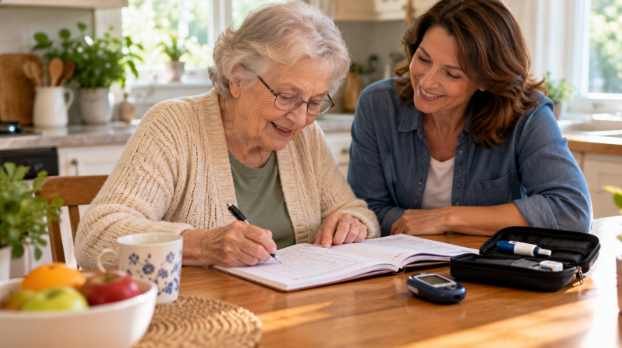
Managing blood sugar levels is an important part of living well with diabetes, especially for older adults balancing medications, nutrition, physical activity, and changing health needs. However, remembering when to check glucose levels, understanding readings, and maintaining consistent routines can sometimes feel overwhelming. With compassionate home care in Lenoir City, we can help seniors develop greater confidence in their daily routines while supporting the diabetes management recommendations provided by their healthcare professionals.
At Always Best Care of Knoxville, we understand that diabetes management involves both physical and emotional well-being. Older adults may need encouragement, practical assistance, and companionship to maintain healthy habits at home. Through personalized nonmedical support, we help seniors stay organized, maintain familiar routines, and participate more confidently in everyday activities while respecting their independence and individual preferences.
Table of Contents
Why Is Regular Blood Sugar Monitoring Important for Seniors?
Regular blood sugar monitoring helps older adults and their healthcare teams understand how glucose levels respond to meals, medications, physical activity, and other daily factors. Depending on the individual’s diabetes treatment plan, monitoring may also help identify readings that require attention.
Understanding Blood Sugar Changes
Blood glucose levels naturally fluctuate throughout the day. For seniors living with diabetes, these changes may be influenced by eating patterns, medication schedules, illness, stress, and physical activity.
Some older adults use traditional glucose meters, while others use continuous glucose monitoring devices that measure glucose in the fluid beneath the skin.
The appropriate monitoring method and frequency depend on individual medical needs.
We encourage families to follow instructions from qualified healthcare professionals rather than establishing independent testing schedules or glucose targets.
Older adults should also understand that readings outside their recommended range require guidance based on their established diabetes care plan.
Recognizing Common Monitoring Challenges
Even seniors who have managed diabetes for years may experience difficulties maintaining consistent monitoring habits.
Common challenges include:
- Forgetting scheduled glucose checks
- Difficulty handling small testing supplies
- Trouble reading device displays
- Confusion about recording glucose results
- Anxiety about unexpected readings
- Difficulty remembering instructions from healthcare appointments
These challenges do not necessarily mean an older adult cannot manage diabetes independently. Instead, they may indicate that additional education, accessible equipment, or practical daily support would be helpful.
Building Confidence Through Consistent Daily Routines
Confidence often develops when seniors understand their responsibilities and have reliable routines that make everyday tasks easier.
Creating a Familiar Monitoring Schedule
A predictable schedule can help older adults remember when blood sugar monitoring is recommended.
For example, healthcare professionals may advise certain individuals to check glucose levels before meals, at bedtime, or at other specific times.
We can help seniors maintain familiar daily schedules and provide reminders based on their existing care instructions.
Compassionate caregivers can support consistent daily routines without independently determining when testing should occur or interpreting glucose readings.
When seniors have difficulty performing tests, families should discuss appropriate assistance, device accessibility, and professional training with their healthcare providers.
Keeping Glucose Records Organized
Recording blood sugar readings can help healthcare professionals identify patterns and evaluate treatment recommendations.
Depending on personal preferences and abilities, seniors may use a written notebook, a glucose meter memory, or a digital monitoring application.
We can encourage organization by helping older adults maintain accessible spaces for supplies and remember established recording routines.
For seniors who prefer written records, a simple notebook may feel more manageable than unfamiliar technology.
Meanwhile, families can help ensure relevant information is available for medical appointments.
| Monitoring challenge | Helpful everyday support |
|---|---|
| Forgetting testing times | Gentle reminders based on medical instructions |
| Misplacing supplies | Keeping monitoring materials in an organized location |
| Difficulty maintaining records | Encouragement to use a familiar recording system |
| Feeling anxious about readings | Calm companionship and encouragement to follow medical guidance |
| Forgetting appointments | Calendar reminders and transportation assistance when arranged |
How Can Home Care Support Healthy Diabetes Habits?
Nonmedical home care can support diabetes management by helping older adults maintain daily habits that complement their healthcare team’s recommendations.
Although caregivers do not diagnose diabetes, prescribe treatments, or independently manage blood glucose levels, they can assist with everyday activities that influence overall well-being.
Encouraging Balanced Meals and Hydration
Consistent eating habits are an important consideration for many seniors managing diabetes.
However, shopping for groceries, preparing meals, and maintaining regular mealtimes can become difficult when older adults experience fatigue, mobility limitations, or reduced motivation.
Through our personalized in-home care services for seniors, we can assist with grocery shopping, meal preparation, and familiar eating routines.
We encourage families to follow individualized nutritional recommendations from registered dietitians or other qualified healthcare professionals.
Caregivers can help prepare meals according to those instructions while respecting personal preferences and cultural traditions.
Supporting Appropriate Physical Activity
Physical activity may help support overall health and diabetes management when it is appropriate for the individual.
Depending on medical recommendations, seniors may benefit from gentle walking, stretching, gardening, or other enjoyable activities.
We can provide companionship and encouragement during approved everyday activities while respecting each person’s comfort and abilities.
Older adults experiencing neuropathy, balance difficulties, or other diabetes-related complications should consult their healthcare professionals before changing exercise routines.
Providing Medication Reminders and Companionship
Following prescribed medication schedules is another important part of many diabetes management plans.
Within the responsibilities authorized by an individual’s care arrangement, caregivers may provide medication reminders and encourage seniors to follow established routines.
Medication administration, dosage adjustments, and treatment decisions remain the responsibility of appropriately qualified individuals.
Additionally, companionship can make daily responsibilities feel less isolating.
By sharing conversations, hobbies, and meaningful activities, we help seniors maintain social connections while encouraging positive everyday habits.
What Should Families Know About Blood Sugar Safety?
Families can support older adults by understanding the importance of individualized diabetes care plans and recognizing situations that require professional medical attention.
Recognizing When Medical Guidance Is Needed
Blood sugar levels that become too low or too high may cause symptoms requiring prompt attention.
Low blood sugar can sometimes cause shakiness, sweating, dizziness, hunger, or confusion. High blood sugar may cause increased thirst, frequent urination, fatigue, or other symptoms.
However, symptoms vary, and some older adults may experience few noticeable warning signs.
We encourage families to ask healthcare professionals for written instructions explaining when to check glucose, how to respond to concerning readings, and when emergency assistance is necessary.
Severe confusion, seizures, loss of consciousness, or an inability to swallow safely require emergency medical attention.

Frequently Asked Questions About Senior Blood Sugar Monitoring
Can companion caregivers check blood sugar levels?
Blood glucose testing is not automatically included in nonmedical companion care. Whether a caregiver may assist with testing depends on applicable requirements, training, and the authorized care plan. Families should confirm the appropriate level of assistance with their healthcare provider and home care agency.
How often should older adults check their blood sugar?
Monitoring frequency varies according to diabetes type, medications, treatment goals, and individual health needs. Healthcare professionals should establish the recommended schedule.
Can home care help seniors remember diabetes routines?
Yes. Nonmedical caregivers can provide reminders, companionship, meal preparation assistance, and organizational support that help seniors maintain routines established by their medical team.
Helping Seniors Feel More Confident Every Day
Managing blood sugar becomes more approachable when older adults have clear medical guidance, familiar routines, and dependable everyday support. Through encouragement, practical assistance, and meaningful companionship, we can help seniors maintain healthy habits while respecting their independence. Families also benefit from knowing their loved ones have support with everyday responsibilities.
At Always Best Care of Knoxville, we believe personalized care should help older adults feel respected, comfortable, and supported in their own homes. If your loved one needs assistance maintaining daily routines, preparing balanced meals, remembering medications, or staying socially engaged while managing diabetes, call (865) 259-7770 to schedule a personalized care consultation. Families can explore home care options for personalized support in Lenoir City and learn how consistent assistance can make everyday routines feel more manageable.