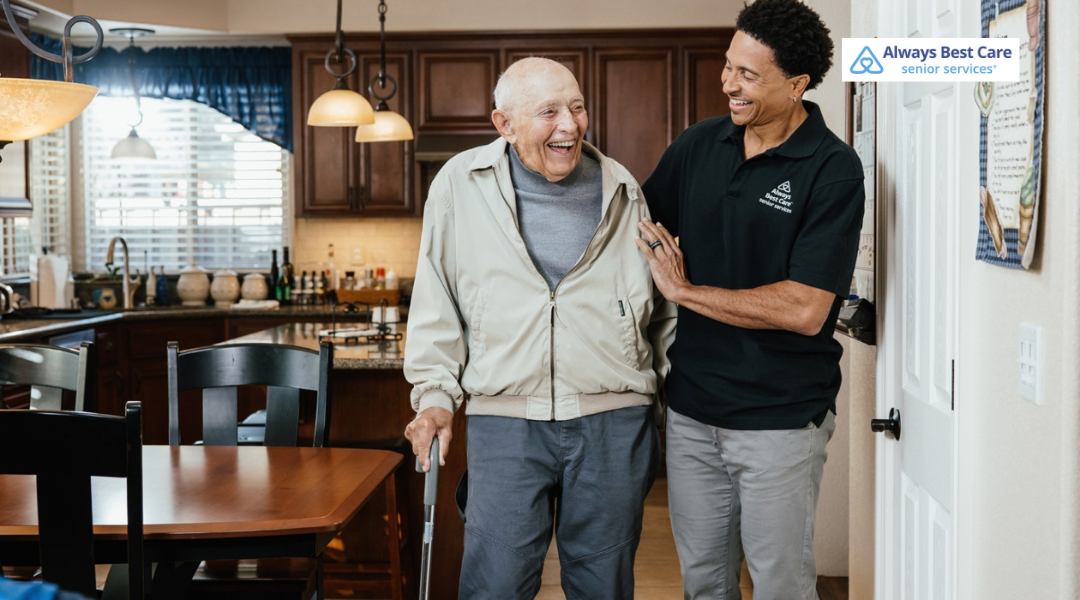

Blood Sugar Red Flags in Older Adults: Essential Knowledge for Family Caregivers in Lancaster, PA
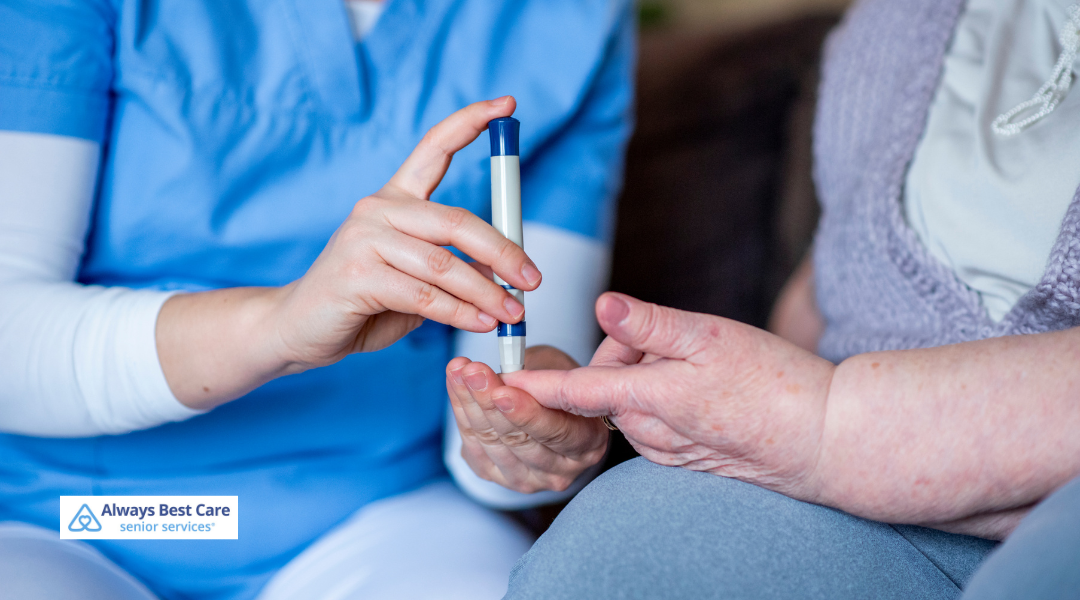
For older adults living with diabetes, managing blood sugar isn’t a one-time achievement — it’s an ongoing process that shifts with age. Even seniors who have kept their diabetes well-controlled for decades can find that what worked before no longer works as well. New medications, changes in appetite, reduced activity, and other health conditions can all throw blood sugar off balance.
The stakes are high. When glucose levels swing too far in either direction, the consequences can range from mild discomfort to a life-threatening emergency. For families and caregivers in Lancaster, understanding the warning signs — and knowing how to respond — can make all the difference.
Table of Contents
What You Will Learn
- Why diabetes management can become more complicated as older adults experience changes in appetite, kidney function, medications, activity level, memory, vision, mobility, and other health conditions.
- Common warning signs of low blood sugar, including shaking, sweating, dizziness, weakness, hunger, headaches, irritability, confusion, trouble concentrating, and poor coordination.
- Common signs of high blood sugar, such as increased thirst, frequent urination, blurred vision, fatigue, unexplained weight loss, slow-healing wounds, and recurring infections.
- Why sudden confusion, unusual behavior, weakness, poor balance, fainting, seizures, trouble breathing, or loss of consciousness should never be dismissed as normal aging.

Why Blood Sugar Becomes Harder to Control as We Age
Aging introduces a range of physiological changes that directly affect how the body processes glucose. Kidney function typically declines with age, which can alter how diabetes medications are metabolized and increase the risk of side effects. Hormonal shifts, reduced muscle mass, and slower digestion all play a role as well.
Managing diabetes in older adults is further complicated by the fact that many seniors are managing multiple health conditions simultaneously. Polypharmacy — taking several medications at once — can create interactions that affect blood sugar in unpredictable ways.
Cognitive changes add another layer of complexity. A senior with early memory loss may forget to take insulin, skip meals without realizing it, or be unable to accurately report symptoms to a caregiver or doctor. These gaps in self-management can lead to dangerous fluctuations that go undetected until a crisis occurs.
The Warning Signs of Low Blood Sugar (Hypoglycemia)
Hypoglycemia occurs when blood glucose drops below the normal range. It can develop quickly — sometimes within minutes — and requires prompt attention.
Common symptoms include:
- Shaking or trembling
- Sweating, even when not warm
- Sudden dizziness or weakness
- Intense hunger
- Headache
- Irritability, anxiety, or mood changes
- Difficulty concentrating or following a conversation
- Confusion or disorientation
- Loss of coordination or unsteady gait
One of the challenges with older adults is that many of these symptoms can be mistaken for normal aging or other conditions. A senior who seems suddenly confused or unusually unsteady may be experiencing a blood sugar drop — not just “having a bad day.”
Severe hypoglycemia can lead to seizures or loss of consciousness. If this occurs, call 911 immediately.

The Warning Signs of High Blood Sugar (Hyperglycemia)
Unlike low blood sugar, hyperglycemia tends to develop gradually, which means the warning signs are easier to overlook — sometimes for days or even weeks.
Symptoms to watch for include:
- Excessive thirst that doesn’t go away
- Frequent urination, especially at night
- Blurred or worsening vision
- Persistent fatigue or weakness
- Headaches
- Unexplained weight loss
- Wounds or cuts that are slow to heal
- Frequent infections
Over time, chronically elevated blood sugar causes serious damage to the eyes, kidneys, nerves, heart, and blood vessels. But even in the short term, very high glucose levels can trigger a medical emergency. If a loved one shows sudden severe confusion, difficulty breathing, extreme weakness, or loses consciousness, seek emergency care right away.
Paying Attention to What’s “Normal” for Your Loved One
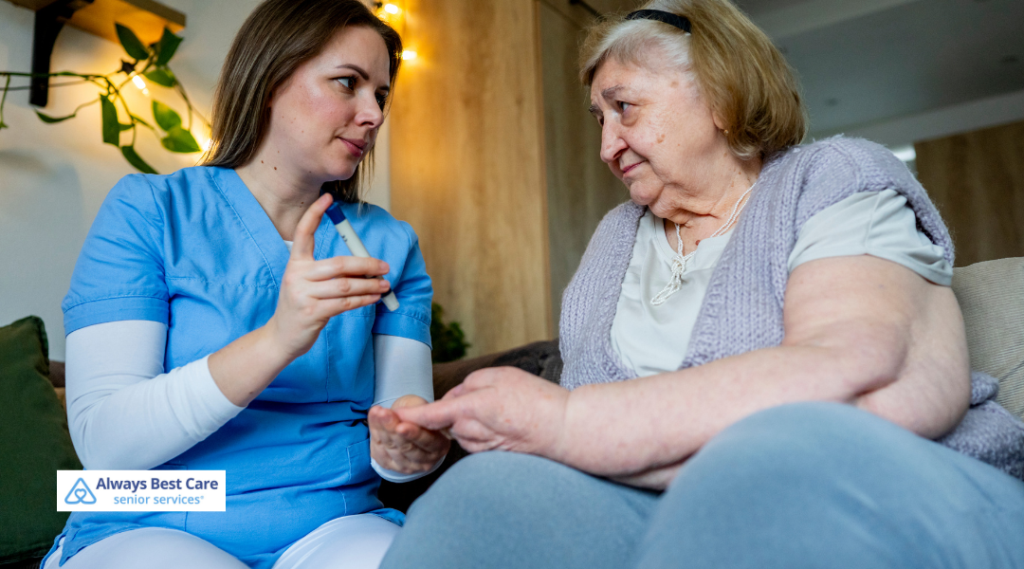
You don’t need a medical degree to be an effective advocate for a senior with diabetes. One of the most valuable things a family member can do is simply know what’s typical for their loved one — and notice when something is off.
Is your mom sleeping far more than usual? Is your dad constantly refilling his water glass and making frequent trips to the bathroom? Has a usually sharp and engaged loved one started seeming foggy or unsteady? These shifts deserve attention, not dismissal.
If your loved one has diabetes, work with their healthcare provider to understand:
- Their personal target blood sugar range
- How often glucose should be checked
- Which symptoms warrant a call to the doctor
- What constitutes an emergency requiring immediate care

Building Routines That Support Stable Blood Sugar
Consistency is one of the most powerful tools in diabetes management. Predictable routines around meals, medications, activity, and monitoring help keep blood sugar within a healthy range and reduce the risk of dangerous swings.
Helpful habits may include:
- Eating meals and snacks at regular times each day
- Taking medications exactly as prescribed — no skipped doses
- Monitoring blood glucose as recommended by the healthcare provider
- Drinking enough water throughout the day
- Engaging in appropriate physical activity
- Keeping all scheduled medical appointments
Families should also make sure healthcare providers have a complete picture of every medication and supplement a senior is taking. Even over-the-counter products and vitamins can interact with diabetes medications in ways that affect blood sugar control.
When Memory or Mobility Challenges Get in the Way
Effective diabetes management requires a lot of moving parts: remembering medications, tracking meals, testing blood sugar, and getting to appointments. For seniors dealing with memory loss or cognitive decline, keeping up with all of this can become genuinely difficult.
Physical limitations create their own barriers. Arthritis can make it painful or impossible to operate a glucose meter. Vision changes may make it hard to read medication labels or food packaging. Mobility issues can limit access to healthy food or make it difficult to stay active.
When these challenges arise, it’s often a signal that additional support at home would be beneficial — not just for diabetes management, but for overall safety and quality of life.

How Always Best Care of Lancaster Can Help
Living well with diabetes is about far more than numbers on a glucose meter. It involves consistent meals, reliable routines, proper hydration, regular activity, and ongoing communication with healthcare providers. For many seniors, maintaining all of this independently becomes harder over time.
Always Best Care of Lancaster caregivers provide hands-on daily support, including meal preparation, medication reminders, hydration encouragement, transportation to medical appointments, and attentive observation of any changes in health or behavior that should be reported to family or providers.
For seniors who qualify, home health services offer an additional layer of clinical support — with trained healthcare professionals delivering care tailored to each individual’s medical needs and physician-directed care plan.
Helping Your Loved One Stay Safe with Diabetes in Lancaster
Blood sugar can shift quickly, and older adults don’t always recognize — or are able to communicate — the warning signs. Staying involved, knowing your loved one’s baseline, and acting promptly when something seems off are among the most important things a family can do.
Frequently Asked Questions
Q: What blood sugar levels are considered dangerous for older adults?
A: Generally, blood sugar below 70 mg/dL is considered low (hypoglycemia), and levels above 180 mg/dL after meals may indicate hyperglycemia. However, target ranges vary by individual. Older adults often have slightly different goals than younger patients — always follow the guidance of the senior’s healthcare provider.
Q: Can diabetes symptoms look different in older adults than in younger people?
A: Yes. Older adults may not experience the classic symptoms of low or high blood sugar as clearly. For example, hypoglycemia may present as confusion or unsteadiness rather than shaking or sweating. This is why caregiver awareness is so important.
Q: How often should an older adult with diabetes check their blood sugar?
A: This depends on the type of diabetes, the medications being used, and the individual’s overall health. Some seniors check once or twice a day; others may need more frequent monitoring. The healthcare provider will recommend an appropriate schedule.
Q: What should I do if I think my loved one’s blood sugar is dangerously low or high?
A: For suspected severe hypoglycemia (unconscious, seizing, or unable to swallow), call 911 immediately. For mild to moderate low blood sugar in a conscious person who can swallow, a fast-acting carbohydrate (such as juice or glucose tablets) may help — but always follow the care plan provided by their doctor. For signs of very high blood sugar with severe symptoms, seek emergency care.
Q: Can a home caregiver help manage diabetes?
A: A home caregiver is not a medical professional, but they play a vital supporting role. Caregivers can help with meal preparation, medication reminders, hydration, transportation to appointments, and monitoring for changes in behavior or health. For clinical needs, home health services with licensed professionals may be appropriate.
Sources
- American Diabetes Association. Standards of Medical Care in Diabetes. diabetes.org
- National Institute on Aging. Diabetes in Older People. nia.nih.gov
- Centers for Disease Control and Prevention. Diabetes and Older Adults. cdc.gov
- Mayo Clinic. Hypoglycemia: Symptoms and Causes. mayoclinic.org
- Mayo Clinic. Hyperglycemia in Diabetes. mayoclinic.org
- Endocrine Society. Diabetes and Aging. endocrine.org
Support Safer Diabetes Routines at Home
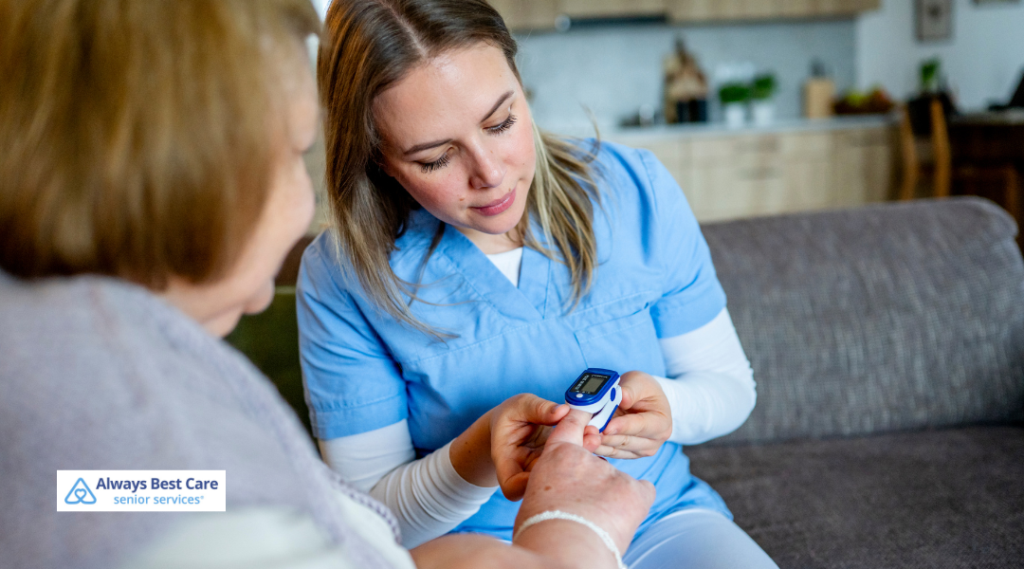
Blood sugar can change quickly, and older adults may not always recognize or be able to communicate the early warning signs. By learning what is normal for your loved one, watching for meaningful changes, and following the healthcare team’s individualized diabetes instructions, your family can help create safer, steadier days at home.
Contact Always Best Care of Lancaster at (717) 924-2252 to learn more and schedule your free consultation.
Link to the markdown version of this blog.