Fall Prevention in Lancaster: Protecting Seniors With Weak or Fragile Bones
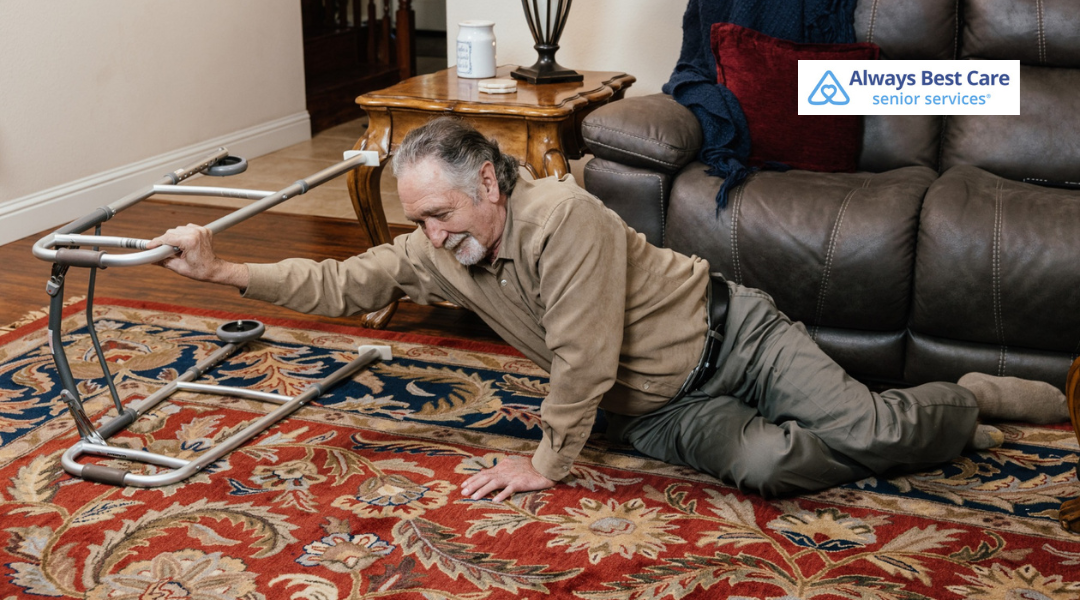
For many older adults in Lancaster, staying active and independent is a point of pride. But when bones are weak from osteoporosis or balance isn’t what it used to be, one slip on a rug or step on a wet floor can lead to a serious fracture—and a long hospital or rehab stay.
The goal isn’t to scare seniors into sitting still; it’s to make everyday spaces safer so they can keep moving with more confidence. With a few thoughtful changes and steady support, Lancaster families can dramatically lower the risk of falls without turning home into a hospital.
What You Will Learn:
- Which seniors are most at risk for falls and fractures.
- Practical home safety changes that reduce fall risk without sacrificing comfort.
- How strength, balance, and routine adjustments support safer movement.
- When families should consider additional in-home support for safety and peace of mind.
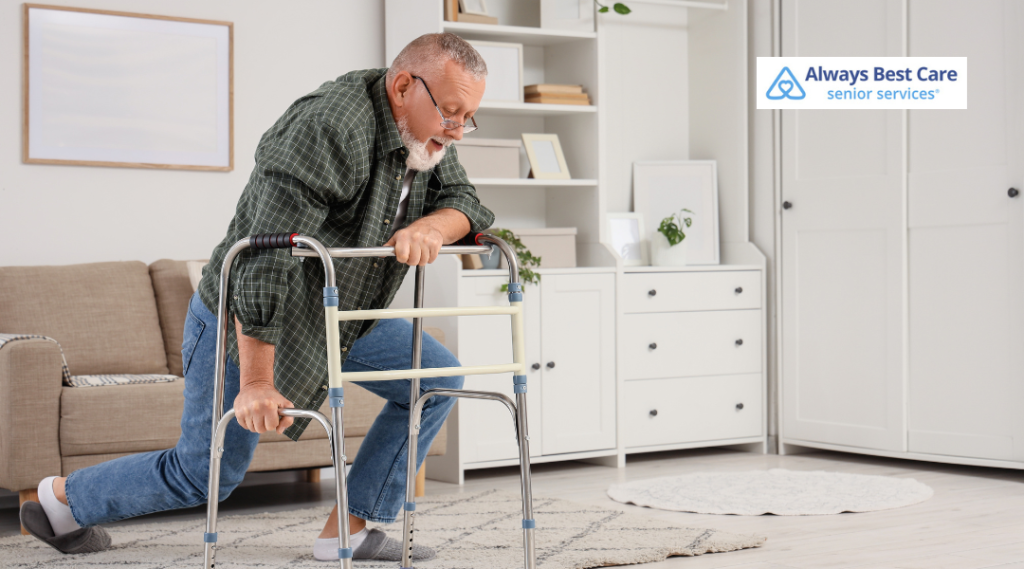
Table of Contents
Understanding Who’s Most at Risk in Lancaster
Not every senior faces the same fall risk. It’s especially important to pay attention if your loved one:
- Has been diagnosed with osteoporosis or osteopenia
- Has already experienced a fracture from a minor fall
- Uses a cane, walker, or holds onto furniture to get around
- Has vision problems, dizziness, or low blood pressure
- Takes medications that cause drowsiness, confusion, or unsteadiness
- Has conditions like arthritis, Parkinson’s, neuropathy, or prior stroke
Lancaster families who recognize these risk factors early can start making safety changes before a serious fall happens.
Step One: Make the Home Easier to Move Around In
A safer home starts with clear, simple walking paths. Small changes can make a big difference for someone with weak or fragile bones.
Clear the Clutter
- Move small tables, plants, and decorative stands away from main pathways.
- Keep hallways, stairs, and entryways free of boxes, shoes, and bags.
- Make sure cords from lamps or electronics don’t cross walking areas.
Think about the routes your loved one takes most often—bedroom to bathroom, kitchen to dining area—and prioritize those paths.
Rethink Rugs and Flooring
- Remove loose throw rugs or secure them firmly with non-slip backing.
- Replace slippery mats with ones that grip the floor.
- Wipe up spills right away, especially in the kitchen and bathroom.
Even a small wrinkle in a rug can be enough to trip someone with fragile bones.
Step Two: Improve Lighting in Key Areas
Good lighting helps seniors spot obstacles and changes in flooring before it’s too late.
Helpful lighting upgrades include:
- Adding brighter bulbs in hallways, stairways, and entry areas.
- Install nightlights between the bedroom and the bathroom for safe late-night trips.
- Use lamps with easy-to-reach switches near beds and favorite chairs.
- Making sure outside steps and porches are well-lit in the evenings.
Lancaster shorter, darker days in certain seasons make consistent indoor lighting especially important.
Step Three: Focus on Bathroom and Stair Safety
Bathrooms and stairs are two of the most common places for serious falls—especially for seniors with weak bones.
Bathroom Safety
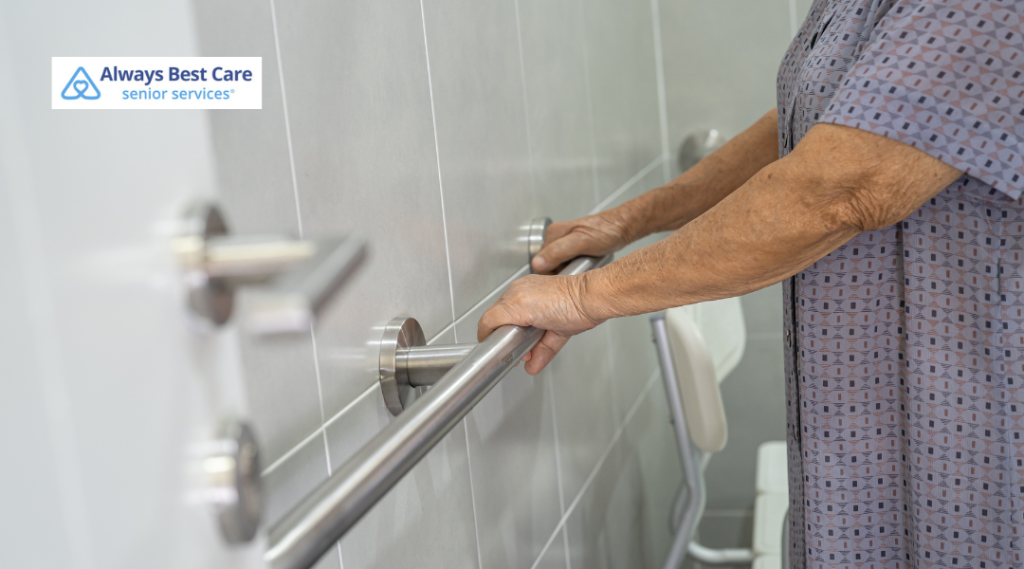
- Install grab bars near the toilet and inside the shower or tub.
- Use a non-slip mat in the tub or shower and on the bathroom floor.
- Consider a shower chair or bench so your loved one can bathe while seated.
- Add a raised toilet seat or a toilet safety frame if standing up is hard.
These additions support independence while greatly reducing the risk of a dangerous slip.
Stair Safety
- Make sure handrails are sturdy, secure, and available on at least one side—ideally both.
- Keep stairs clear of clutter, laundry baskets, and stored items.
- Add high-contrast tape to the edges of steps if depth perception is an issue.
- Encourage your loved one to take stairs slowly, using the rail every time.
If stairs are becoming too risky, talk about rearranging living spaces so that most daily activities happen on one level.
Step Four: Support Stronger Balance and Safer Movement
Fall prevention isn’t only about the environment—it’s also about strength and stability. Even gentle movement can help seniors stay steadier on their feet.
Ideas to discuss with a healthcare provider or therapist:
- Light walking routines, either outdoors on even paths or indoors at home
- Balance exercises, such as standing at the counter and holding on while shifting weight
- Safe, simple strength exercises for legs and core
- Chair-based routines if standing is difficult
If therapy is part of your loved one’s care, ask the therapist to recommend specific exercises and show everyone the safest way to help.

Step Five: Review Medications and Vision Regularly
Falls often have more than one cause. Medications and vision changes are two contributors that are easy to overlook.
- Ask a doctor or pharmacist to review all medications at least once a year for side effects like dizziness or drowsiness.
- Keep an updated list of prescriptions and over-the-counter drugs in one place.
- Schedule regular eye exams and keep glasses prescriptions current.
- Make sure your loved one wears the right glasses for walking, not just for reading.
Adjusting a medication or updating a pair of glasses can sometimes significantly reduce fall risk.
Step Six: Choose the Right Footwear
What’s on the feet matters just as much as what’s under them.
Encourage:
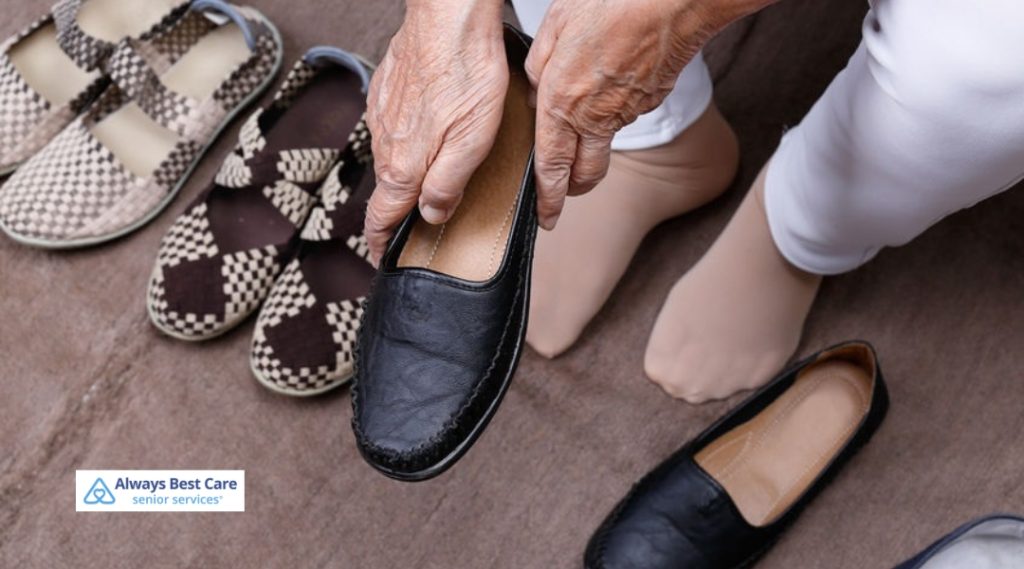
- Sturdy shoes with non-slip soles and good support
- Properly fitted shoes—neither too loose nor too tight
- Avoiding high heels, floppy slippers, or slick socks on hard floors
An extra pair of secure indoor shoes can help replace the habit of walking around in socks or worn-out slippers.
Emotional Side: Encouraging Safety Without Taking Over
For seniors in Lancaster, fall prevention can feel like a loss of independence if it’s presented as a list of “don’ts.” The goal is to protect, not to hover.
Helpful approaches include:
- Framing changes as ways to “keep you doing what you love longer,” not as signs of weakness.
- Involving your loved one in decisions about home changes and equipment.
- Respecting their preferences and style, where possible—there are many attractive safety products now.
- Making adjustments gradually rather than all at once, when that feels more comfortable.
Honest conversations and a little flexibility go a long way toward keeping everyone on the same team.
When to Consider Extra Help at Home
Sometimes, even with safety changes, a senior’s balance, strength, or health makes solo living risky—especially with fragile bones. That’s when added support can make a real difference.
Families might consider in-home help if:
- Falls or near-falls are happening more often.
- A loved one is afraid to shower or move around the house alone.
- Managing medications, meals, and housekeeping is becoming overwhelming.
- Family caregivers are stretched thin trying to cover everything themselves.
Extra support can be a few hours a week or daily help, depending on needs. The key is to step in before a serious injury forces urgent change.
FAQs About Fall Prevention for Lancaster Seniors
Q: Are falls just a normal part of aging?
A: No. Falls are common in older adults, but they’re not inevitable. Many falls can be prevented with home adjustments, strength and balance support, and careful monitoring of health changes.
Q: Does every senior with osteoporosis need grab bars and a shower chair?
A: Not every single person, but many benefit from these tools—especially if they’ve had a fall, feel unsteady, or are nervous about bathing. They’re simple, low-cost ways to add peace of mind.
Q: How can we talk about fall risks without scaring or offending our loved one?
A: Focus on staying independent longer and avoiding hospital trips: “We want you to keep living the way you like, so let’s make things a little safer.” Involve them in picking products and arranging the home.
Q: What should we do after a minor fall if there’s no obvious injury?
A: Treat a minor fall as a warning sign. Let a healthcare provider know, review what happened, and check for changes in medications, vision, or home safety that might have contributed.
Q: Can exercise really make a difference if bones are already fragile?
A: Yes—within safe limits. Gentle, approved exercise supports balance, muscle strength, and coordination, all of which help prevent falls. Always check with a healthcare provider about what’s appropriate.
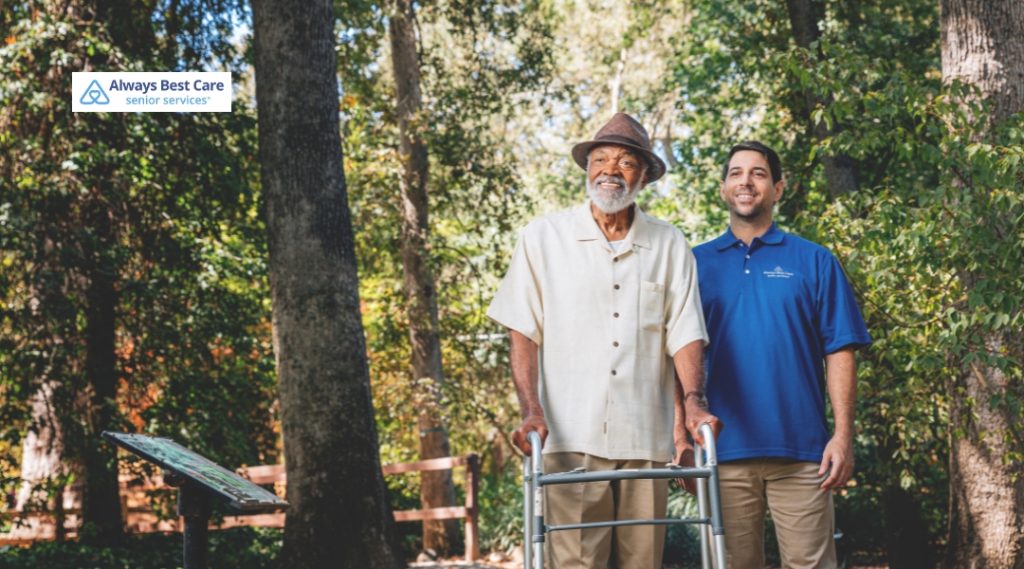
Small Changes, Big Protection for Fragile Bones
For Lancaster seniors with weak or fragile bones, falls can turn an ordinary day into a medical emergency. The good news is that many risks can be lowered with simple, thoughtful steps—clearing walkways, adding support in key areas, improving lighting, and encouraging safe movement.
Families don’t need to transform the entire house overnight. By making gradual, practical changes and staying alert to new risks, you can help your loved one move more confidently, stay safer, and enjoy more of the life they love right at home. Contact Always Best Care of Lancaster at (610) 450-6776 to learn more and schedule your free consultation.
Link to the markdown version of this blog.