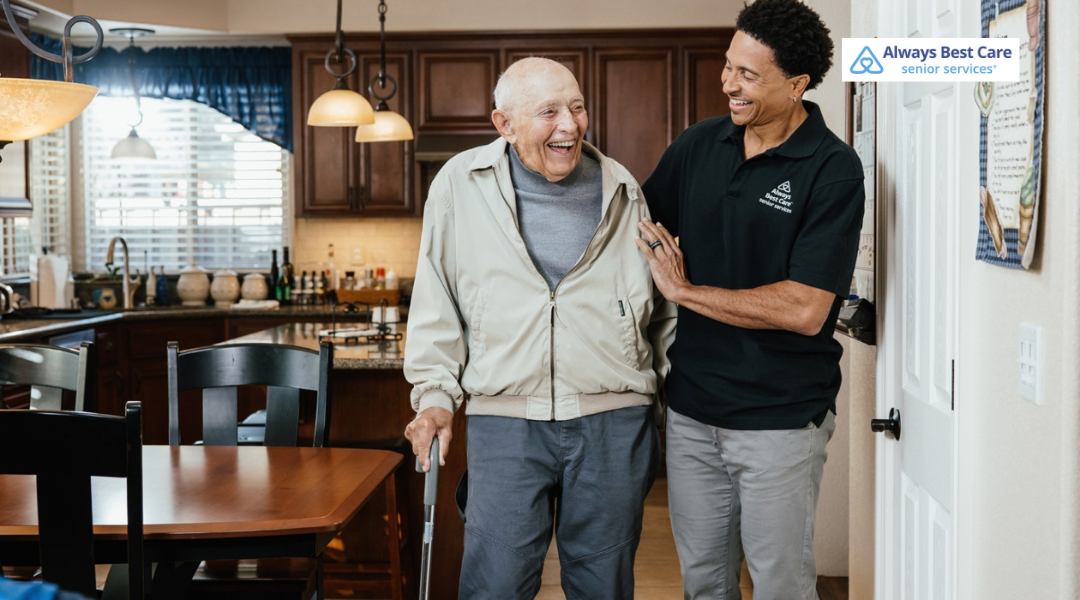

Smart Stroke Prevention for Seniors in Lancaster, PA: Everyday Habits to Protect Brain Health
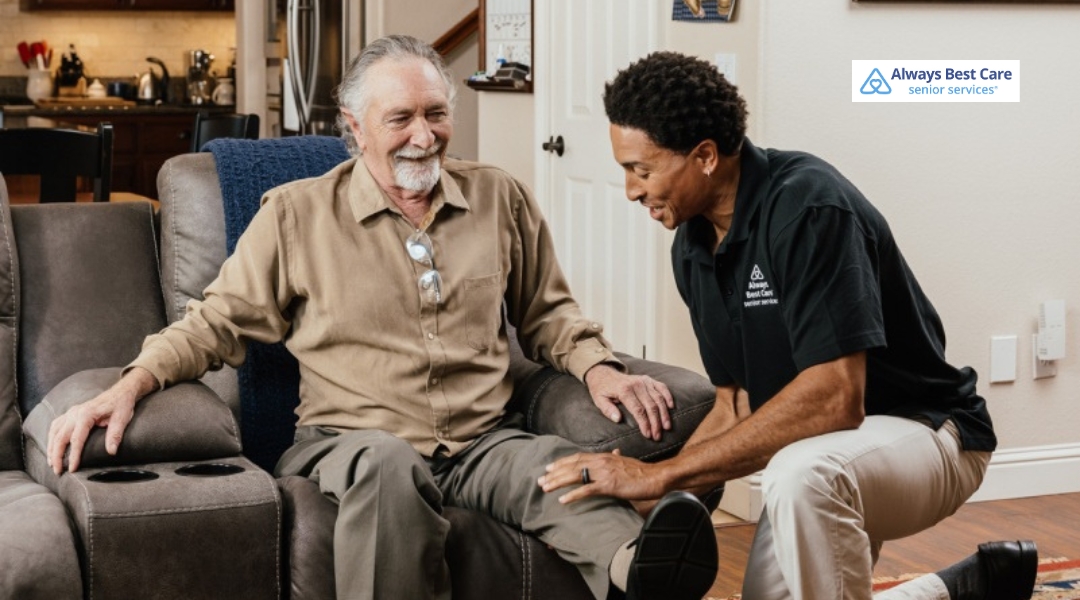
Every 40 seconds, someone in the United States has a stroke. For older adults, the stakes are even higher — age is one of the most significant risk factors, and the consequences can be severe. But here’s what many people don’t realize: up to 80% of strokes are preventable. With the right daily habits and consistent medical care, seniors can take meaningful control of their brain health.
This guide breaks down the most effective stroke prevention strategies for older adults and explains how in-home support can make those strategies easier to maintain.
What You Will Learn:
- Why stroke risk increases with age and how prevention supports long-term independence.
- Everyday habits that help manage blood pressure, diabetes, and cholesterol effectively.
- How movement, nutrition, and hydration work together to protect brain health.
- The role of in-home caregivers in helping seniors stay consistent with stroke prevention routines.

Table of Contents
Why Stroke Risk Rises with Age
The aging process brings natural changes to the cardiovascular system. Blood vessels become less flexible, blood pressure tends to rise, and conditions like diabetes, atrial fibrillation, and high cholesterol become more common. Each of these factors, especially in combination, can significantly increase the likelihood of a stroke.
What makes stroke particularly dangerous is how quickly it strikes. Symptoms appear without warning, which means prevention — not reaction — is the most powerful tool available.
Control Blood Pressure: The Single Biggest Factor
High blood pressure is responsible for nearly half of all strokes. When pressure inside the arteries stays elevated for extended periods, it weakens vessel walls and raises the risk of a rupture or blockage in the brain.
For seniors, keeping blood pressure in a healthy range requires consistent effort:
- Take prescribed medications without skipping doses
- Reduce sodium by avoiding processed and packaged foods
- Stay physically active most days of the week
- Monitor readings at home and track trends over time
- Attend regular checkups to adjust treatment as needed
Even modest reductions in blood pressure can have a significant impact on stroke risk.
Manage Diabetes with Precision
Diabetes damages blood vessels over time, making strokes more likely. Seniors with diabetes are two to four times more likely to experience a stroke than those without the condition — but effective management can dramatically close that gap.
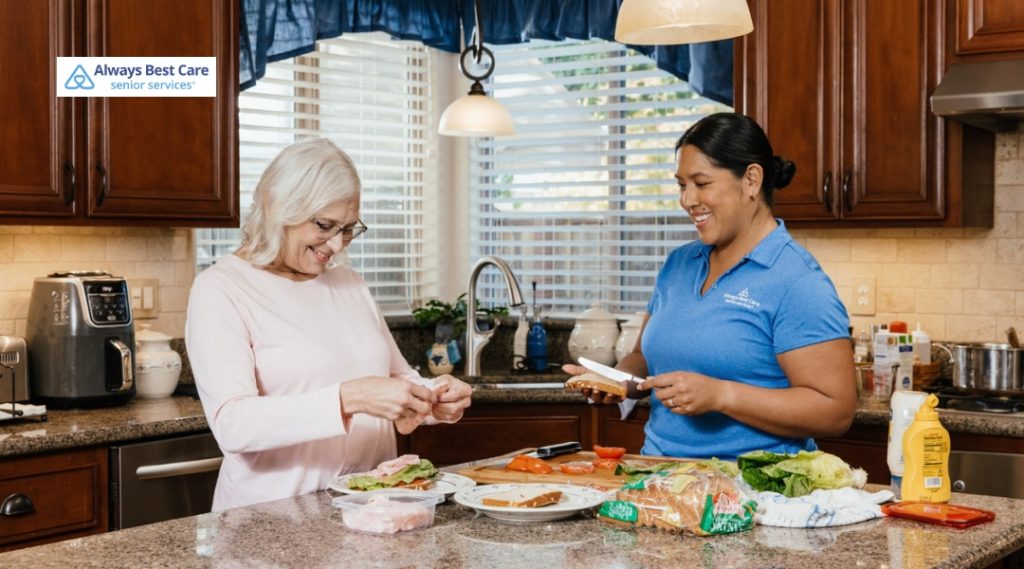
Key strategies include maintaining consistent blood sugar levels through diet, medication adherence, and regular monitoring. Avoiding blood sugar spikes by choosing low-glycemic foods and eating on a regular schedule also helps protect vascular health long-term.
Keep Cholesterol in Check
Cholesterol buildup in the arteries narrows the pathways that carry blood to the brain. When a clot forms in an already-narrowed artery, a stroke can follow quickly.
Seniors can support healthy cholesterol levels by:
- Prioritizing fiber-rich foods like oats, legumes, and leafy greens
- Replacing saturated fats with heart-healthy options like olive oil, avocado, and fatty fish
- Following physician-prescribed medication plans consistently
- Staying active, since exercise raises HDL (good) cholesterol naturally
Move More, Every Day
Exercise is one of the most underutilized stroke prevention tools. Regular physical activity improves circulation, helps regulate blood pressure and blood sugar, supports healthy weight, and reduces inflammation — all factors directly tied to stroke risk.
Seniors don’t need a gym membership or intense training to benefit. Effective, low-impact options include:
- Daily walks of 20–30 minutes
- Chair-based stretching or strength exercises
- Gardening, swimming, or dancing
- Yoga or tai chi, which also improve balance and reduce fall risk
Consistency matters more than intensity. Even light movement done regularly delivers measurable cardiovascular benefits.
Eat to Protect Your Brain
Diet directly shapes the health of blood vessels and the brain. A stroke-preventive eating pattern emphasizes whole, minimally processed foods and limits the ingredients that drive inflammation and arterial damage.
A brain-healthy plate for seniors includes:
- Colorful fruits and vegetables at every meal
- Whole grains such as brown rice, quinoa, and whole wheat bread
- Lean proteins including fish, legumes, and poultry
- Healthy fats from nuts, seeds, and olive oil
- Minimal added salt, sugar, and processed snacks
Staying well-hydrated is equally important. Dehydration can thicken the blood and increase clotting risk, making adequate daily fluid intake a simple but meaningful protective measure.

The Role of In-Home Support in Lancaster, PA
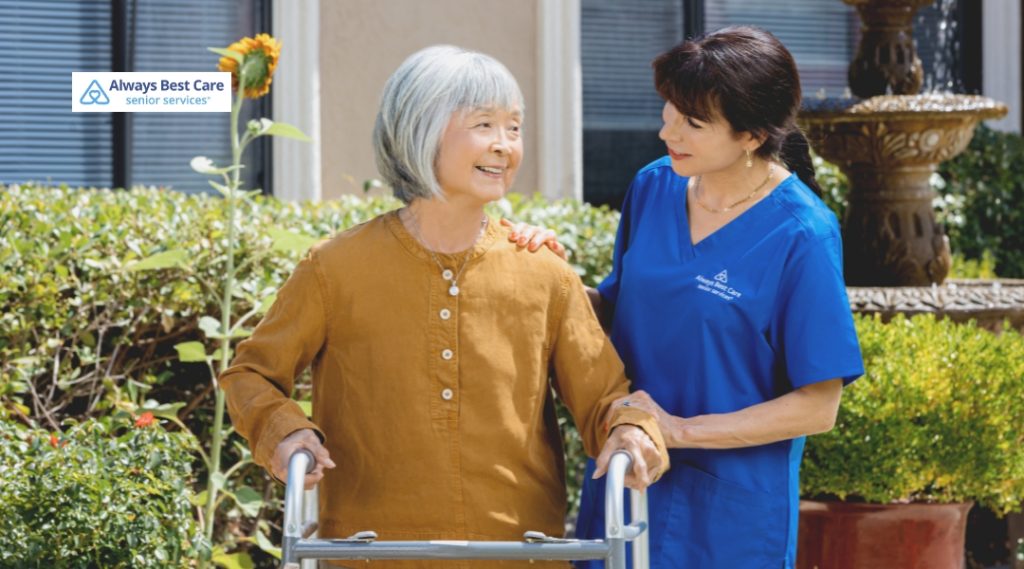
Knowing what to do and consistently doing it are two very different things — especially for seniors managing multiple health conditions or living alone. This is where in-home caregiving support makes a real difference.
A dedicated caregiver can help seniors:
- Prepare nutritious, low-sodium meals tailored to dietary needs
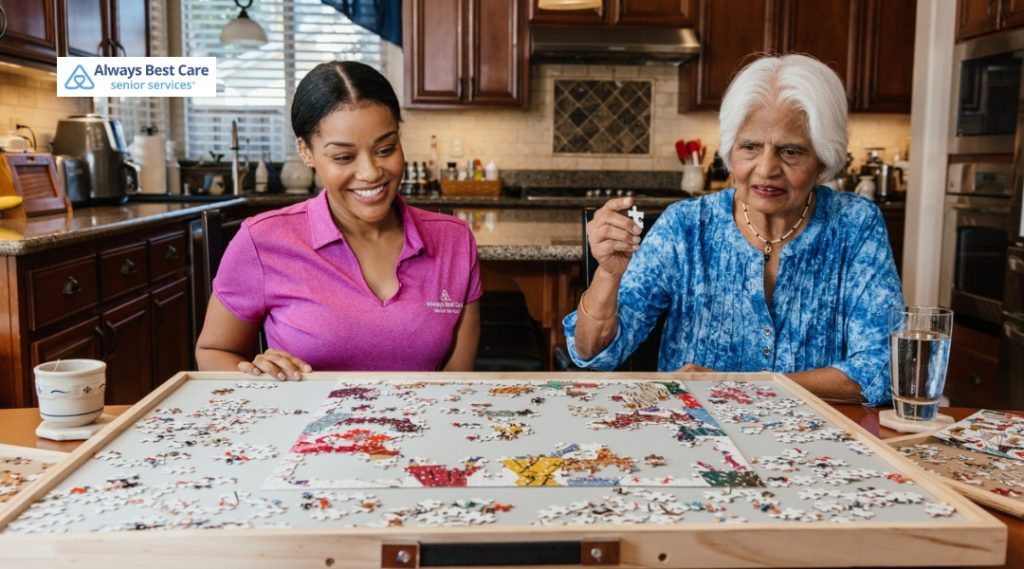
- Maintain a daily activity routine with encouragement and companionship
- Stay on track with medications and medical appointments
- Recognize early warning signs of health changes and communicate them to family or providers
This kind of consistent, personalized support removes the daily friction that often causes healthy habits to slip. For seniors in Lancaster, PA, it can be the difference between knowing the right steps and actually taking them.
Frequently Asked Questions About Stroke Prevention for Seniors
Q: What is the most important thing a senior can do to prevent a stroke?
A: Controlling blood pressure is the single most impactful step. High blood pressure is the leading cause of stroke, and managing it through medication, diet, and lifestyle changes significantly lowers risk.
Q: Are there warning signs before a stroke occurs?
A: Some people experience a transient ischemic attack (TIA), often called a “mini-stroke,” before a full stroke. Symptoms include sudden numbness, confusion, vision changes, or difficulty speaking. A TIA is a medical emergency and should be treated immediately — it’s a critical warning that a larger stroke may follow.
Q: How much exercise does a senior need to reduce stroke risk?
Most health guidelines recommend at least 150 minutes of moderate activity per week, which A: breaks down to about 30 minutes on five days. However, even shorter bouts of movement — 10 to 15 minutes at a time — provide meaningful benefits when done consistently.
Q: Can diet alone prevent a stroke?
A: Diet is a powerful factor, but stroke prevention works best as a combination of healthy eating, regular exercise, medication management, and routine medical care. No single habit works in isolation.
Q: How can a caregiver help reduce a senior’s stroke risk?
A: Caregivers play a hands-on role in stroke prevention by supporting medication routines, preparing heart-healthy meals, encouraging daily activity, and monitoring for changes in health. Their consistent presence helps seniors maintain the habits that matter most.
Q: What should I do if I think someone is having a stroke?
A: Act immediately using the FAST method: Face drooping, Arm weakness, Speech difficulty, Time to call 911. Every minute counts — faster treatment leads to significantly better outcomes.
Helping Seniors Stay Healthy and Independent in Lancaster, PA
Stroke prevention is not a single action — it’s a daily commitment built from small, consistent choices. For seniors in Lancaster, PA, having the right support system in place makes those choices far easier to sustain.
At Always Best Care of Lancaster, PA, our caregivers work alongside seniors and their families to build routines that protect long-term health and independence. From meal preparation and medication reminders to daily activity support and health monitoring, we’re here to help.
Contact Always Best Care of Lancaster at (610) 450-6776 to learn more and schedule your free consultation.
Link to the markdown version of this blog.