

Helping Seniors with Diabetes Stay Independent at Home in Leland
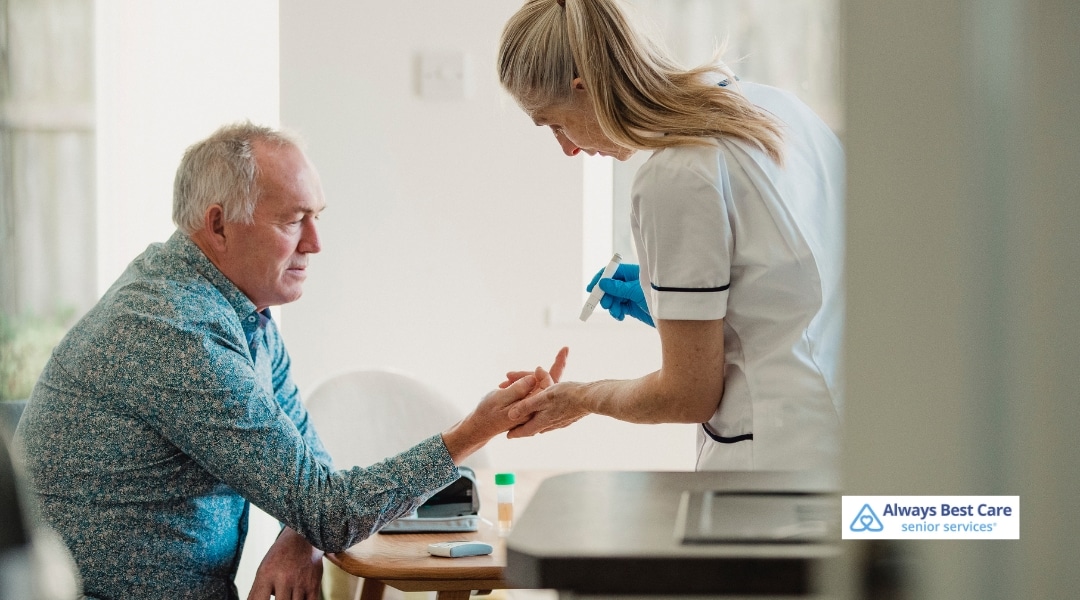
Diabetes is everywhere among older folks these days—it’s one of the most widespread chronic conditions affecting seniors, yet it doesn’t have to derail their quality of life. The tricky part? Managing diabetes with seniors gets complicated as they age. Their bodies change, medications pile up, and suddenly, what worked five years ago doesn’t quite cut it anymore. Here’s the good news: with solid support, regular monitoring, and the right daily habits, most older adults can actually thrive with diabetes and keep doing the things they love.
Families and caregivers are absolutely crucial here. You’re not just helping someone take their meds—you’re helping them maintain independence, avoid serious complications, and honestly, stay connected to what makes life worth living.
What you will learn:
- The key challenges of managing diabetes in seniors and why it’s more complicated as they age.
- How nutrition, exercise, and medication management play vital roles in maintaining a senior’s independence and quality of life.
- The importance of professional caregiver support in Leland and how they can help manage diabetes and ensure safety.
- Red flags to watch for and when to seek medical help to prevent complications.

Table of Contents
What’s Really Happening: Diabetes in Older Adults
So what exactly goes wrong with diabetes? Well, it’s basically your body’s glucose control system misfiring. Blood sugar climbs higher than it should, and over time, that excess sugar damages the heart, kidneys, eyes, nerves—basically everything. For seniors, this gets even trickier because their bodies don’t bounce back as younger people’s do.
There are two main types of seniors to deal with:
- Type 2 diabetes – by far the most common in older adults, usually tied to insulin resistance and lifestyle stuff
- Type 1 diabetes – rarer in seniors, but some folks have been managing it their whole lives
The real challenge? Seniors often juggle multiple medications, deal with appetite changes, and manage other health conditions simultaneously. That’s a lot to keep straight.
The Everyday Struggles: Why Managing Diabetes with Seniors Is Tougher Than It Looks
Let’s be real—managing diabetes with seniors isn’t just about taking pills and checking blood sugar. Older adults run into some genuine obstacles:
- Forgetting to test blood sugar or take insulin on schedule (hey, it happens to everyone)
- Eating at weird times or skipping meals because they’re not hungry
- Struggling physically to prepare meals or get around the kitchen
- Vision issues are making it hard to read medication labels or measure doses correctly
- Keeping track of multiple prescriptions for different conditions—it’s exhausting
These challenges add up fast. When blood sugar bounces around unpredictably, hypoglycemia (dangerously low blood sugar) becomes a real risk, especially for seniors living alone. That’s genuinely scary stuff.

Nutrition: The Foundation That Actually Works
Here’s where managing diabetes with seniors really starts—at the dinner table. A solid diet is the bedrock of keeping blood sugar stable.
What should meals look like?
- High-fiber foods: vegetables, beans, whole grains—they keep blood sugar from spiking
- Lean proteins: fish, chicken, tofu—these help maintain muscle mass
- Minimal sugar and refined carbs: the obvious culprits that throw everything off
- Smaller, more frequent meals: prevent those wild blood sugar swings
The trick is making food enjoyable, not punishing. Seniors shouldn’t feel like they’re eating cardboard. A caregiver who understands nutrition can help prepare meals that taste good AND support health goals. That’s not deprivation—that’s actually caring.
Getting Moving: Why Exercise Matters More Than You’d Think
Here’s something that surprises people: exercise isn’t just about staying fit. It genuinely lowers blood sugar, improves circulation, boosts mood, and strengthens muscle. For seniors, though, we’re not talking about running marathons.
Gentle, low-impact activities work beautifully:
- Walking around the neighborhood or inside the house
- Light stretching or beginner yoga
- Chair exercises (yeah, they count)
- Gardening or light housework
Before starting anything new, though? Talk to a doctor first. They’ll make sure whatever activity you choose is actually safe and appropriate for your loved one’s specific situation.
Staying On Track: The Medication and Monitoring Piece
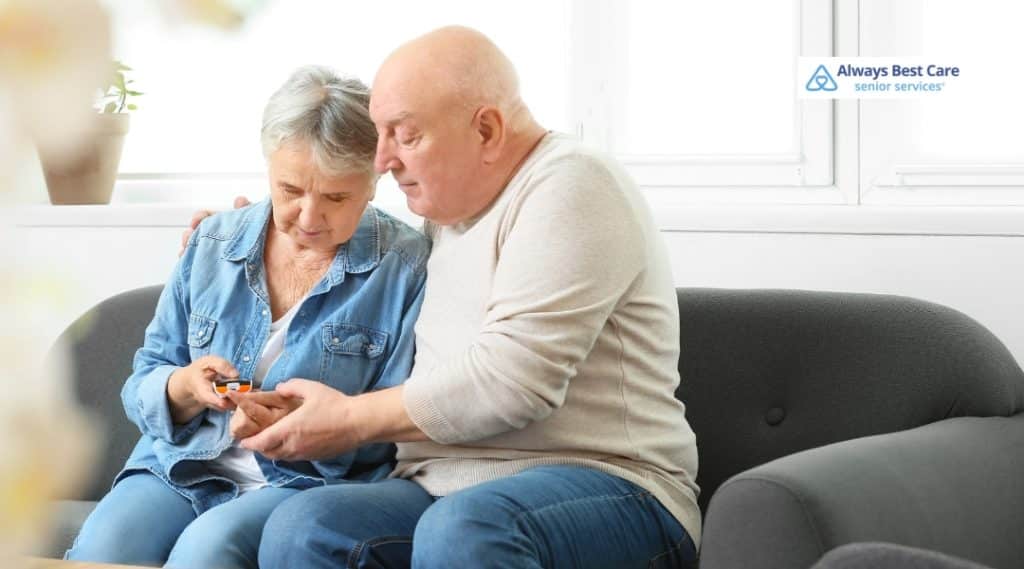
This is where consistency becomes everything. Older adults sometimes struggle with remembering when to test blood sugar or take medications—and honestly, that’s completely understandable. Life gets busy, memory slips, and suddenly it’s 2 PM, and you can’t remember if you took your morning dose.
Here’s what actually helps:
- Set phone reminders for testing and medication times
- Use pill organizers with clear labels
- Keep a simple log of blood sugar readings
- Schedule regular check-ins with healthcare providers
- Watch for subtle changes—mood shifts, energy dips, appetite changes—these signal blood sugar fluctuations
A good caregiver catches these patterns before they become problems.
Red Flags You Absolutely Can’t Ignore
When diabetes isn’t controlled, things can get serious fast. Watch for these warning signs:
- Excessive thirst or bathroom trips
- Sudden exhaustion or weakness
- Blurry vision
- Unexplained weight loss
- Cuts or sores that won’t heal
- Recurring infections
See any of these? Don’t wait around—contact a healthcare provider immediately.
How Professional Support Changes Everything
Managing diabetes with seniors solo is genuinely tough. That’s where professional in-home caregivers step in and make a real difference. They’re not just helpers—they’re partners in maintaining health and independence.
What can they actually do?
- Handle grocery shopping and meal prep
- Encourage movement and proper hydration throughout the day
- Provide medication reminders and track when doses are taken
- Notice and report concerning symptoms early
- Offer companionship that genuinely reduces stress
Stress, by the way? It actually messes with blood sugar control. Having someone supportive around helps more than people realize.
Frequently Asked Questions
Q: What blood sugar targets should older adults aim for?
A: It depends on their overall health. Healthier, more independent seniors typically aim for an A1C around 7–7.5%, while frail older adults or those with multiple conditions do better with a more relaxed target of 7–8% to prevent dangerous low blood sugar episodes.
Q: Can older adults use insulin safely?
A: Absolutely. In fact, simplifying insulin regimens—like switching to once-daily insulin—often works better for seniors and reduces hypoglycemia risk.
Q: How often should blood sugar be monitored?
A: That varies based on medications and individual circumstances. Your healthcare provider will recommend what makes sense for your specific situation.
Q: What about diet restrictions?
A: Don’t make unnecessary dietary changes just for the sake of it. Work with a healthcare provider to balance diabetes management with other health needs. Regular meals with moderate carbs often work better than overly restrictive plans.

Empower Your Loved Ones: Discover How to Support Seniors with Diabetes and Keep Them Independent at Home in Leland
Managing diabetes with seniors doesn’t have to feel overwhelming or isolating. When you’ve got the right strategies—solid nutrition, regular movement, consistent medication management, and professional support—older adults genuinely can maintain their independence and live fulfilling lives. It’s about meeting them where they are, respecting their preferences, and creating a sustainable routine that actually works for their lifestyle.
The path forward isn’t complicated. It’s about showing up consistently, staying alert to changes, and remembering that managing diabetes with seniors is ultimately about preserving the quality of life and dignity they’ve earned. With compassion, practical support, and professional guidance, your loved one can thrive.
Contact Always Best Care of Leland at 919-554-2223 to learn more and schedule your care consultation.