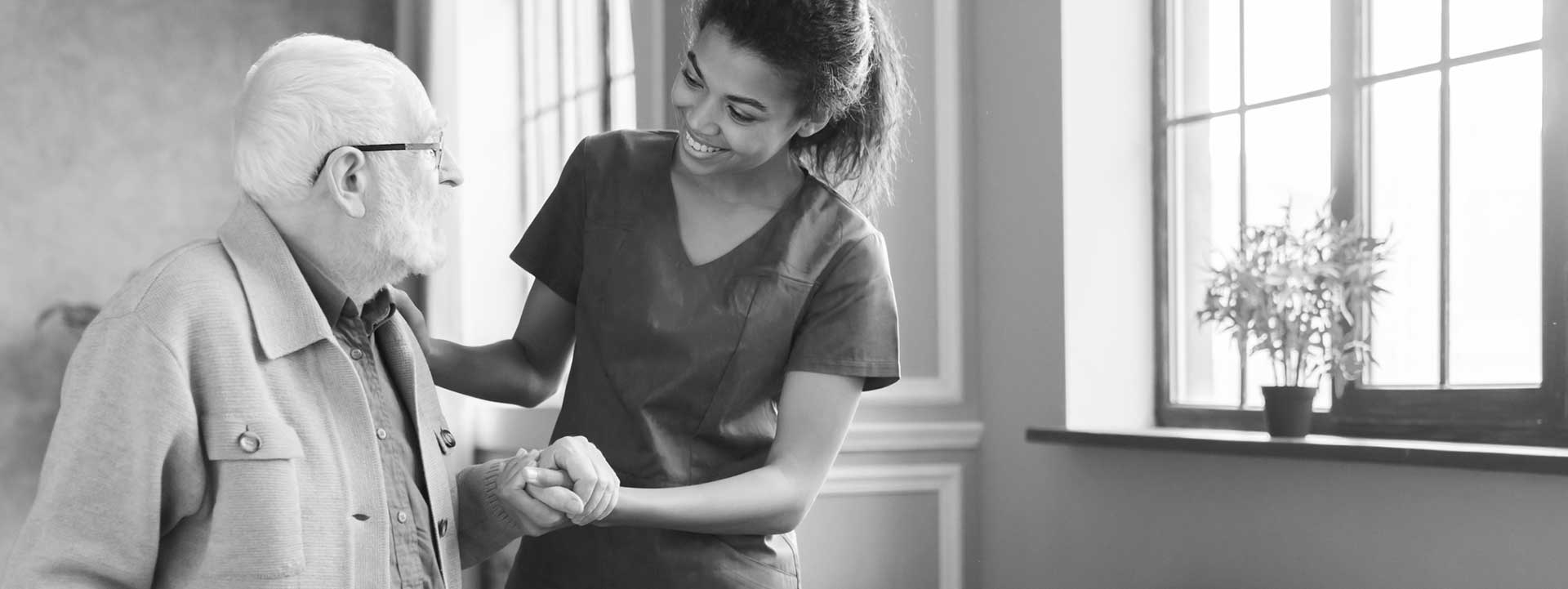
Stroke Recovery Support at Home in Leland with Therapy and Monitoring
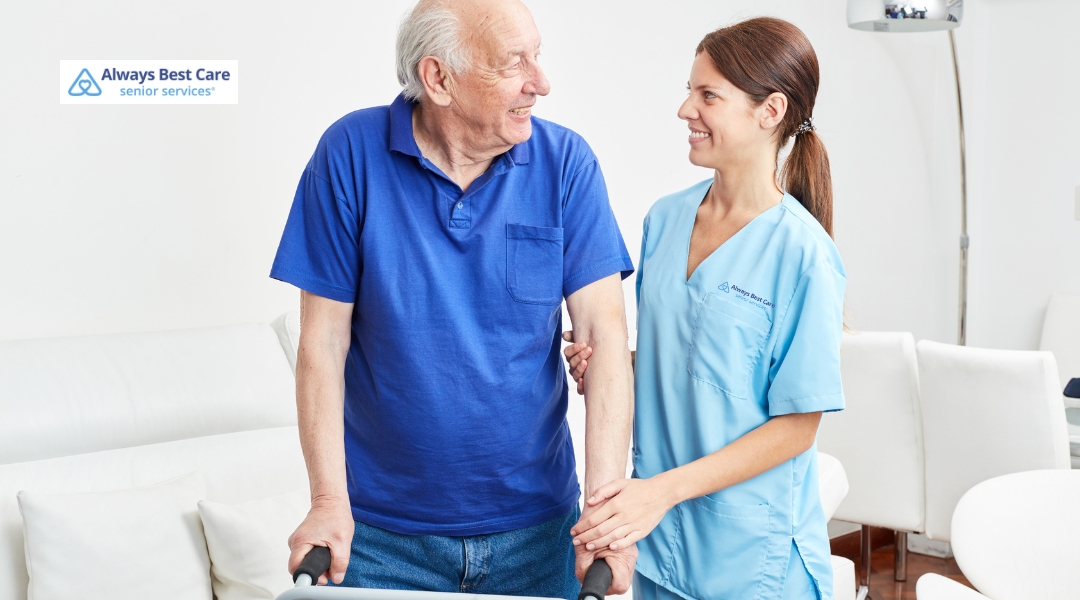
Returning home after a stroke is a significant milestone—but it is also the point where consistent, skilled support becomes essential. The weeks and months following discharge are critical for long-term recovery, and the quality of care during this period can directly influence how much function a survivor regains.
Home health services bridge the gap between hospital care and independent living. By bringing medical professionals and therapists directly into the home, stroke survivors in Leland can continue their recovery in a familiar environment without the physical and emotional strain of frequent clinic visits.
What you will learn:
- How home health services support stroke recovery after returning home in Bristol.
- The role of skilled nursing, physical therapy, and occupational therapy in rebuilding independence.
- Ongoing monitoring and early detection are essential to prevent setbacks.
- How compassionate, in-home support helps improve both physical recovery and emotional well-being.
Table of Contents
The Real Impact of a Stroke on Daily Life
No two strokes are alike. Depending on which area of the brain is affected, survivors may face challenges with movement, speech, memory, swallowing, or emotional regulation. Some effects are immediately visible; others emerge gradually as the person attempts to return to normal routines.
Many families are surprised by how much changes after a stroke. A senior who was previously independent may suddenly need help with bathing, preparing meals, or managing medications. These shifts can be overwhelming for both the survivor and their loved ones.
Home health services address these challenges directly, providing structured, professional care that adapts as the patient progresses.
Skilled Nursing: Medical Oversight Where It Matters Most
Skilled nursing is typically one of the first home health services introduced after a stroke. A licensed nurse visits regularly to monitor health status, manage medications, and identify any warning signs before they escalate.
Skilled nursing support may include:
- Monitoring blood pressure, heart rate, and other vital signs
- Managing complex medication schedules and dosage adjustments
- Watching for signs of a secondary stroke or new complications
- Educating family members on what to expect during recovery
- Coordinating care with the patient’s physicians and specialists
For seniors managing additional conditions such as diabetes, heart disease, or high cholesterol, skilled nurses help integrate stroke recovery into a broader health management plan—reducing the risk of setbacks caused by unrelated complications.
Physical Therapy: Rebuilding Strength and Movement
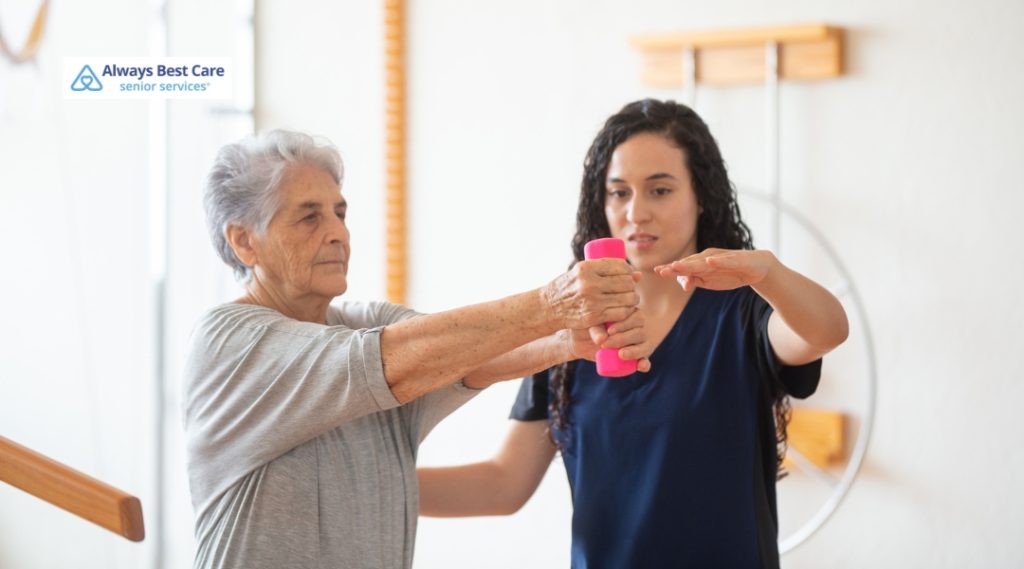
Weakness or paralysis on one side of the body is one of the most common effects of a stroke. Physical therapy focuses on restoring as much movement and stability as possible through targeted, progressive exercise.
A home health physical therapist in Leland works with seniors to improve:
- Muscle strength and coordination
- Balance and fall prevention
- Walking ability and safe mobility throughout the home
- Range of motion in affected arms and legs
Because therapy takes place at home, sessions can be tailored to the actual layout and challenges of the patient’s living space. A therapist can work with a senior on navigating their specific staircase, moving safely between rooms, or getting in and out of their own bed—making progress immediately practical and relevant.
This real-world focus accelerates confidence alongside physical recovery.
Occupational Therapy: Relearning the Routines of Daily Life
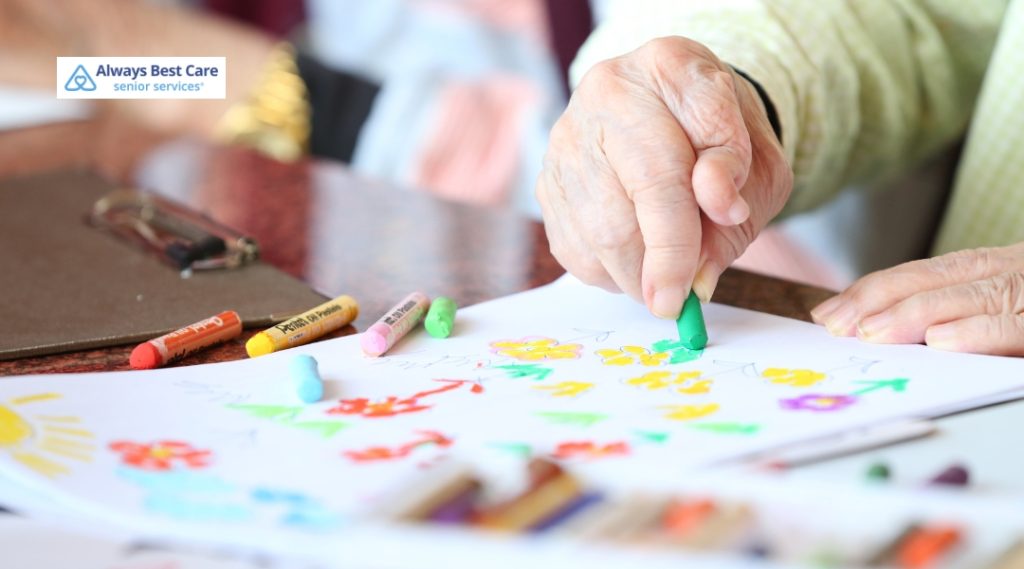
Physical recovery is only part of the picture. Stroke survivors often need to relearn how to perform everyday tasks that were once automatic—dressing, cooking, grooming, and managing household responsibilities.
Occupational therapists help seniors develop new strategies and techniques for these activities, often incorporating adaptive tools or home modifications to make tasks safer and more manageable.
Occupational therapy in Leland may include:
- Practicing safe bathing, dressing, and grooming routines
- Relearning how to prepare simple meals
- Improving fine motor skills and hand-eye coordination
- Recommending assistive devices such as grab bars, reachers, or modified utensils
- Adjusting the home environment to reduce fall risk and increase accessibility
These targeted interventions help stroke survivors regain a sense of control and independence, which is critical for emotional well-being as well as physical recovery.
Ongoing Monitoring: Catching Problems Early
Recovery from a stroke is rarely linear. Progress can plateau, and complications can arise weeks after the initial event. Regular monitoring by home health professionals ensures that changes are caught early and addressed before they become serious.
Home health teams watch for warning signs, including:
- Sudden changes in speech, vision, or movement
- Increased weakness, fatigue, or confusion
- Balance problems or unexplained falls
- Signs of infection, blood clots, or other secondary complications
Early intervention not only protects the patient’s health—it also reduces the likelihood of hospital readmission, which can disrupt recovery momentum and add significant stress for families.
Emotional and Social Support Throughout Recovery
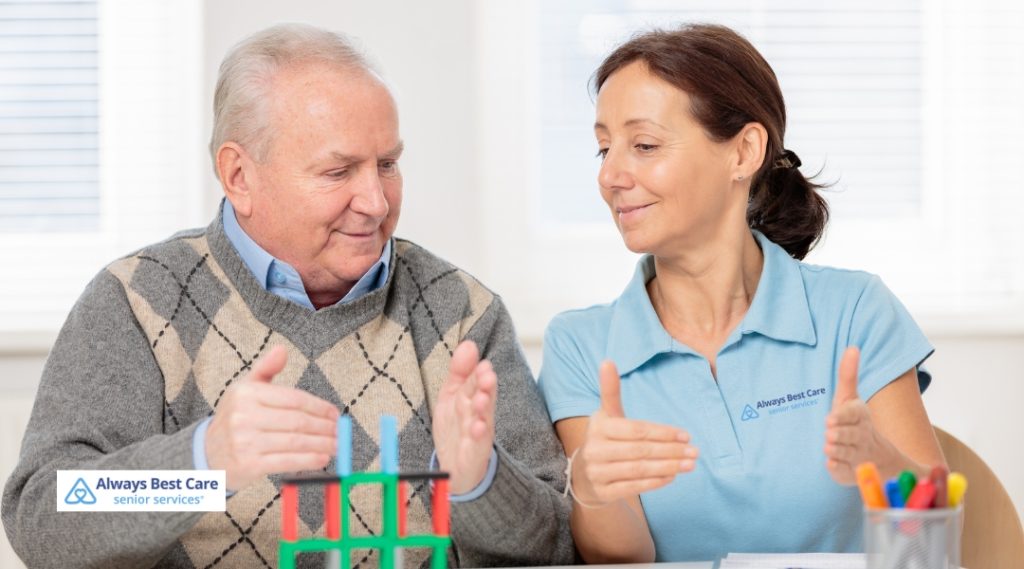
The psychological impact of a stroke is often underestimated. Many survivors experience depression, anxiety, or frustration as they confront new limitations. Feelings of isolation are common, particularly for seniors who lived independently before the stroke.
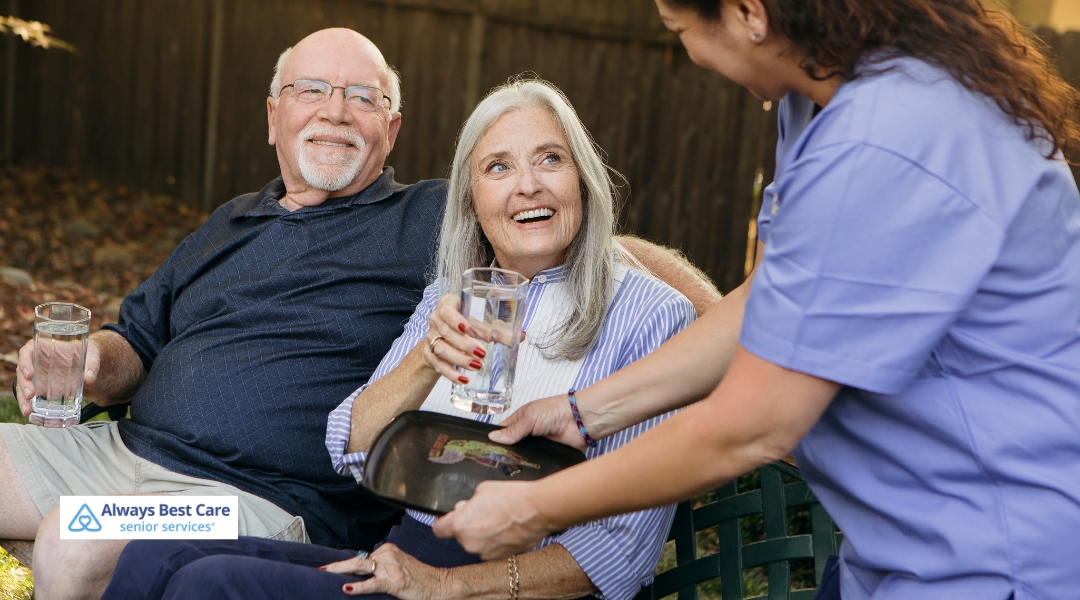
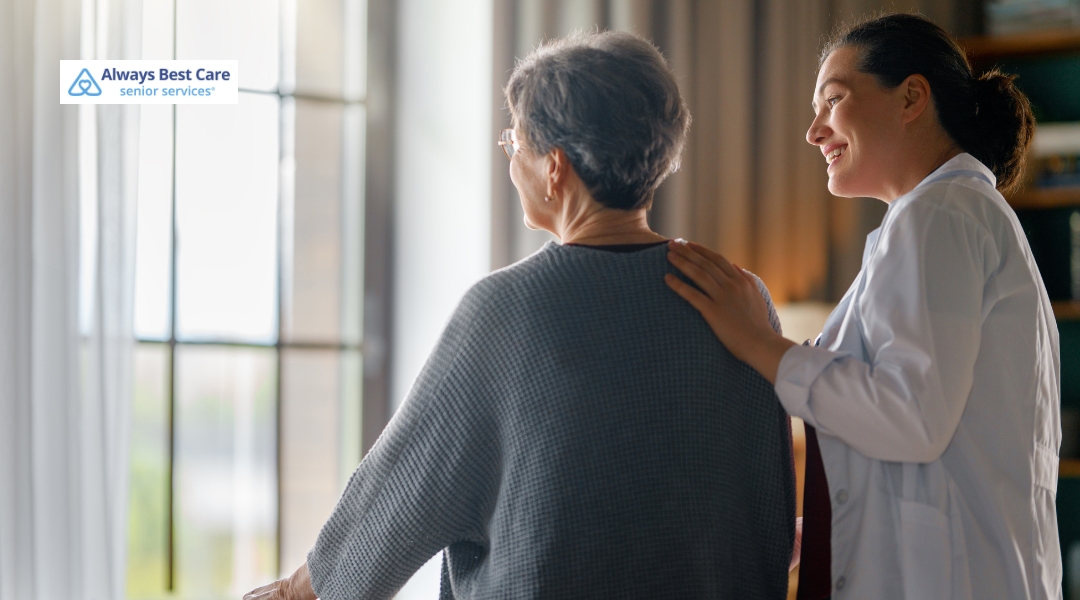
Home health caregivers provide more than medical support. Regular visits from compassionate professionals offer consistency, encouragement, and human connection—all of which contribute meaningfully to long-term recovery outcomes.
Family members also benefit. Knowing that a qualified care team is actively involved reduces caregiver stress and helps families feel more confident in their loved one’s progress.
How Always Best Care of Leland Supports Stroke Recovery
At Always Best Care of Leland, we take a comprehensive approach to stroke recovery at home. Our team coordinates skilled nursing, physical therapy, occupational therapy, and personal care services into a unified plan built around each patient’s specific needs and goals.
In addition to clinical services, our caregivers assist with daily activities, meal preparation, transportation to follow-up appointments, and companionship—ensuring that no aspect of recovery is overlooked.
We work closely with physicians, discharge planners, and family members to ensure continuity of care from the hospital to the home and beyond.
Call Always Best Care of Leland today at 919-554-2223 to schedule a care consultation and learn how our home health services can support your loved one’s stroke recovery.
Frequently Asked Questions
How soon after a stroke can home health services begin?
Home health services can typically begin within days of hospital discharge. In many cases, a discharge planner or physician will initiate a referral before the patient leaves the hospital to ensure there is no gap in care.
Does Medicare cover home health services after a stroke?
Medicare may cover skilled nursing, physical therapy, occupational therapy, and other home health services if the patient meets eligibility criteria, including being homebound and having a physician’s order. Coverage details vary, so it is advisable to confirm benefits with your provider.
How long does home health care continue after a stroke?
The duration depends on the individual’s recovery progress and care needs. Some patients require home health services for a few weeks; others benefit from ongoing support for several months. Care plans are regularly reassessed and adjusted as the patient improves.
What is the difference between home health and home care?
Home health refers to medically supervised services provided by licensed professionals, such as nurses and therapists. Home care refers to non-medical support, such as assistance with bathing, meal preparation, and companionship. Many agencies, including Always Best Care, offer both.
Can family members be involved in the care plan?
Absolutely. Family involvement is encouraged. Home health professionals regularly communicate with family members, provide education on supporting recovery at home, and coordinate with caregivers to ensure consistency between visits.
Link to the Markdown File version of this article.