
Scams aimed at older adults are getting slicker by the day, and many families in Leland are left thinking, “How did this even happen?” Seniors are often seen as easy targets because they’re friendly, financially stable, and sometimes not as comfortable with modern technology. Add a smooth-talking scammer to the mix and, suddenly, a trusted voice on the phone is anything but trustworthy.
The upside? With solid information, candid conversations, and a bit of strategy, we can dramatically cut the odds that a scammer gets away with it. At Always Best Care of Leland, we see education—yes, even smart use of it—as one more tool to keep seniors safer and families more confident.
What you will learn:
- Why our precious older adults are so frequently targeted, and the most common sneaky tricks scammers are using in Leland.
- The telltale red flags and warning signs that will help you spot a scam before it causes any harm.
- Heartwarming, proactive ways your family and dedicated in-home caregivers can team up to build a wonderful protective shield around your cherished relatives.
- Gentle, clear action steps to take with love and confidence if you ever suspect a scammer has contacted your sweet family member.
Table of Contents
Why Are Seniors in Leland Often Targeted?
Scammers usually aren’t picking names at random. They’re hunting for people they believe they can pressure or confuse. Older adults are often targeted because they may:
- Be naturally polite and less likely to hang up or shut the door
- Have retirement savings, home equity, or a steady income
- Live alone or feel isolated from friends and family
- Be less familiar with online accounts, apps, and digital security
All of that makes it easier for a scammer to build quick “trust,” push for fast decisions, and then disappear without a trace.

Common Senior Scams You’ll See in Leland
1. Phone Scams
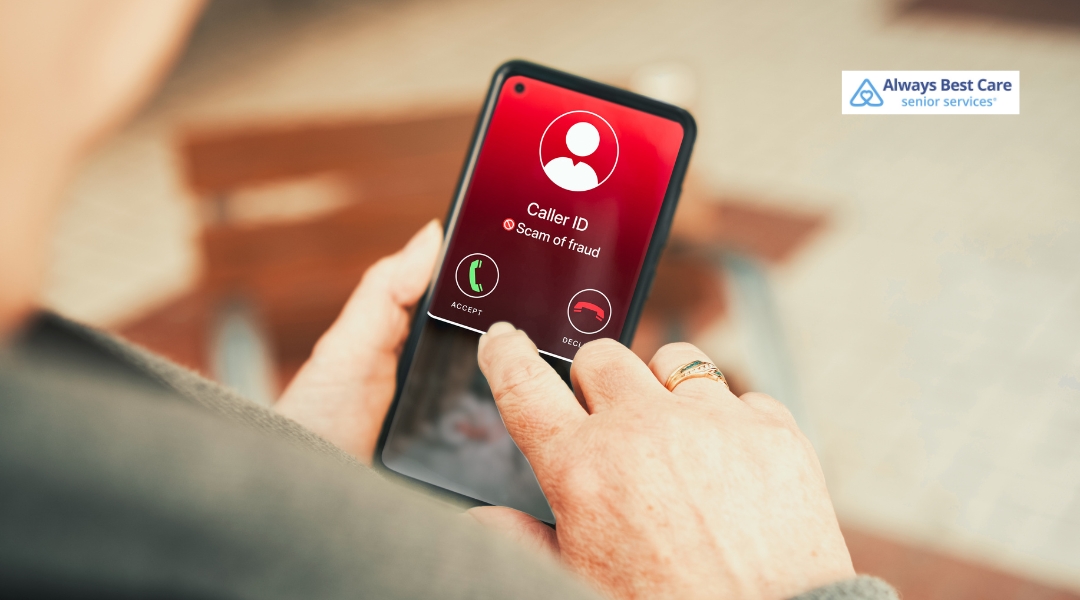
A stranger calls, sounds very official, and suddenly there’s a crisis. They might pretend to be:
- A government agency or law enforcement
- A utility company is threatening to shut off service
- A grandchild or relative in urgent trouble
They usually demand payment now or personal details like Social Security numbers, bank info, or passwords. If there’s pressure and panic in the caller’s voice, that’s a huge red flag.
2. Email, Text, and Phishing Scams
Scammers send messages that look almost identical to those from banks, Medicare, delivery companies, or well-known brands. One careless click and:
- Personal information is captured
- Malware is installed
- Fake login pages steal usernames and passwords
Those messages often sound urgent: “Your account is locked,” “Confirm your identity,” or “Your package can’t be delivered.”
3. Sweepstakes and Lottery Scams
Seniors are told they’ve hit the jackpot—but there’s a catch. To “unlock” the prize, they’re asked to:
- Pay “taxes” or “processing fees.”
- Wire money or buy gift cards
- Share bank or card details
No legitimate lottery works this way. If someone has really won, they don’t have to pay to receive the prize.
4. Online Romance Scams
Someone friendly and charming appears online, often on social media or a dating site. They shower the senior with attention, then eventually claim:
- There’s an emergency
- They can’t access their own money
- They just need a “temporary loan.”
Over time, these scams can drain savings and cause deep emotional hurt.
5. Tech Support Scams
A pop-up or caller insists there’s a serious problem with a computer, tablet, or phone. They:
- Ask for remote access
- “Fix” fake problems
- Charge hefty fees or steal data in the background
Once a scammer has remote access, they can do real damage in minutes.
Warning Signs: Is Something Fishy Going On?
Scams may vary, but they tend to follow the same tired script. Watch for:
- Urgent demands for immediate payment
- Requests for payment via gift cards, wire transfers, or cryptocurrency
- Unsolicited calls, texts, or emails asking for personal or financial details
- Messages that create fear, guilt, or panic
- Instructions to keep the situation secret from family or friends
If something doesn’t sit right, hit pause. Call a trusted family member, the real company number from a statement, or local authorities before taking action.

How Families in Leland Can Help Protect Loved Ones
We have more power than we think here. A few honest conversations can save thousands of dollars and a lot of heartache. Helpful steps include:
- Talking openly about the most common scams and how they play out
- Encouraging loved ones to double-check any strange request before responding
- Watching bank and credit card accounts for unusual purchases or withdrawals
- Setting up call-blocking tools and email spam filters
- Suggesting that seniors call a trusted family member before sending money to anyone
The key is creating a judgment-free space. If a senior worries they’ll be scolded, they may keep quiet until it’s too late.
How In-Home Care in Leland Helps Prevent Senior Scams
Having a reliable caregiver in the home can be a real game-changer. A trained caregiver can:
- Answer or screen suspicious phone calls
- Spot unusual visitors or odd mail
- Notice sudden changes in mood, spending, or routines
- Encourage open conversations with family about money and safety
At Always Best Care of Leland, we take scam awareness seriously. We use education, community outreach, and smart strategies to share scam-prevention tips widely so more local families know what to watch for and how to respond. We focus on real-life situations caregivers see every day and how we can work together to keep seniors safer.

What Should You Do If You Suspect a Scam?
If you think your loved one may have been targeted—or already gave out money or personal information—don’t wait and hope it blows over. Move quickly:
- Contact the bank or credit card company right away to freeze or flag accounts.
- Report the scam to local law enforcement or adult protective services.
- Monitor all accounts closely for additional suspicious activity.
- Offer calm reassurance, not blame. Many victims feel ashamed and may shut down if they feel judged.
The faster we respond, the better chance we have of reducing losses and stopping a scammer from striking again.
How We at Always Best Care of Leland Can Help
We know scams don’t just attack bank accounts—they shake confidence and independence, too. At Always Best Care of Leland, we work to:
- Provide companionship that reduces loneliness and isolation
- Support day-to-day decision-making, especially with phone calls, email, and visitors
- Encourage seniors to check in with family before making big financial choices
- Share scam alerts and safety tips with families so everyone’s on the same page
We believe knowledge should be easy to find and easy to understand. That’s why we use friendly education and plain-language guidance to help local families in Leland get practical scam-prevention tips whenever they need them.
If your loved one could use extra support at home—someone to talk to, someone to help sort mail, or someone to help answer “Is this real?”—we’re ready to lend a hand.
FAQs
Q: What’s the biggest warning sign of a senior scam?
A: High-pressure demands for immediate payment or personal information—especially from an unexpected call, text, or email—are a major warning sign.
Q: Is it safe for my loved one to give information over the phone?
A: Not if the call is unsolicited. It’s safer to hang up, find the company’s official number on a bill or statement, and call back.
Q: My parent feels embarrassed after falling for a scam. How should we respond?
A: Focus on support, not blame. Remind them scammers are professionals at manipulation, and talk about how you’ll work together to prevent it from happening again.
Q: How can Always Best Care of Leland help with scam prevention?
A: We can help screen calls and visitors, watch for unusual behavior, encourage open conversations about money and safety, and keep families informed about common scams in Leland.
Q: What’s one simple step we can take today?
A: Sit down with your loved one, make a short “Do Not Answer” list (unknown numbers, certain area codes, unexpected prize calls), and post it near the phone as a quick reminder.

Take Action Against Senior Scams
Scams may be getting smarter, but so are we. With clear information, regular check-ins, and the right support, families in Leland can greatly reduce the risk that a loved one loses money—or peace of mind—to a scammer.
At Always Best Care of Leland, we’re here to walk alongside you: offering in-home support, scam awareness, and practical guidance that puts safety first while honoring your loved one’s independence. If you’re ready to add another layer of protection and companionship for a senior in your life, reach out to us at (919)504-5523 to schedule a care consultation and learn how we can help keep your loved one safe and confident at home.
Link to the Markdown File version of this article.