
Still Home, Still You: Supporting Independence Through In-Home Care in Leland

Living at home isn’t just about having a roof over our heads—it’s about memories, favorite chairs, familiar neighbors, and the comfort of a well-worn routine. For many older adults facing a chronic illness, staying in that familiar space matters more than ever.
Conditions like heart disease, diabetes, arthritis, COPD, Parkinson’s, and other ongoing health challenges can make daily life tougher. Yet a chronic diagnosis doesn’t automatically mean a move to assisted living or a nursing home. With thoughtful support from in-home care, many seniors in Leland can safely age in place and keep a strong sense of independence.
What you will learn:
- Why staying at home matters so much for seniors managing a chronic illness, and how familiar surroundings support emotional well-being.
- How in-home care helps seniors in Leland maintain independence without sacrificing safety or daily routines.
- The everyday ways caregivers assist with health management, from medication reminders to spotting early warning signs that prevent hospital visits.
- How companionship and consistent support can brighten a senior’s outlook and give families lasting peace of mind.

Table of Contents
Aging in Place with a Chronic Illness in Leland
Why Home Still Matters
Home is often where seniors feel most grounded. The photos on the wall, the creak in the hallway, the neighbor who always waves—these small things bring comfort and stability, especially during health changes.
Aging in place with a chronic illness in Leland means seniors can:
- Stay close to friends, family, and community
- Follow familiar routines that feel safe and reassuring
- Hold onto a sense of control over their daily lives
In-home care steps in as a steady partner, helping seniors remain in the place they love while managing the realities of chronic health conditions.
The Challenges of Living with a Chronic Illness
Chronic illnesses aren’t a quick fix. They often require ongoing attention and careful habits that can feel overwhelming to handle alone.
Common day-to-day challenges include:
- Managing multiple medications and treatment plans
- Coping with reduced mobility or chronic pain
- Handling fatigue that makes chores and self-care harder
- Facing a higher risk of falls or injuries
- Getting reliable transportation to medical appointments
- Dealing with loneliness or social isolation
Left unchecked, these hurdles can chip away at confidence and safety. But with the right support, they don’t have to push seniors out of their homes.

How In-Home Care Promotes Independence
Personalized Help, Not Lost Freedom
One of the biggest perks of in-home care is how it’s tailored to each senior’s needs and comfort level. Instead of doing everything for them, caregivers focus on helping seniors do as much as they safely can on their own—then step in where an extra hand is truly needed.
This kind of support:
- Encourages seniors to stay involved in their own routines
- Reduces risks while still honoring independence
- Builds confidence instead of taking it away
So, rather than feeling “watched,” seniors feel backed up—like they’ve got a trusted partner on their side.
In-Home Care for Chronic Illness in Leland
Help with Everyday Activities
Daily tasks can become tricky with a chronic condition. That doesn’t mean they have to disappear; it just means a little help can go a long way.
In-home caregivers in Leland can assist with:
- Personal care such as bathing, dressing, and grooming
- Meal planning and preparation
- Light housekeeping and laundry
- Grocery shopping and everyday errands
- Transportation to doctors’ offices and therapy appointments
- Gentle medication reminders
By handling energy-draining chores, caregivers free seniors to focus on staying healthy and doing what they enjoy—whether that’s a phone call with grandchildren or a quiet afternoon on the porch.

Supporting Better Health Every Day
Consistency is a big deal with chronic illnesses. Missing doses, skipping meals, or avoiding follow-up visits can quickly snowball into bigger health problems.
In-home care helps seniors stick to the everyday habits that keep them on track:
- Following prescribed medication schedules
- Eating balanced, nourishing meals
- Drinking enough fluids throughout the day
- Staying active with physician-approved exercises
- Keeping scheduled medical appointments
These simple, steady routines add up to stronger long-term health and fewer crises.
Reducing the Risk of Hospital Readmissions
Anyone managing a chronic illness knows that flare-ups can lead straight to the hospital. In-home care creates an extra layer of support by helping families spot small changes before they turn into emergencies.
Caregivers often notice early warning signs such as:
- Changes in appetite or eating patterns
- Increased tiredness or weakness
- New difficulty walking or moving safely
- Shortness of breath or labored breathing
- Swelling or noticeable changes in mobility
- Confusion or unusual behavior
Catching these shifts early gives families time to contact healthcare providers and adjust care—often avoiding a rushed trip to the hospital.

Emotional Well-Being Still Counts
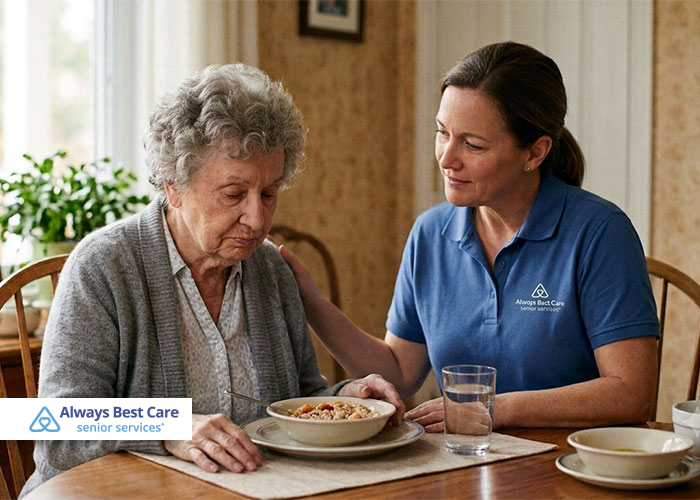
Chronic illness doesn’t just affect the body; it can weigh heavily on emotions too. Seniors may feel frustrated, worried, or disconnected as they adjust to new limits.
Companionship is a key part of in-home care. Having someone who shows up regularly, listens, and genuinely cares can make all the difference. Caregivers can:
- Share meals and conversation
- Take walks, play games, or enjoy hobbies together
- Encourage social connections and community activities
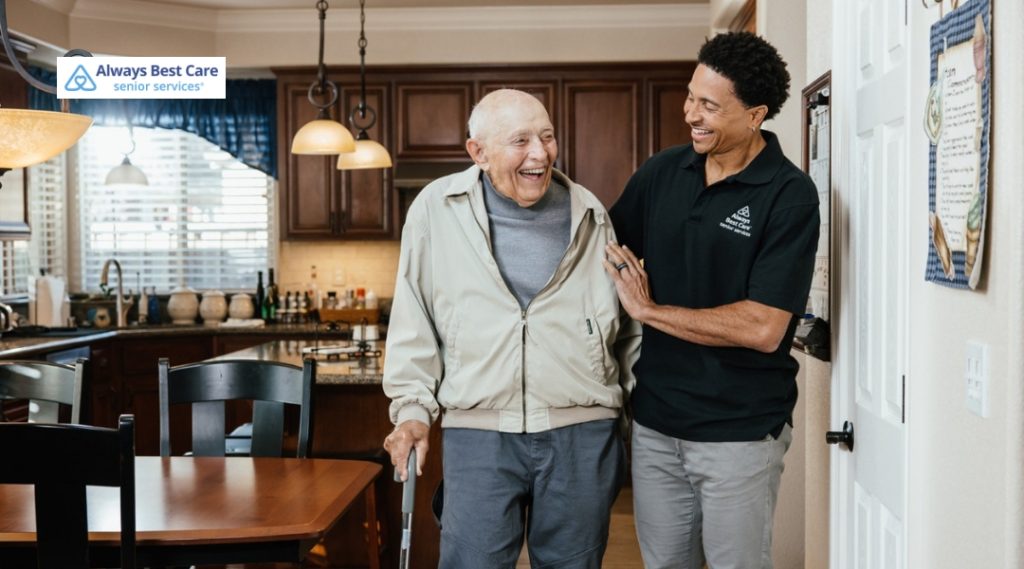
For families, knowing a trusted caregiver is there offers real peace of mind. It’s easier to rest, work, or travel when you know your loved one isn’t alone.
How Always Best Care of Leland Helps Seniors Age in Place
At Always Best Care of Leland, we understand that every senior’s story, routine, and health journey is unique. We work closely with families to build care plans that match each senior’s needs, preferences, and goals at home.
We support seniors managing chronic illnesses such as:
- Diabetes
- COPD and other breathing challenges
- Heart disease
- Parkinson’s
- Recovery after stroke
Our caregivers help with meals, medication reminders, personal care, transportation, and companionship. We focus on keeping seniors safe, comfortable, and independent at home—while supporting the families who love them.

Independence Is Possible with the Right Care
A chronic illness may change how a senior lives, but it doesn’t have to decide where they live. With thoughtful in-home care, many older adults in Leland can continue enjoying the comfort of home and the pride that comes with staying independent.
If your loved one has a chronic illness and needs extra support at home, we at Always Best Care of Leland are here to help you navigate the journey.
Stay Home, Stay Strong in Leland
Aging in place with a chronic illness in Leland is not just wishful thinking—it’s a real, practical option with the support of in-home care. By offering help with daily tasks, health routines, emotional well-being, and early warning signs, caregivers make it possible for seniors to remain in the homes they cherish.
We at Always Best Care of Leland are committed to walking alongside you and your loved one, providing compassionate, dependable care that protects both independence and dignity.
Call Always Best Care of Leland at (919)504-5523 to schedule a care consultation and talk about what your loved one needs to stay safe and comfortable at home.
FAQ About Aging in Place with a Chronic Illness
Q: Can someone with a chronic illness safely live at home?
A: Yes, many seniors with chronic conditions can safely age in place when they have reliable in-home care, proper monitoring, and a care plan tailored to their needs.
Q: What types of tasks do in-home caregivers in Leland help with?
A: Caregivers can assist with personal care, meals, housekeeping, errands, transportation, and medication reminders, as well as companionship, reducing the risk of falls and emotional support.
Q: How does in-home care help prevent hospital readmissions?
A: Caregivers often notice early changes in health—like increased fatigue or confusion—and can alert families so they can contact healthcare providers before problems escalate.
Q: Is in-home care only for severe health issues?
A: No. In-home care can support seniors with mild, moderate, or complex chronic illnesses, helping them maintain independence and avoid unnecessary moves away from home.
Link to the Markdown File version of this article.