
Stay Sharp and Protected: Stroke Prevention Tips for Seniors in Leland
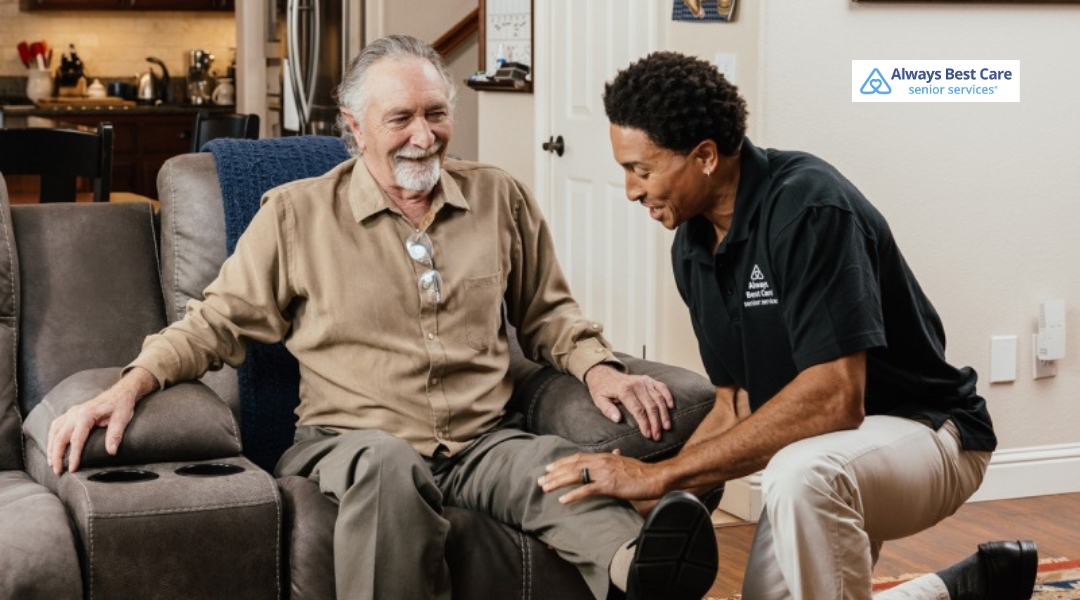
Every 40 seconds, someone in the United States has a stroke. For older adults, the consequences can be especially severe, affecting mobility, speech, memory, and the ability to live independently. The good news is that up to 80% of strokes are preventable. With the right daily habits and proactive health management, seniors in Leland can significantly reduce their risk and maintain a high quality of life.
What you will learn:
- The key risk factors that increase stroke risk in seniors and why awareness matters.
- The most important daily habits—like managing blood pressure, staying active, and eating well—that help protect brain health.
- How managing conditions such as diabetes and high cholesterol supports long-term stroke prevention.
- The valuable role caregiver support plays in helping seniors stay consistent with healthy routines and medical care.

Table of Contents
Why Stroke Risk Rises with Age
Aging naturally changes the cardiovascular system. Blood vessels become less flexible, blood pressure tends to rise, and the heart may work less efficiently. These changes, combined with conditions like diabetes, high cholesterol, and atrial fibrillation, create an environment where stroke risk climbs steadily.
Understanding your personal risk factors is the first step toward prevention. A conversation with your doctor can help identify which areas need the most attention and what steps will have the greatest impact.
Control Blood Pressure — Your Most Powerful Defense
High blood pressure is the single most significant modifiable risk factor for stroke. When pressure in the arteries stays elevated, it gradually weakens blood vessel walls, making them more prone to blockage or rupture.
The challenge is that high blood pressure rarely causes noticeable symptoms, earning it the nickname “the silent killer.” Many seniors don’t realize their levels are dangerously high until a serious event occurs.
Practical steps to manage blood pressure:
- Check levels at home with a reliable monitor and log the results
- Reduce sodium intake — aim for less than 1,500 mg per day
- Take prescribed medications consistently, even when feeling well
- Limit alcohol consumption
- Manage stress through relaxation techniques, social connection, or light exercise
Keep Diabetes in Check
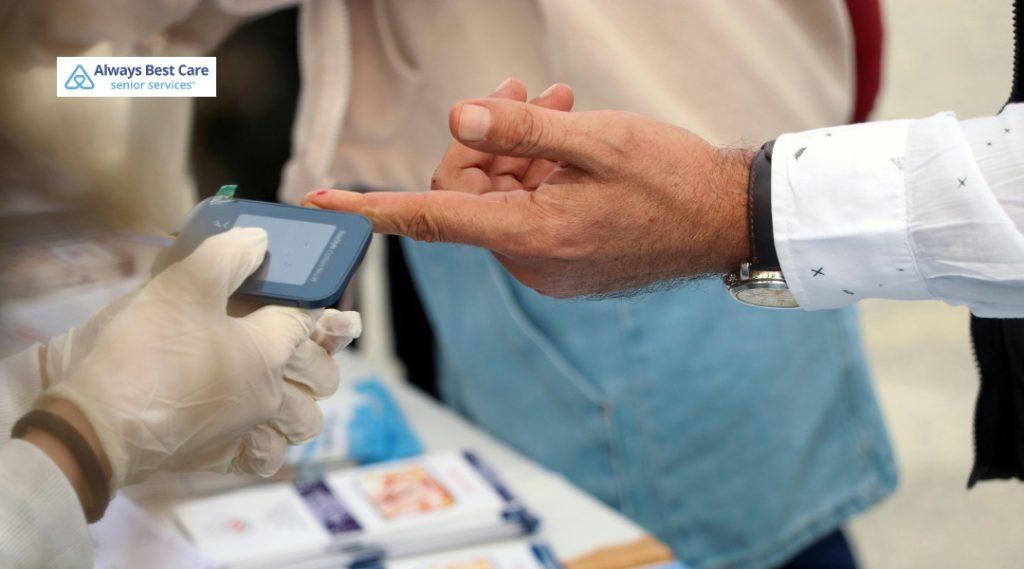
Diabetes damages blood vessels over time, making strokes more likely and more severe. Seniors with diabetes are two to four times more likely to have a stroke than those without the condition.
Tight blood sugar management is essential. This means following a structured meal plan, staying active, and taking medications as directed. Regular A1C testing helps track long-term blood sugar control and gives both patients and physicians a clearer picture of overall risk.
Address Cholesterol Proactively
Excess LDL cholesterol contributes to plaque buildup inside the arteries — a condition called atherosclerosis. As plaque accumulates, it narrows the arteries and restricts blood flow to the brain. If a piece of plaque breaks loose, it can trigger a stroke.
Heart-healthy habits that support healthy cholesterol:
- Prioritize fiber-rich foods like oats, legumes, and leafy greens
- Replace saturated fats with healthier options like olive oil, avocado, and fatty fish
- Avoid trans fats found in processed and packaged foods
- Follow any statin or cholesterol-lowering medication plan prescribed by your physician
Move More Every Day
Regular physical activity is one of the most effective stroke prevention tools available — and it doesn’t require a gym membership. Exercise strengthens the heart, improves circulation, helps maintain a healthy weight, and naturally lowers blood pressure.
For seniors, the goal is consistency over intensity. Accessible activities that make a real difference:
- Daily walks through Leland’s parks or neighborhoods
- Chair yoga or gentle stretching routines
- Water aerobics or swimming
- Tai chi, which also improves balance and reduces fall risk
Even 30 minutes of moderate movement most days of the week can meaningfully reduce stroke risk.
Eat with Your Brain in Mind
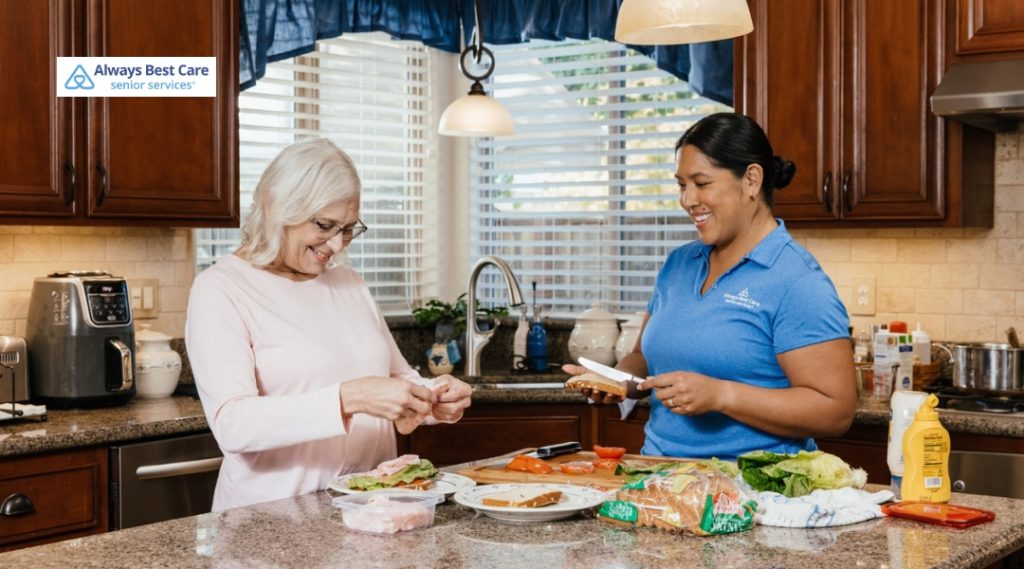
Diet directly influences the health of your blood vessels. A nutrient-dense, anti-inflammatory eating pattern supports cardiovascular function and reduces the buildup of arterial plaque.
A brain-protective diet emphasizes:
- Colorful fruits and vegetables at every meal
- Whole grains over refined carbohydrates
- Lean proteins such as fish, chicken, and legumes
- Healthy fats from nuts, seeds, and olive oil
- Minimal processed foods, added sugars, and excess sodium
The Mediterranean diet, in particular, has strong research backing for reducing stroke risk and supporting long-term brain health.
The Value of Consistent Daily Support
For many seniors, the challenge isn’t knowing what to do — it’s doing it consistently, especially when managing multiple health conditions or living alone. This is where in-home caregiving support makes a meaningful difference.
A dedicated caregiver can help seniors:
- Plan and prepare nutritious meals tailored to dietary needs
- Stay on schedule with medications and doctor appointments
- Maintain an active daily routine with safe, supervised movement
- Monitor for early warning signs and communicate changes to family or physicians
Having reliable support at home creates the structure and accountability that make healthy habits sustainable over time.
Recognize the Warning Signs
Even with the best prevention efforts, it’s important to know how to respond quickly if a stroke occurs. Use the FAST acronym:
- Face drooping on one side
- Arm weakness or numbness
- Speech that is slurred or difficult to understand
- Time to call 911 immediately
Every minute counts. Fast action can minimize brain damage and dramatically improve recovery outcomes.
Frequently Asked Questions
Q: What is the most important thing seniors can do to prevent a stroke?
A: Controlling blood pressure is the single most impactful step. High blood pressure is the leading cause of stroke, and keeping it within a healthy range — through lifestyle changes and medication if needed — significantly lowers risk.
Q: At what age does stroke risk increase most significantly?
A: Stroke risk roughly doubles every decade after age 55. While strokes can occur at any age, the majority happen in adults over 65, making prevention especially important for seniors.
Q: Can stroke risk be reduced even if I already have heart disease or diabetes?
A: Yes. Managing existing conditions through medication, diet, and exercise can still substantially reduce stroke risk. Working closely with your healthcare provider to keep these conditions well-controlled is key.
Q: Are there warning signs before a stroke occurs?
A: Some people experience a transient ischemic attack (TIA), often called a “mini-stroke,” before a major stroke. Symptoms are similar to a stroke but are temporary. A TIA is a serious warning sign and requires immediate medical attention.
Q: How can an in-home caregiver help with stroke prevention?
A: Caregivers support stroke prevention by helping seniors maintain consistent routines — preparing healthy meals, encouraging physical activity, managing medication schedules, and monitoring for health changes. This kind of daily support is especially valuable for seniors managing multiple risk factors.
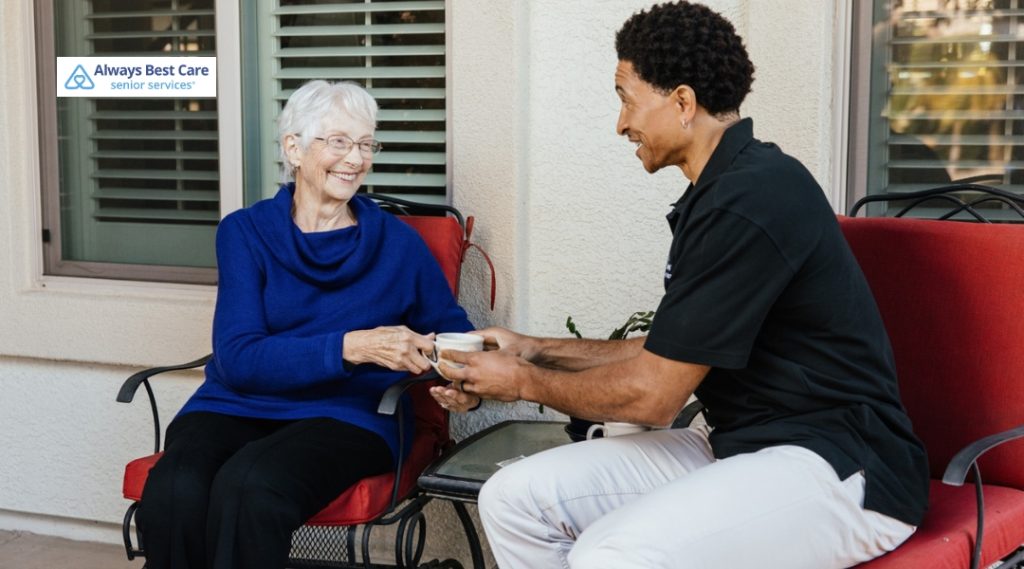
Supporting Healthy Aging in Leland
Stroke prevention is not a single action — it’s a daily commitment to habits that protect the brain and cardiovascular system over time. For seniors in Leland, building those habits is far easier with the right support in place.
At Always Best Care of Leland, our compassionate caregivers help older adults maintain healthy, independent lives at home. From meal preparation and medication reminders to companionship and daily activity support, we’re here to make healthy living manageable and sustainable.
Call Always Best Care of Leland today at 919-554-2223 to schedule a free care consultation and learn how we can help your loved one stay healthy, active, and independent.
Link to the Markdown File version of this article.