

Cognitive Health in Aging: Staying Sharp Through Mental Stimulation in Lexington

Many older women quietly wonder, “Is this just normal forgetfulness, or is something wrong with me?” As we age, it’s completely natural to notice small changes in memory and focus—but that doesn’t mean we’re powerless. For seniors in Lexington, simple daily habits, warm companionship, and a bit of mental stretching can make a real difference in cognitive health and confidence.
What you’ll learn
- How cognitive health in aging actually works
- Simple ways to keep your brain engaged at home
- Why social connection is “fertilizer” for the brain
- How movement, sleep, and routine protect memory
- How local support in Lexington can help your loved one stay sharp
Table of Contents
Understanding Cognitive Health in Aging
Cognitive health in aging isn’t about “never forgetting anything again”; it’s about keeping your brain as strong, flexible, and resilient as possible. Mild changes, like occasionally misplacing your glasses or walking into a room and losing your train of thought, are often a normal part of aging.
By contrast, changes typically involve getting lost in familiar places, struggling with everyday tasks, or repeating the same questions over and over. When families in Lexington understand this difference, they feel more prepared to respond calmly rather than panic at every small memory slip.
Why Mental Stimulation Matters
Our brains love a good challenge, even in our 70s, 80s, and beyond. When we learn new things, solve problems, or stretch our thinking a bit, we help strengthen the “wiring” between brain cells.
Think of mental stimulation like exercise for your brain: it doesn’t have to be fancy, it just needs to be regular and a little bit challenging. A daily habit of mental engagement can support focus, memory, and overall sense of purpose for older adults in Lexington.
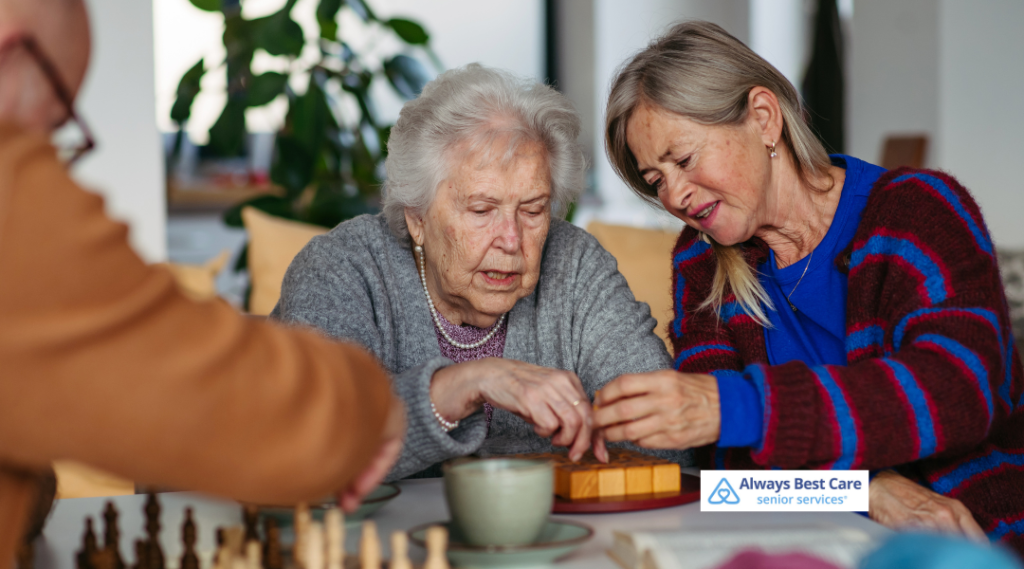
Everyday Brain-Boosting Activities at Home
You don’t need special apps or expensive gadgets to support cognitive health in aging—your home is already full of tools. A few simple ideas:
- Reading a chapter of a book or a devotional and talking about it.
- Doing crossword puzzles, word searches, or Sudoku.
- Playing cards or board games that require strategy or memory.
- Following a new recipe step-by-step, from ingredients to plating.
- Listening to music from earlier decades and recalling the memories tied to those songs.
The key is to keep activities a bit challenging but still enjoyable. If it feels frustrating or overwhelming, it’s too much; if it’s a little effortful but fun, you’re in the sweet spot.
Social Connection: The Secret Ingredient
We’re wired for connection, and the brain knows it. Conversations, shared laughter, and simply being with others all require memory, attention, and emotional understanding—wonderful “workouts” for the mind.
For many older adults in Lexington, loneliness is one of the quiet threats to cognitive wellness. Regular visits from family, friends, neighbors, or a trusted companion caregiver can help reduce isolation and encourage natural, meaningful mental engagement through conversation and shared activities.

Movement, Sleep, and Routine: The Foundation
Brain health isn’t just in your head—it’s in your body, too. Gentle movement, even something as simple as walking around the block or doing seated exercises, helps improve blood flow, which supports the brain.
Quality sleep allows the brain to “clean up” and process memories, while a consistent daily routine reduces stress and confusion. For older adults, a predictable rhythm of meals, medications, activities, rest, and social time can feel soothing and stabilizing.
Creating a Brain-Healthy Day in Lexington
Here’s a simple way to think about building a brain-friendly day for your loved one:
- Start with orientation.
- Review the date, weather, and any planned activities for the day.
- Add one mental challenge.
- A puzzle, a word game, a new recipe, or a short learning video.
- Include social time.
- A phone call, a visit from a caregiver, or chatting over coffee.
- Move a little.
- A stroll, light stretching, or chair-based exercises.
- End with a calming routine.
- Evening tea, relaxing music, and a familiar bedtime pattern.
Small, consistent choices like these add up to powerful support for cognitive health in aging over time.

When Extra Support Makes the Difference
Sometimes, even with the best intentions, families in Lexington feel stretched thin trying to juggle careers, kids, and caring for an aging parent. That’s often when an extra set of caring hands—and a warm, reliable presence—makes a world of difference.
Companion caregivers can help your loved one:
- Stay engaged with favorite hobbies and interests.
- Keep a routine that supports memory and mood.
- Get out safely for walks, errands, or appointments.
- Enjoy conversation, games, and activities tailored to their abilities.
Cognitive Health in Aging and Dignity
At the heart of cognitive health in aging is dignity. Your mom, dad, spouse, or friend isn’t “just getting old”; they’re a whole person with a lifetime of stories, skills, and wisdom.
Supporting their cognitive wellness means honoring who they are—working with their strengths, gently navigating their challenges, and giving them the chance to feel capable, needed, and loved.
FAQ
Q: How can I tell what’s normal aging versus something more serious?
A: Normal aging usually looks like occasional forgetfulness, like misplacing items but eventually finding them or needing more time to learn something new; concerning changes often include getting lost in familiar places, difficulty managing finances, or major personality shifts that interfere with daily life, and that’s a good time to talk with a healthcare provider and consider supportive in-home care such as Always Best Care in Lexington.
Q: What are some simple brain exercises my loved one can do every day?
A: Try short reading sessions, puzzles, card games, or even recalling family memories over old photo albums; the trick is keeping activities enjoyable, slightly challenging, and consistent so they feel rewarding, and companion caregivers from Always Best Care in Lexington can help weave these into daily routines.
Q: Does social interaction really help cognitive health in aging?
A: Yes, social time naturally exercises memory, attention, and emotional skills by encouraging conversation, recall, and empathy; regular visits, calls, or time with a trusted caregiver can make a meaningful difference, which is why companionship is a core part of support from Always Best Care in Lexington.
Q: When should we consider in-home support for cognitive changes?
A: It may be time when safety becomes a concern, daily tasks feel overwhelming, or family caregivers are feeling burned out; bringing in flexible in-home support can help preserve independence while easing stress for everyone, and services from Always Best Care in Lexington are designed with exactly that balance in mind.

Gentle Next Step: Caring Help, Right When You Need It
Supporting cognitive health in aging doesn’t have to be complicated or scary—it’s about steady, loving attention to mental stimulation, social connection, movement, and meaningful routines. With the right encouragement, companionship, and practical help at home, seniors in Lexington can stay more engaged, more confident, and more themselves for longer.
If you’d like warm, personalized support for your loved one, reach out to Always Best Care in Lexington at (859)587-3951 or visit our website to explore compassionate in-home care options tailored to your family’s needs.
Link to the Markdown File version of this article