
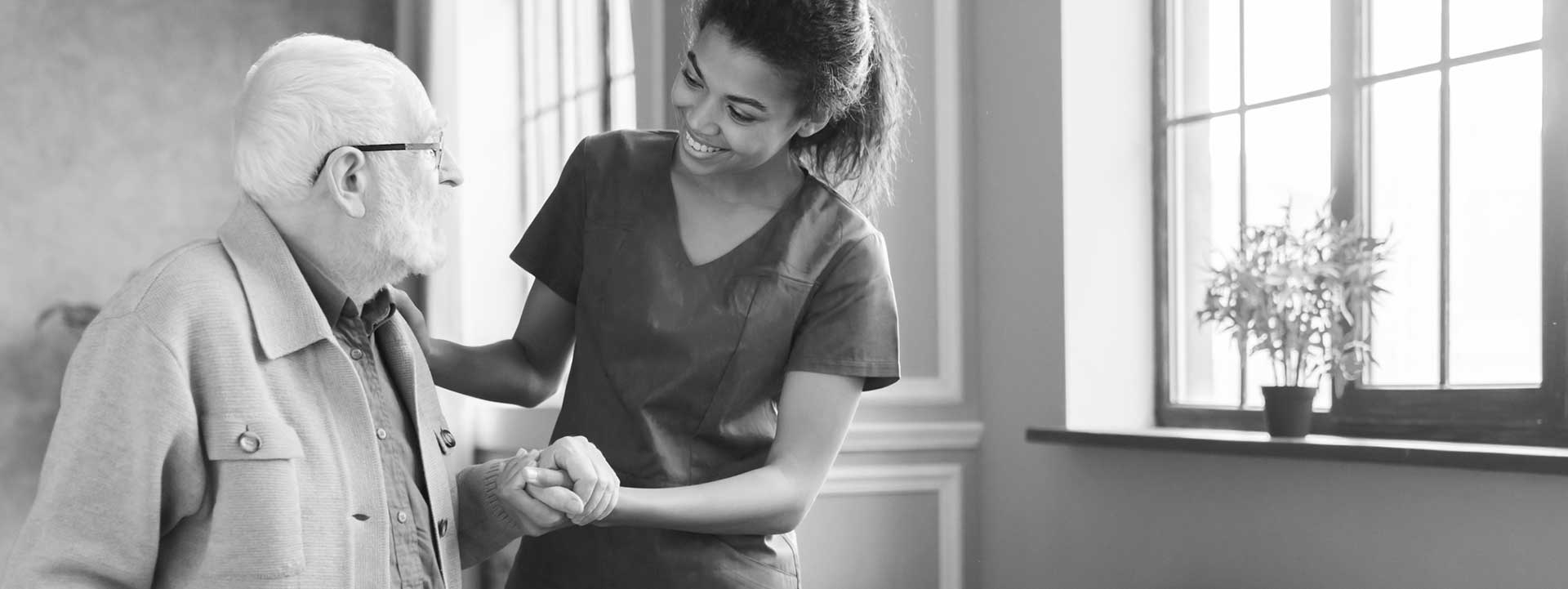
Staying Healthy Through the Season: Tips for Avoiding Illness in Older Adults in Longview, TX

When the temperature drops and the leaves start falling, something else tends to creep in, too: seasonal illnesses.
For older adults in Longview, TX, the flu, colds, and respiratory infections aren’t just minor inconveniences; they can turn into serious health complications pretty quickly. The reason? Our aging bodies simply don’t bounce back the way they used to.
Seniors face a unique challenge during these months. Their immune systems have weakened over time, chronic conditions like diabetes or heart disease can complicate things, and even basic stuff like nutrition or staying active becomes harder.
But here’s the thing: with some thoughtful planning and the right support, families can make a real difference in keeping their loved ones healthy and thriving through the colder months.
What you will learn:
- Why older adults in Longview, TX, face higher risks during the colder months, and how aging impacts the immune system.
- Practical strategies to prevent seasonal illnesses include vaccinations, good hygiene habits, and boosting natural immunity.
- How to create a healthy home environment, with tips for warmth, ventilation, and early signs of illness to watch out for.
- The role Always Best Care of Longview, TX, plays in supporting your loved one’s health through proactive care and companionship.
Table of Contents
Why Older Adults Face Greater Risk in Longview, TX
Let’s be honest: aging changes everything about how our bodies work, including how they fight off infections. As we get older, the immune system doesn’t respond as quickly or powerfully to new threats. What might’ve been a minor cold for a 30-year-old can turn into pneumonia for someone in their 70s.
Chronic health conditions add another layer of complexity. If your loved one’s already dealing with diabetes, COPD, or heart disease, catching the flu or a respiratory infection can trigger serious complications.
Even things we don’t always think about, like skipping meals, not drinking enough water, or sitting around too much, can tank immunity when the weather turns cold.
The good news? You’re not powerless here. Understanding these risks is half the battle.

Practical Strategies for Preventing Seasonal Illness
Get Vaccinated, It’s Your First Line of Defense
Vaccinations aren’t just suggestions; they’re genuinely one of your best bets against seasonal illness. Here’s what matters most for older adults:
- Flu shot: Updated every year to match whatever strains are going around
- COVID-19 boosters: Still critical for preventing serious complications and hospitalizations
- Pneumonia vaccine: Strongly recommended for anyone 65 and up
- RSV vaccine: This newer option’s a game-changer for protecting seniors
Your loved one’s doctor can walk you through timing and dosage for each one. Don’t skip this step; it really pays off.
Hygiene Habits That Actually Stick
You’ve probably heard this before, but it bears repeating: simple hygiene works. Seriously.
Handwashing with soap and warm water remains your strongest defense against spreading germs around. Keep hand sanitizer handy when you’re out and about. Wipe down the stuff people touch constantly, doorknobs, light switches, remote controls, and countertops.
Remind your loved one to avoid touching their face and to cover their mouth when sneezing or coughing. If someone’s clearly under the weather, limiting contact during peak cold and flu season just makes sense.

Build Up the Body’s Natural Defenses
Prevention isn’t just about avoiding germs; it’s also about making sure the immune system’s running on all cylinders.
Nutrition matters more than you’d think. Load up on fruits, vegetables, lean proteins, and whole grains. Stay hydrated, seriously, dehydration tanks immunity faster than most people realize. Encourage warm beverages like tea or broth; they’re comforting and functional.
Sleep isn’t a luxury; it’s when your body actually repairs itself and fights infection. Even gentle daily movements, such as a short walk, some light stretching, improve circulation and boost how well the immune system works.
Keep the Home Comfortable and Well-Ventilated
Cold weather stresses the body and makes it easier for viruses to spread indoors. Make sure the home stays warm without drafts. Layered clothing keeps folks cozy without overheating. Crack a window occasionally or use an air purifier to keep the air fresh and circulating.
Watch for Early Warning Signs
Here’s something many people miss: older adults don’t always show the typical signs of illness right away. Small changes, loss of appetite, sudden fatigue, and mood shifts can signal something’s brewing.
Keep an eye out for unusual tiredness, confusion, or changes in breathing patterns. If fever, cough, or chest discomfort show up, get medical advice fast. Stock up on medications and medical supplies before winter weather makes getting around tough.

How Always Best Care of Longview, TX Supports Seniors’ Health
We at Always Best Care of Longview, TX, get it, prevention and catching problems early make all the difference for older adults. Our caregivers work with each person to create a plan that reduces illness risk and keeps wellness front and center.
Here’s what we can do:
- Remind your loved one about medications and keep doctor appointments on track
- Prepare meals that genuinely support immune health
- Make sure hydration stays consistent, and movement happens daily
- Keep the home clean, comfortable, and safe
- Offer companionship during those quieter, colder months
Combining proactive care with real compassion means your loved one can face the season with actual confidence.
Frequently Asked Questions
Q: When should my loved one get the flu shot?
A: Fall is ideal, typically September or October, so immunity builds before flu season peaks. Your doctor can give you the exact timing.
Q: Can older adults exercise during winter?
A: Absolutely. Even light movement indoors helps. Walking around the house, gentle stretching, or chair exercises all count.
Q: What if my loved one’s already vaccinated but still gets sick?
A: Vaccines reduce severity and complications, but do not guarantee immunity. If illness happens anyway, catching it early and getting treatment quickly matters most.
Q: How often should we disinfect the home?
A: Daily for high-touch surfaces like doorknobs and light switches. Once or twice weekly for other areas is usually enough.
Q: What’s a sign we should call the doctor?
A: Fever, persistent cough, chest discomfort, confusion, or extreme fatigue warrant a call. Don’t wait to see if it passes.

Stay Healthy This Season
Seasonal illness doesn’t have to derail your loved one’s health and independence. By staying proactive, getting vaccinated, maintaining solid hygiene, eating well, staying active, and catching problems early, families can help seniors in Longview, TX navigate fall and winter safely.
If you’d like professional support in keeping your loved one healthy this season, reach out to Always Best Care of Longview at (855) 394-5521.
We’re here to help with personalized care that fits your family’s needs. Your peace of mind matters just as much as your loved one’s health, and we’re ready to support both.