Wound Care at Home: When Is Skilled Nursing Needed in Longview, TX?
A small scrape can be no big deal, but as the years pile on, even a minor wound can turn tricky fast. Healing often slows down with age, and that’s where wound care at home may need a steadier hand.
For families in Longview, TX, knowing the difference between basic care and skilled nursing can save a lot of worry, and maybe a few headaches, too.
What You Will Learn
- Why wounds may heal more slowly and become more complicated for older adults at home.
- Which wound types and warning signs may mean a loved one needs timely medical attention or skilled nursing support.
- How skilled nursing and in-home care can work together to make recovery safer, easier, and more comfortable.
- Simple, caring ways to help prevent pressure injuries and protect your loved one’s skin at home.
Table of Contents
Why Senior Wounds Can Take Longer to Heal
As skin gets thinner and more delicate, it tears more easily and heals more slowly. Add in poor circulation, diabetes, limited movement, or a weak immune system, and a wound can drag on longer than expected.
A few other things can slow recovery, too:
- Not enough protein, vitamins, or fluids
- Pressure from sitting or lying in one spot
- Trouble moving around safely
- Higher risk of infection
What Kind of Wounds May Need Skilled Nursing?
Some wounds are fine with simple home care. Others need a nurse to keep a close eye on them and handle treatment the right way.
A home health nurse may be needed for:
- Surgical cuts that still need watching
- Pressure sores or bedsores
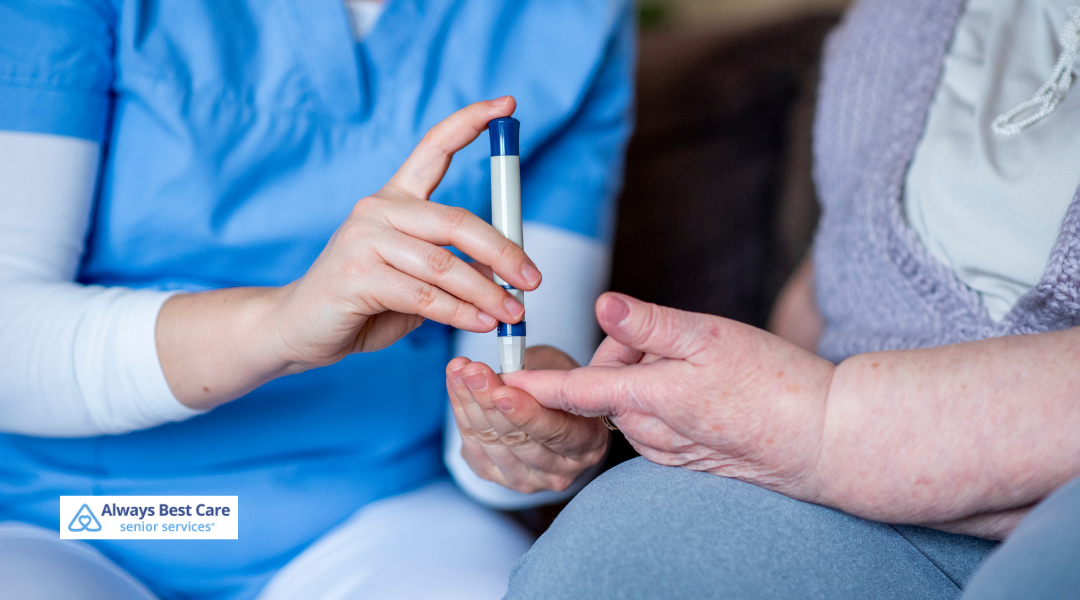
- Diabetic foot wounds
- Wounds linked to poor circulation
- Skin tears that keep reopening
- Burns or deeper injuries
- Long-lasting wounds that aren’t improving
Warning Signs a Wound Needs Medical Attention
A wound that’s heading in the wrong direction usually gives off a few clues. Keep an eye out for:
- Redness that spreads
- Swelling, warmth, or more pain
- Drainage or a bad smell
- A wound that looks worse instead of better
- Fever or chills
- Confusion or a sudden drop in energy
For seniors with diabetes or circulation problems, things can go south quickly, so don’t brush off changes.
How Skilled Nursing Helps With Wound Care at Home
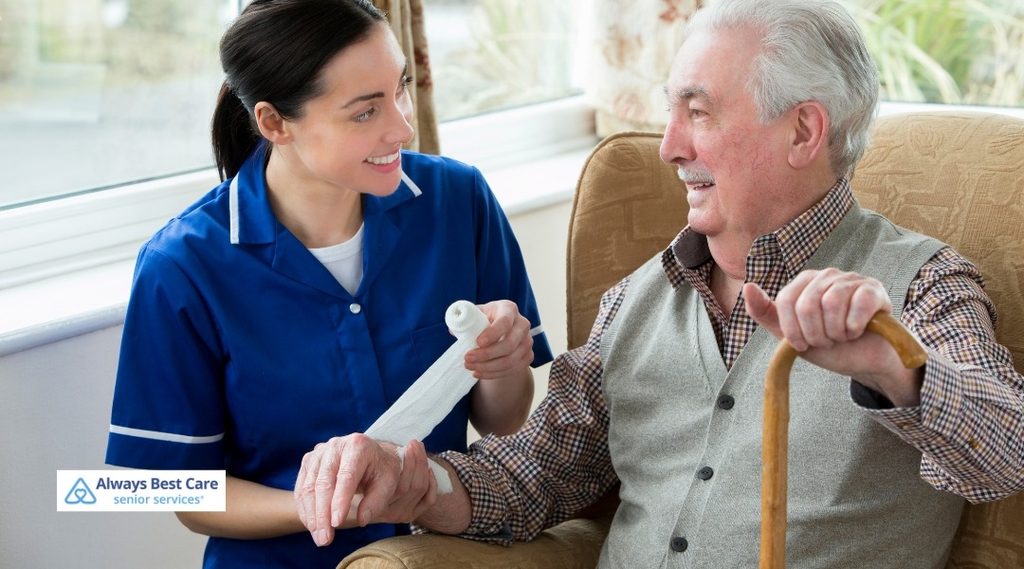
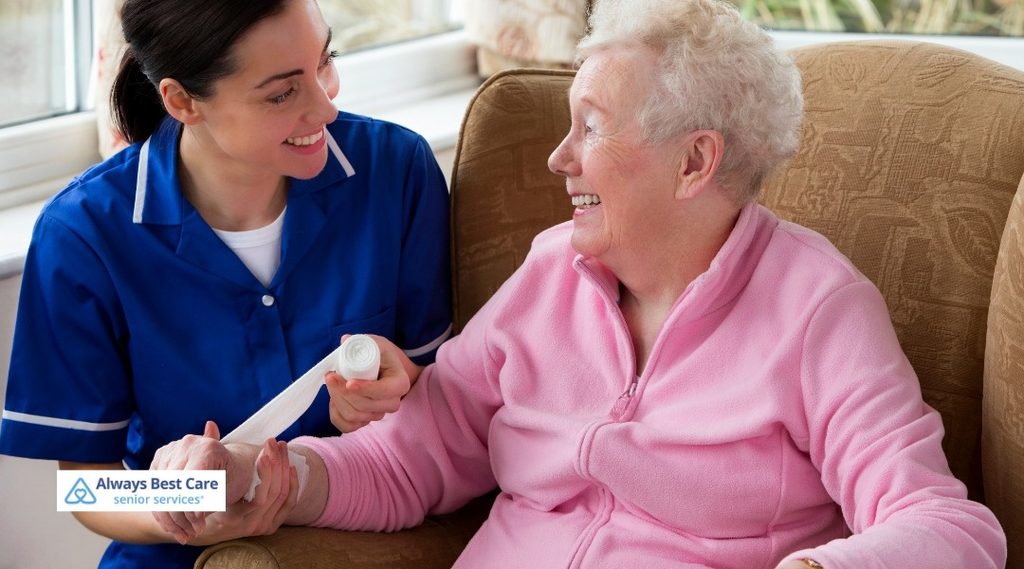
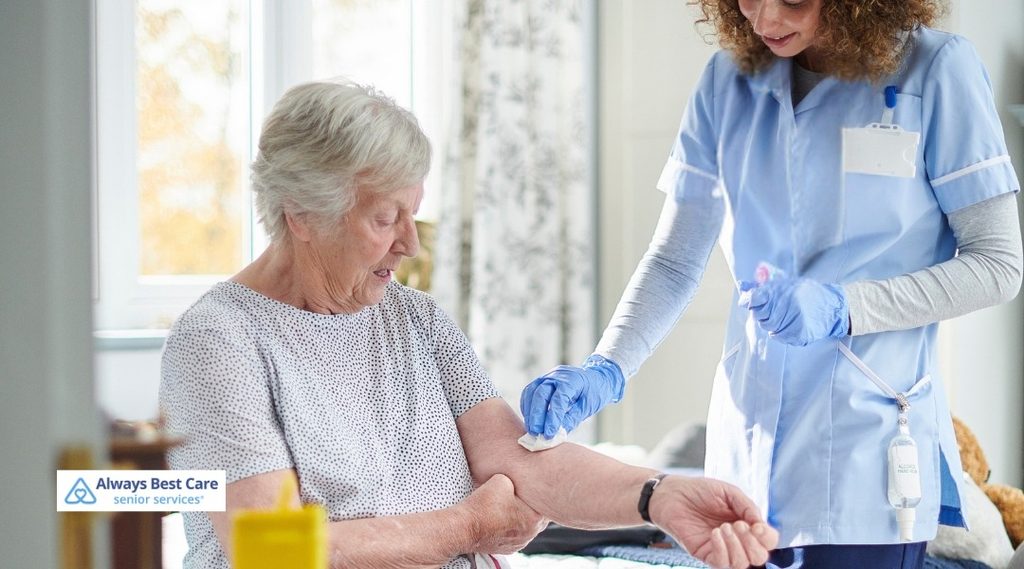
A nurse can bring medical care right to the home and follow the treatment plan from the doctor. That kind of support can take a lot off a family’s plate.
What a Home Health Nurse May Do
A nurse may:
- Check the wound and track healing
- Clean the area carefully
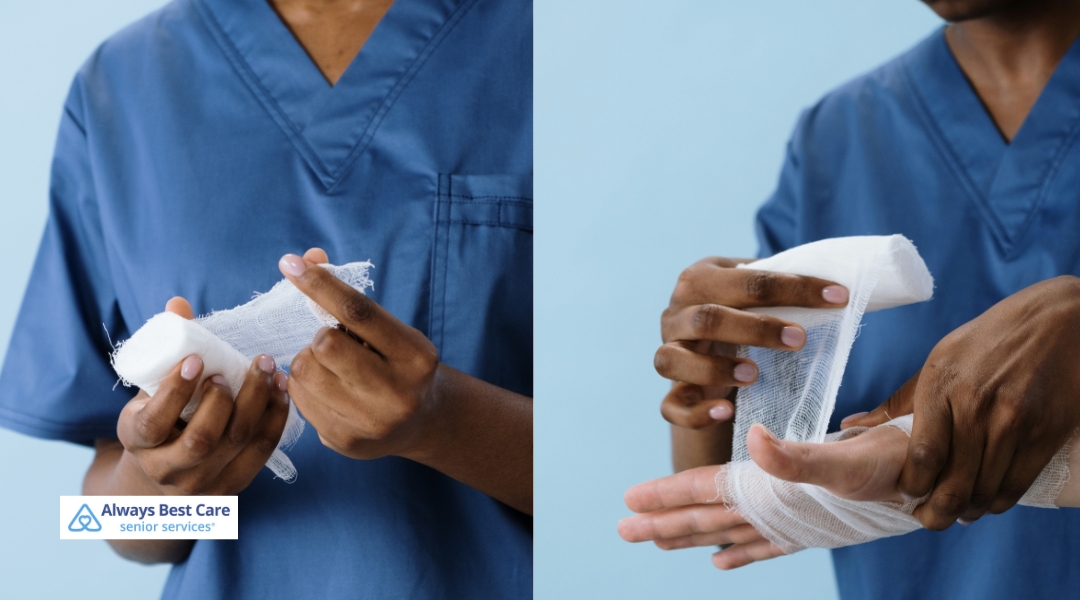
- Change dressings
- Watch for signs of infection
- Teach families how to help between visits
- Share concerns with the care team
That kind of help can be a real comfort after a hospital stay, rehab visit, or surgery.
Preventing Pressure Injuries at Home
Pressure injuries can sneak up on someone who doesn’t move much. A little prevention goes a long way.
Helpful steps include:
- Changing positions often
- Keeping skin clean and dry
- Using cushions or pressure-relief equipment
- Eating enough and drinking plenty of fluids
- Checking the heels, hips, tailbone, and elbows
How In-Home Care Can Work Alongside Skilled Nursing
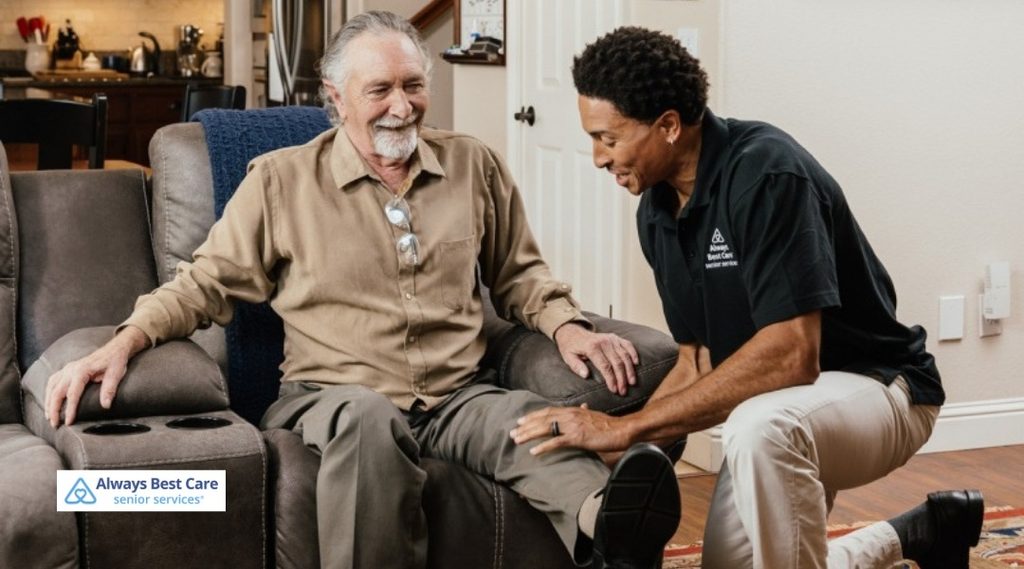
Skilled nursing handles the medical side, while in-home care can help with daily life. That teamwork can make recovery smoother and less stressful.
An in-home caregiver may help with:
- Meals
- Bathing and grooming
- Light housekeeping
- Getting around the house
- Medication reminders
At Always Best Care of Longview, we understand that healing at home can take more than one kind of support. We can help connect care that fits your loved one’s needs and daily routine.
Frequently Asked Questions
Q: How do I know if a wound is serious?
A: If it gets redder, more painful, swollen, smelly, or starts draining, it may need medical attention.
Q: Can a wound heal at home without a nurse?
A: Yes, some small wounds can heal with basic care, but deeper, chronic, or infected wounds often need skilled nursing.
Q: What if my loved one has diabetes?
A: Wounds need closer watching, since diabetes can slow healing and raise the risk of infection.
Q: Does skilled nursing help after surgery?
A: Yes, a nurse can monitor the incision, change dressings, and watch for problems during recovery.
Q: Can home care and skilled nursing be used together?
A: Yes, they often work well side by side to support both healing and daily needs.
Healing at Home, With a Little More Peace of Mind
Good wound care can make a big difference in recovery, especially for older adults. If a wound looks stubborn, gets worse, or seems risky, skilled nursing may be the safer path.
If your family needs help after a surgery, illness, hospital stay, or challenging wound, reach out to Always Best Care of Longview at (855) 694-6573. Our compassionate team is here to talk through your loved one’s needs and help you explore in-home support options that can make recovery feel smoother and less stressful.
Link to the Markdown File version of the article