Protecting Seniors from Scams in New Bern, NC: A Caregiver’s Guide
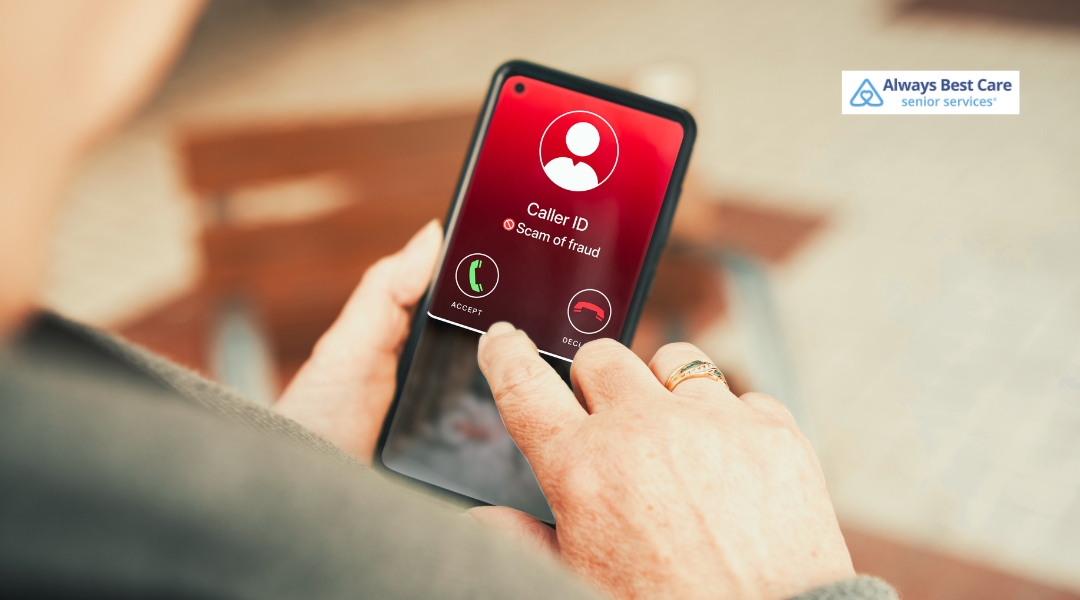
Senior scams aren’t just annoying phone calls or odd emails anymore—they’re slick, convincing, and, frankly, scary. In New Bern and across the country, older adults are often seen as “easy targets,” and scammers are more than happy to take advantage of that perception.
That said, we’re not powerless. With some practical know‑how, a bit of skepticism, and steady support from family and trusted helpers like us at Always Best Care of New Bern, your loved one can stay one step ahead of those bad actors.
What You Will Learn:
- Why seniors are commonly targeted by scammers.
- The most common scams affecting older adults today.
- Key warning signs of fraud and exploitation.
- Practical steps families can take to prevent scams.
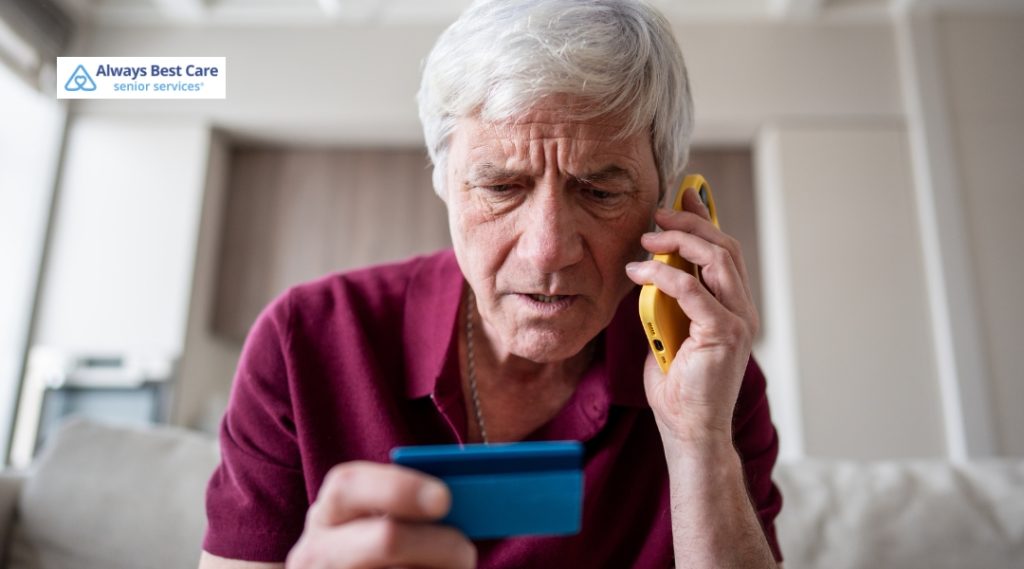
Table of Contents
Why Seniors Are in the Crosshairs
Scammers tend to zero in on older adults because it can feel like shooting fish in a barrel to them. They know many seniors:
- Are naturally polite and trusting, even with strangers
- Have savings, retirement funds, or steady income
- May live alone or have less day‑to‑day social contact
- Aren’t as familiar with digital tricks, like fake websites or spoofed phone numbers
Put all that together, and crooks see an opportunity to build fake trust, spin a convincing story, and then push for money or personal information.

Common Types of Scams Affecting Seniors
Scammers are creative—sometimes disturbingly so. Still, many senior scams follow a few familiar playbooks.
Phone Scams
A caller might pretend to be:
- A government agency
- A utility company
- A bank
- Or even a grandchild “in trouble”
They crank up the pressure, claim there’s a crisis, and insist your loved one has to act right now—usually by paying or giving up sensitive information.

Email and Phishing Scams
Here’s where things get techy. Messages may look like they’re from:
- A bank
- Medicare or a clinic
- A well‑known store or delivery service
They often include a link that goes straight to a fake site designed to grab passwords, Social Security numbers, or account details. One wrong click, and the door’s wide open.
Sweepstakes and Lottery Scams
The pitch sounds like a dream:
“You’ve won a huge prize! You just need to pay fees or taxes to claim it!”
Except there is no prize. The only thing that’s real is the money your loved one is being pushed to send.
Romance Scams
Scammers may spend weeks—or months—building an online relationship. Once there’s trust and emotional attachment, the story starts:
- “I’m stuck overseas.”
- “I need help with a medical bill.”
- “My account’s frozen.”
Money requests follow, often in increasing amounts.
Tech Support Scams
You’ve probably seen those pop‑ups:
“Warning! Your computer is infected!”
Or your loved one might receive a call from someone claiming to be “tech support.” They:
- Ask for remote access to the computer
- Push for payment to “fix” a problem that doesn’t exist
Once they’re in, they can grab personal data or install harmful software.
Warning Signs of Senior Scams
Most scams share some telltale red flags. If you spot these, it’s time to hit the brakes.
Common Red Flags
Watch for:
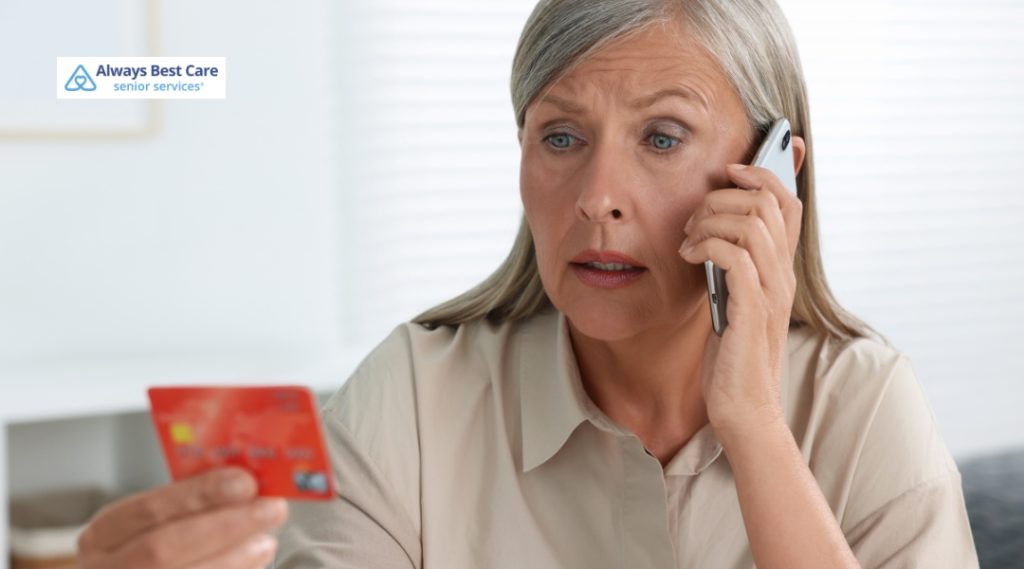
- Demands for immediate payment or “urgent” decisions
- Requests to pay with gift cards, wire transfers, or cryptocurrency
- Unsolicited calls, emails, or texts asking for personal or banking details
- Messages that stir up fear, panic, or guilt to force quick action
- Instructions to keep the transaction secret from family or friends
If your loved one feels rushed, threatened, or pushed to keep quiet, that’s a huge sign something isn’t right.

How Families in New Bern Can Help Protect Loved Ones
We don’t have to sit on our hands and hope for the best. A few consistent habits can make scams much less likely to succeed.
Practical Steps for Families
- Talk openly about scams. Share real‑world examples and news stories.
- Agree on a “pause and check” rule. No big payments or sharing personal info without checking with a trusted person first.
- Watch financial accounts. Look for unusual withdrawals or new accounts.
- Set up protections. Use call‑blocking, voicemail screening, and spam filters.
- Encourage questions. Make it crystal clear your loved one won’t be judged for asking, “Does this sound right to you?”
The goal is to create a safe space where your loved one doesn’t feel silly for being cautious.
The Role of In‑Home Care in Scam Prevention
Consistent in‑home support can do more than help with daily tasks—it can also act as an extra barrier against scammers.
At Always Best Care of New Bern, we see and hear a lot in the course of a regular day with clients. That puts us in a good position to notice when something seems off.
How We Help Watch for Senior Scams
We can:
- Screen calls and unexpected visitors, so someone doesn’t get pressured on the spot
- Spot changes in mood or money worries, which can be signs of ongoing exploitation
- Offer companionship, which helps ease loneliness—a big risk factor for romance and phone scams
- Encourage regular check‑ins with family, especially before big financial decisions
By staying present and observant, we help create a safer, more connected environment at home.

What to Do If You Suspect a Scam
If you think a loved one has been targeted—or already taken in—don’t shrug it off. Quick action can keep a bad situation from getting worse.
Steps to Take
- Contact the bank or credit card company right away. Ask about freezing the account, disputing charges, and adding extra security.
- Report the scam to local law enforcement and, when appropriate, adult protective services.
- Keep a close eye on accounts for additional suspicious activity.
- Offer calm, steady support. Many seniors feel ashamed or embarrassed, and that shame can keep them quiet. A kind, non‑judgmental response makes it easier for them to tell the full story.
The sooner the incident is reported, the better the chance of limiting damage.
FAQs About Senior Scams in New Bern
Q: How can I talk to my loved one about senior scams without scaring them?
A: Start by framing it as “something that’s happening to a lot of people,” not something they’ve done wrong. Share a news story or example, then ask, “Has anything like this ever happened to you?” Keep the tone calm and conversational.
Q: What’s the safest rule for unexpected calls asking for money or information?
A: A simple guideline is: Hang up and call back using a trusted number. For example, if “the bank” calls, your loved one should hang up and dial the number on their card or statement instead of the number that called.
Q: Are online scams really that common for seniors?
A: Yes. As more services move online, scammers are targeting older adults with fake websites, emails, and text messages that look legitimate. Even someone who uses the internet only occasionally can be at risk.
Q: How can Always Best Care of New Bern support scam prevention?
A: We can help by screening calls, noticing unusual behavior, encouraging open communication with family, and spotting patterns that might suggest someone is being pressured or misled.
Q: What’s one “golden rule” my loved one can follow to stay safer?
A: If anyone asks for payment by gift card, wire transfer, or cryptocurrency, it’s almost certainly a scam. Tell your loved one: “If they want gift cards, hang up.”

Help Your Loved One Stay Safe, Supported, and Protected
Senior scams are getting more polished, but they’re not unstoppable. With awareness, regular conversations, and practical safeguards, families in New Bern can dramatically lower the chances that a loved one gets caught up in a costly scheme.
At Always Best Care of New Bern, we’re here to walk alongside you—keeping an eye out for warning signs, offering companionship, and supporting safer choices every day at home. If you feel your loved one could use extra support and another set of watchful eyes, reach out to us to schedule a care consultation and learn how we can help protect their safety, independence, and peace of mind. Always Best Care of New Bern at (252) 669-0023 to learn more and schedule your free consultation.
Link to the markdown version of this blog.