Hydration and Healthy Aging: What New Bern, NC Seniors Should Know
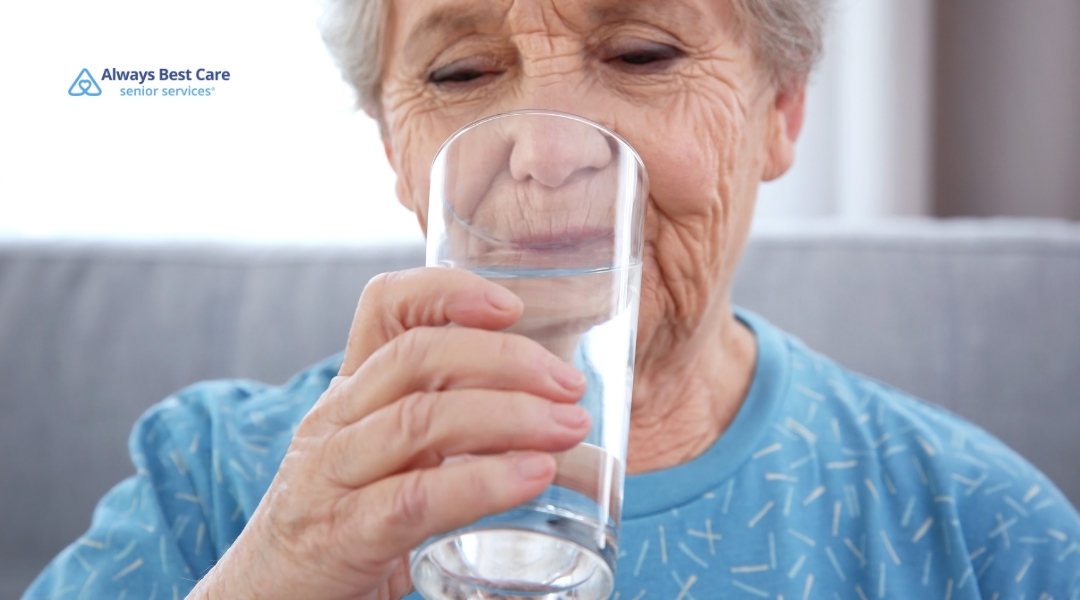
As the years roll on, the body doesn’t always send the same signals it used to. One big example? Thirst can fade, and that can leave seniors going longer than they should without a drink. For families and caregivers, that’s a real concern because hydration plays a huge role in comfort, energy, and overall well-being.
Table of Contents
What Readers Will Learn
- Why thirst may become a less reliable signal as people age.
- Common signs that may suggest an older adult needs more fluids.
- Easy hydration habits families can build into a senior’s daily routine.
- How water-rich foods, caregiver reminders, and regular observation can support senior well-being at home.
Why Thirst Can Fade With Age
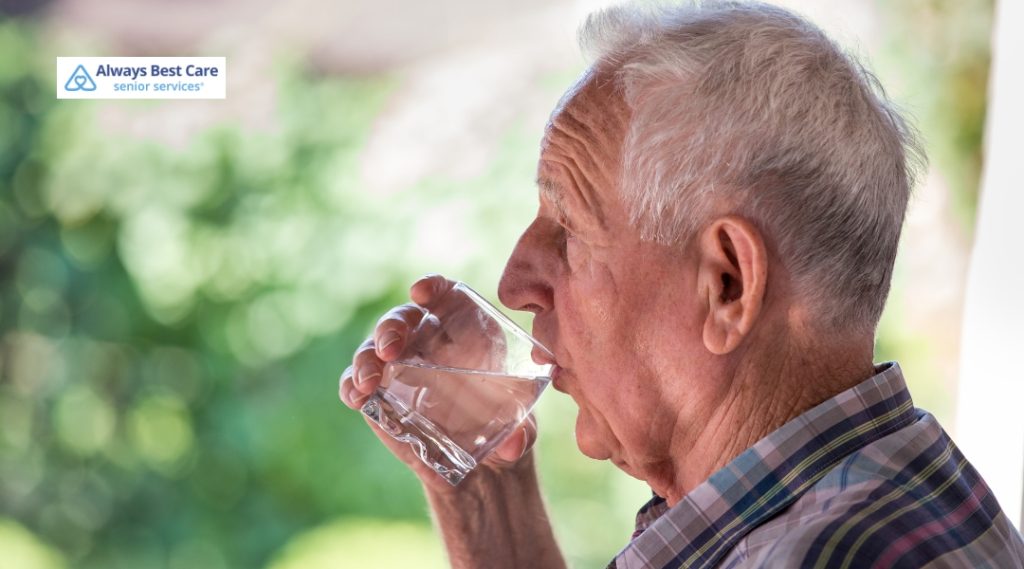
The body’s thirst cues may get weaker over time, so older adults might not feel the need to drink even when they need fluids. On top of that, a few everyday factors can make it easier to fall behind on hydration:
- Medications that reduce fluid levels
- Kidney changes that come with age
- Health conditions that affect appetite or fluid balance
- Mobility issues that make it harder to get a drink
- Bathroom worries that cause people to cut back on fluids
All of that can sneak up slowly, and before long, drinking less becomes a habit.

Why Hydration Is So Important
Water does a lot behind the scenes. It helps the body stay cool, supports digestion, keeps blood moving well, and helps the brain stay sharp. In other words, if fluids run low, plenty of things can start to wobble.
The Risks of Dehydration
Even mild dehydration can throw off a senior’s day. It may lead to:
- Fatigue
- Dizziness
- Headaches
- Constipation
- Confusion
- Low blood pressure
- A higher fall risk
- Urinary tract infections
And if it gets bad enough, dehydration can land someone in the hospital. Not exactly a small thing.

Warning Signs Families Should Watch for in New Bern
Because seniors may not notice the problem right away, family members and caregivers need to keep an eye out for clues. Watch for:
- Dry mouth or cracked lips
- Dark urine or fewer bathroom trips
- Dry skin
- Weakness
- Unusual tiredness
- Dizziness when standing
- Confusion or forgetfulness
- Loss of appetite
If these signs show up suddenly, it’s smart to contact a healthcare provider.

Easy Ways to Make Staying Hydrated Part of the Day
Good hydration doesn’t have to be a chore. A few small habits can make a big difference:
- Drink a glass of water with each meal.
- Keep a water bottle nearby.
- Set phone reminders or timed prompts.
- Sip fluids little by little all day.
- Drink before going outside or being active.
Tiny steps? Sure. But they add up fast.
Fluids Come From More Than Water
Water is the star of the show, but it’s not the only player. Many foods and drinks also help with fluid intake:
- Watermelon
- Cucumbers
- Strawberries
- Oranges
- Lettuce
- Broth-based soups
- Low-fat milk
- Herbal tea
- Yogurt
Mixing these into meals can help seniors get more fluids without forcing another glass of plain water.

How Caregivers Can Help
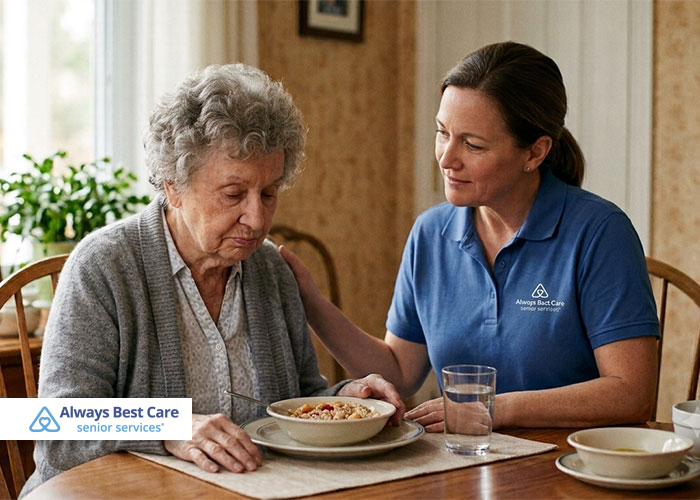
For seniors living alone or dealing with health challenges, keeping up with fluids can be tough. That’s where caregivers can step in and make life easier.
Caregivers can help us by:
- Offering drinks throughout the day
- Preparing meals with watery foods
- Noticing early signs of dehydration
- Encouraging extra fluids during warm weather
- Sharing concerns with family members or healthcare providers
A little reminder here and there can go a long way.

How Always Best Care of New Bern Supports Healthy Habits
At Always Best Care of New Bern, we understand that healthy aging starts with the basics, and hydration is one of them. We help support daily routines that make it easier for seniors to eat well, drink regularly, and stay comfortable at home.
We’re there to help with meal support, friendly reminders to drink, observation for changes in health, and companionship that makes daily life feel a little brighter.
FAQ
Q: Why don’t seniors always feel thirsty?
A: As people age, the body may not detect thirst as quickly, so seniors may not feel the urge to drink even when they need fluids.
Q: What is one of the first signs of dehydration in older adults?
A: Dry mouth, dark urine, dizziness, or unusual tiredness can all be early warning signs.
Q: Can food help with hydration?
A: Yes. Foods like watermelon, cucumbers, oranges, and soup can all add to daily fluid intake.
Q: How can caregivers encourage more drinking?
A: They can offer fluids often, keep drinks within reach, and build drinking into daily routines.

Help Your Loved One Stay Hydrated at Home
Thirst doesn’t always keep up with age, but that doesn’t mean seniors have to struggle with dehydration. With simple daily habits, a few good food choices, and steady support from family or caregivers, staying hydrated can become second nature. If your loved one needs help at home, Always Best Care of New Bern is ready to lend a hand. Always Best Care of New Bern at (252) 669-0023 to learn more and schedule your free consultation.
Link to markdown version of this blog.