

Blood Sugar Warning Signs in Older Adults That Families Should Never Ignore in New Bern, NC
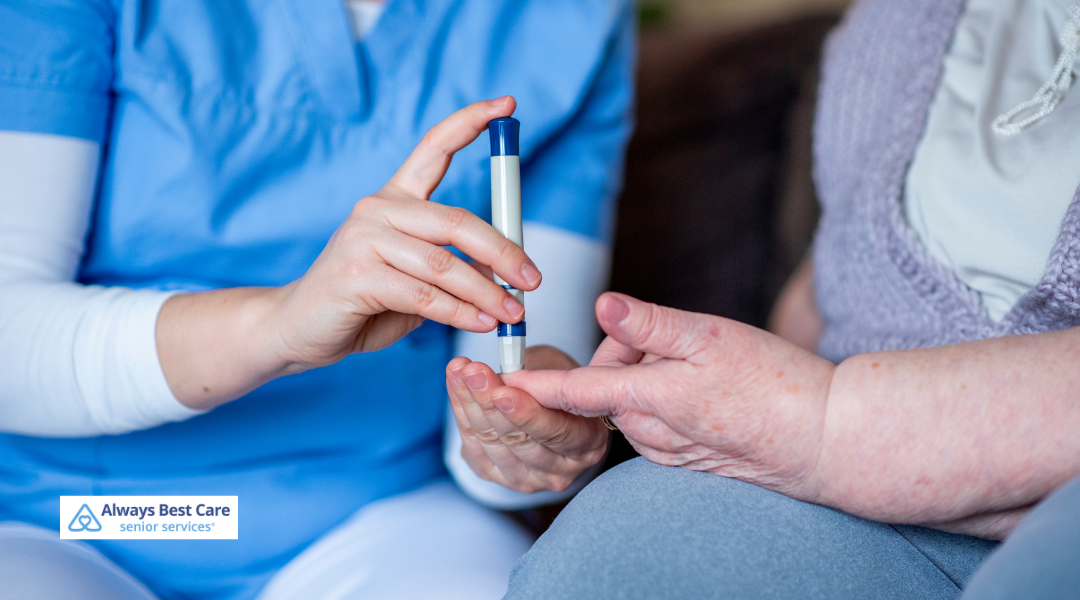
Blood sugar changes can sneak up on older adults, even on those who’ve done a great job managing diabetes for years. A bout of illness, a new pill, a smaller appetite, or a quieter lifestyle can throw glucose levels off balance almost overnight. For families in New Bern, spotting these shifts early can mean the difference between a small hiccup and a serious emergency.
At Always Best Care of New Bern, we know diabetes isn’t just about numbers on a screen—it’s about daily habits, comfort, and independence. By staying alert to warning signs and keeping routines steady, we can work together to keep our loved ones safer and more confident.
Table of Contents
What You Will Learn
- Why blood sugar can become harder to manage as older adults experience changes in kidney function, appetite, medications, mobility, memory, activity level, illness, and daily routine.
- Common warning signs of low blood sugar, including shaking, sweating, dizziness, weakness, hunger, headache, irritability, confusion, trouble focusing, and changes in coordination or balance.
- Common signs of high blood sugar, such as increased thirst, frequent urination, blurred vision, fatigue, unexplained weight loss, and slow-healing cuts or scrapes.

Why Blood Sugar Gets Trickier with Age
As people grow older, life rarely stays simple. Health issues tend to pile up, and new medications join the mix. All of this can influence how the body uses sugar.
A few common changes that affect blood sugar:
- Less reliable kidney function
- Shifts in appetite and taste
- Slower movement and reduced activity
- Memory trouble and forgetfulness
- New daily routines or loss of structure
A cold or stomach bug can prompt a senior to eat less than usual. Memory changes can mean skipped meals or missed medications. Sitting more and moving less can push blood sugar higher. That’s why steady monitoring and regular conversations with doctors matter so much.

Recognizing Low Blood Sugar in Older Adults
Spot Low Blood Sugar Warning Signs
Low blood sugar (hypoglycemia) happens when glucose drops below a safe range. It often links to diabetes medications, eating too little, skipping meals, or sudden bursts of activity.
Common signs of low blood sugar include:
- Shaking or sweating
- Dizziness or weakness
- Strong hunger
- Headache
- Irritability or nervousness
- Trouble focusing
- Confusion
- Changes in balance or coordination
In older adults, these symptoms can look like “just aging.” But sudden confusion, strange behavior, or unexpected weakness shouldn’t be brushed off. Severe low blood sugar can lead to seizures or loss of consciousness and needs urgent medical care.

Recognizing High Blood Sugar in Older Adults
Watch for High Blood Sugar Symptoms
High blood sugar (hyperglycemia) usually creeps in slowly, so it’s easy to miss. Because it doesn’t always feel dramatic at first, families might not realize anything’s wrong.
Signs of high blood sugar can include:
- Feeling unusually thirsty
- Needing to use the bathroom more often
- Blurry vision
- Feeling tired or weak
- Frequent headaches
- Unexplained weight loss
- Cuts or scrapes that heal slowly
Over time, high blood sugar can harm the eyes, kidneys, nerves, heart, and blood vessels. Extremely high levels can trigger sudden, serious problems, such as major confusion, severe weakness, trouble breathing, or passing out. Those situations call for emergency help right away.

Notice Changes from the Senior’s Usual Routine
Families don’t need medical degrees to be helpful. Often, the best clue is knowing what “normal” looks like for a loved one.
You might notice:
- A usually cheerful mom is suddenly exhausted day after day
- A dad who rarely reaches for water now carries a drink everywhere and uses the bathroom constantly
- A loved one who’s usually sharp and steady becomes confused or unsteady almost out of the blue
Instead of chalking these changes up to “just getting older,” it’s smart to ask questions, check blood sugar, and call the doctor if something feels off.
Good questions to ask the healthcare provider:
- What blood sugar range is safe for my loved one?
- How often should we check their glucose?
- Which symptoms mean we should call the office?
- What signs count as an emergency?

Consistent Habits Make Diabetes Easier to Handle
Routines may sound boring, but they’re a powerful tool for keeping blood sugar steady and supporting overall health.
Helpful daily habits often include:
- Eating meals and snacks around the same time each day
- Taking medications exactly as prescribed
- Checking blood sugar as often as the doctor recommends
- Drinking enough water
- Staying safely active, even with gentle movement
- Attending regular medical appointments
It’s also important for families to share a full list of medications and supplements with healthcare providers. When treatments change, diabetes care often needs a tune-up as well.
When Memory or Mobility Problems Complicate Diabetes Care in New Bern
Managing diabetes means remembering a lot of moving parts: medications, meals, blood sugar checks, appointments, and more. For seniors in New Bern who face memory changes, keeping track of all that can feel like spinning plates.
Physical challenges add another layer:
- Arthritis can make opening bottles or handling test strips hard
- Vision changes can make reading labels and meters tricky
- Tremors or weakness can complicate cooking and testing
- Trouble walking or standing can turn meal prep and appointments into a real chore
When these challenges pile up, a little extra help at home can go a long way toward keeping blood sugar safer and daily life smoother.

How Always Best Care of New Bern Supports Blood Sugar Safety
Living with diabetes reaches far beyond the glucose meter. It touches every corner of daily life—meals, movement, sleep, medications, and checkups. That’s where we at Always Best Care of New Bern come in.
We can help by:
- Preparing balanced, diabetes-friendly meals and snacks
- Offering gentle reminders about medications and blood sugar checks
- Encouraging drinking enough water and staying safely active
- Providing rides to medical appointments in New Bern and nearby areas
- Noticing changes in mood, energy, or behavior and sharing them with families and healthcare providers
For seniors who qualify for home health services, licensed healthcare professionals can add medical support that follows the doctor’s care plan, creating a stronger safety net around blood sugar management.
Helping Your Loved One Stay Safe with Diabetes in New Bern
Blood sugar can swing quickly, and older adults might not always feel or recognize early warning signs. By staying involved in daily routines, paying attention to small changes, and knowing when to seek help, families can make a meaningful difference in safety and independence.
If a loved one in New Bern is living with diabetes and needs more support at home, we at Always Best Care of New Bern are here to help. Families can contact us at (xxx) xxx-xxxx for a care consultation and learn how we support safer routines, more confidence, and a better quality of life.
FAQ About Blood Sugar Changes in Older Adults
Q: Are blood sugar changes normal as seniors get older?
A: Blood sugar changes become more common with age because of shifting health conditions, new medications, changes in appetite, and reduced activity. “Normal,” though, doesn’t always mean “safe,” so it’s important to keep an eye on patterns and talk with doctors about concerns.
Q: How often should we check an older adult’s blood sugar?
A: The right schedule depends on the person’s diabetes plan, medications, and overall health. A healthcare provider can recommend how many checks per day or week make sense and when extra checks are needed—for example, during illness or after major routine changes.
Q: What’s the difference between low and high blood sugar symptoms?
A: Low blood sugar often shows up as shaking, sweating, hunger, confusion, or sudden weakness. High blood sugar tends to cause increased thirst, frequent urination, blurred vision, fatigue, and slow-healing cuts. Any extreme symptoms or sudden changes should be treated as a warning sign.
Q: How can families in New Bern help loved ones keep blood sugar steadier?
A: Families can support steady blood sugar by helping with consistent meal times, medication reminders, regular glucose checks, safe movement, and doctor visits. Watching for unusual tiredness, confusion, or behavior changes also plays a key role in catching problems early.
Q: How does Always Best Care of New Bern support seniors with diabetes?
A: We assist with meal preparation, medication reminders, hydration, safe activity, and transportation to appointments. We also pay attention to day-to-day changes and communicate with families and healthcare providers, helping create a supportive environment for better blood sugar control.

Support Safer Diabetes Routines at Home
Blood sugar can shift quickly, and older adults may not always notice or be able to communicate early warning signs. By learning what is normal for your loved one, paying attention to meaningful changes, and following the healthcare team’s individualized diabetes instructions, your family can help create safer, steadier days at home.
Always Best Care of New Bern at (252) 669-0023 to learn more and schedule your free consultation.
Link to the markdown version of this blog.